Vietnamese rice cakes are one of the most enjoyable ways to explore the country’s food culture beyond phở and bánh mì. Made from rice flour, glutinous rice or freshly ground rice batter, these traditional foods can be steamed, boiled, wrapped in leaves, cooked in molds or served with herbs and dipping sauces.
For international travelers, the appeal lies in the variety. A delicate bánh bèo in Huế feels completely different from crispy bánh khọt in Vũng Tàu, while bánh chưng and bánh tét reveal how closely Vietnamese food is connected to family traditions and regional identity.
If you want to understand Vietnam through food, these 12 traditional Vietnamese rice cakes are excellent places to start.
What Are Vietnamese Rice Cakes?
The English term “rice cake” covers many different Vietnamese dishes. In Vietnam, the word bánh can describe cakes, dumplings, pancakes, rolls and other foods, so not every bánh is sweet or even cake-like in the Western sense.
Some are made with ordinary rice flour and have a soft, silky texture. Others use glutinous rice, making them chewy, sticky and much more filling.
Depending on the dish, Vietnamese rice cakes can be breakfast, street food, dessert, festival food or part of a larger meal.
12 Traditional Vietnamese Rice Cakes Worth Trying
1. Bánh Chưng – Vietnam’s Iconic Square Tết Cake
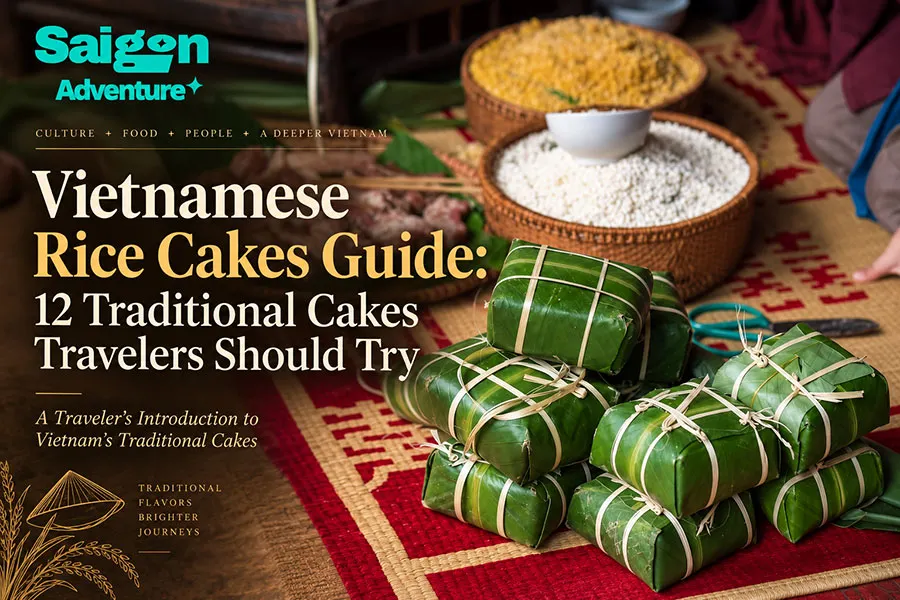
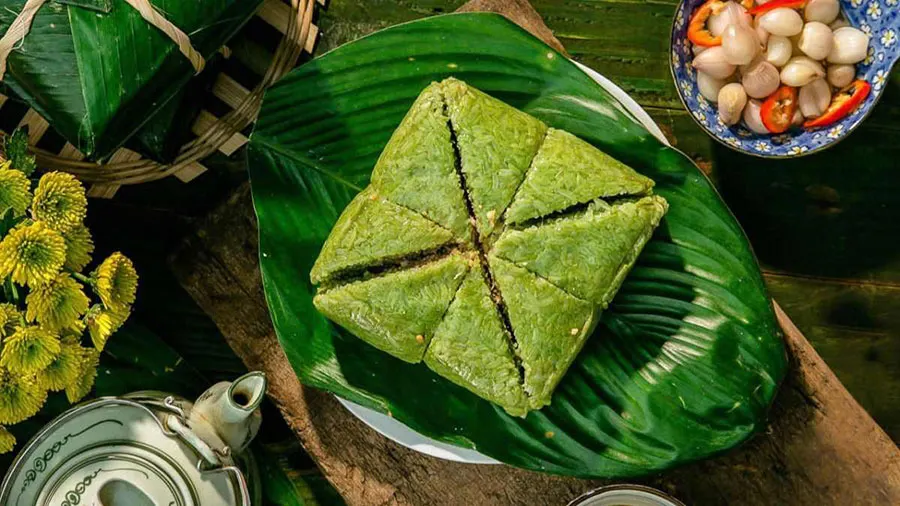
Bánh chưng is one of Vietnam’s most culturally significant traditional cakes. Strongly associated with northern Vietnam and Lunar New Year, it is made from glutinous rice wrapped around mung bean and pork.
The ingredients are packed into a square shape, wrapped in leaves and cooked for many hours. The finished cake is dense, savory and filling, with the richness of pork balancing the mild rice and mung bean.
Travelers visiting Vietnam around Tết will see bánh chưng much more frequently in markets, family homes and specialty shops.
Local tip: Start with a small slice. Glutinous rice is much more filling than it looks.
2. Bánh Tét – The Southern Tết Favorite
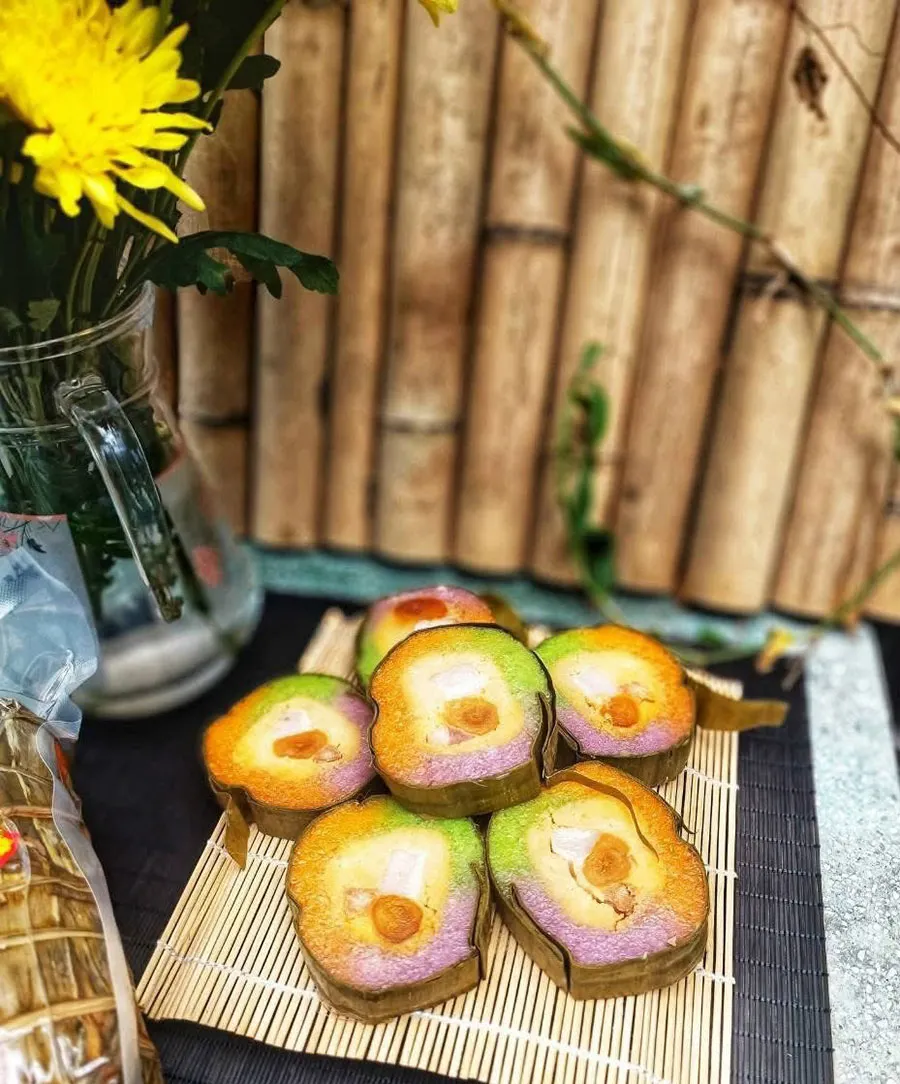
Bánh tét plays a similar role in central and southern Vietnam, but its shape is cylindrical instead of square.
Savory versions commonly contain pork and mung bean, while sweet variations may include banana or beans. Once sliced, the cake reveals its ingredients in colorful round layers.
Trying bánh chưng in the north and bánh tét in the south is a simple but meaningful way to experience regional differences in Vietnamese holiday food.
3. Bánh Bèo – Small Steamed Rice Cakes from Huế
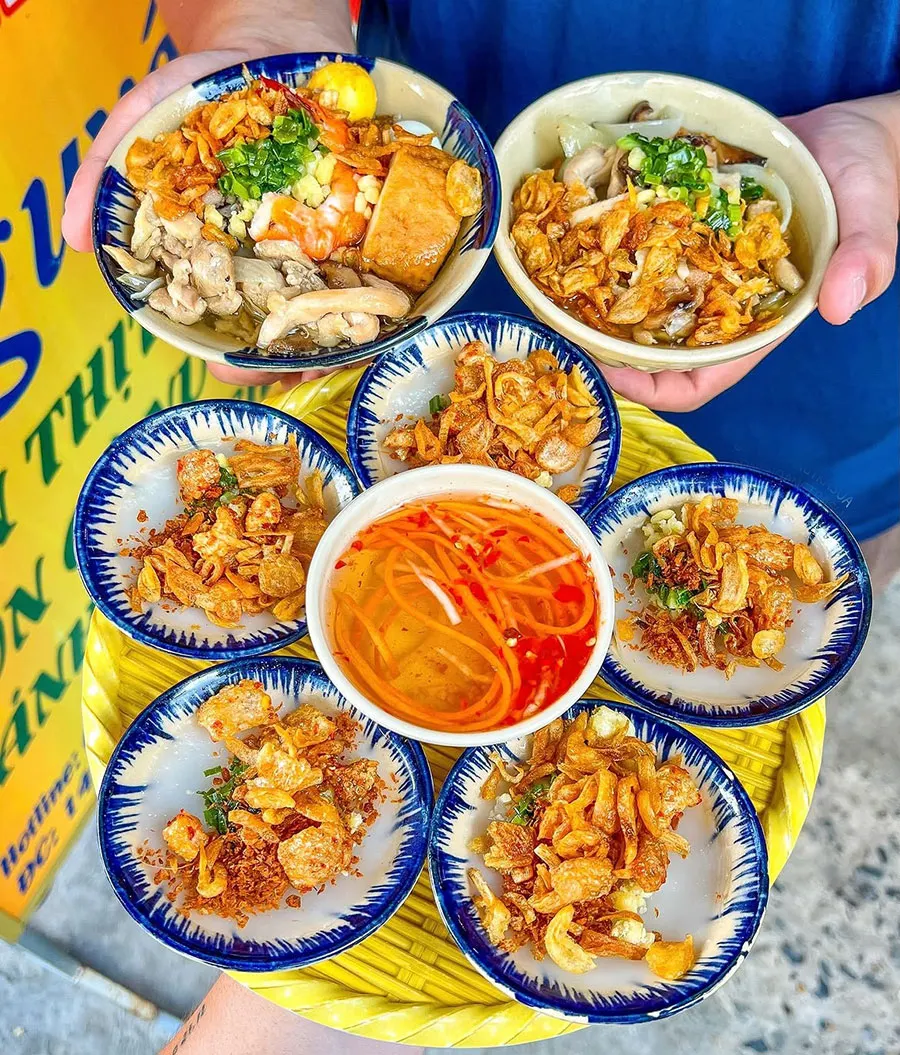
Bánh bèo is one of the best-known specialties of Huế. Small portions of rice batter are steamed in shallow dishes and topped with ingredients such as shrimp, scallion oil and crispy elements.
Fish sauce is usually served alongside, adding sweetness, saltiness and depth to the mild rice base.
Because each portion is small, bánh bèo is perfect for travelers who want to sample several dishes in one sitting.
4. Bánh Nậm – Delicate Rice Cake Wrapped in Banana Leaf
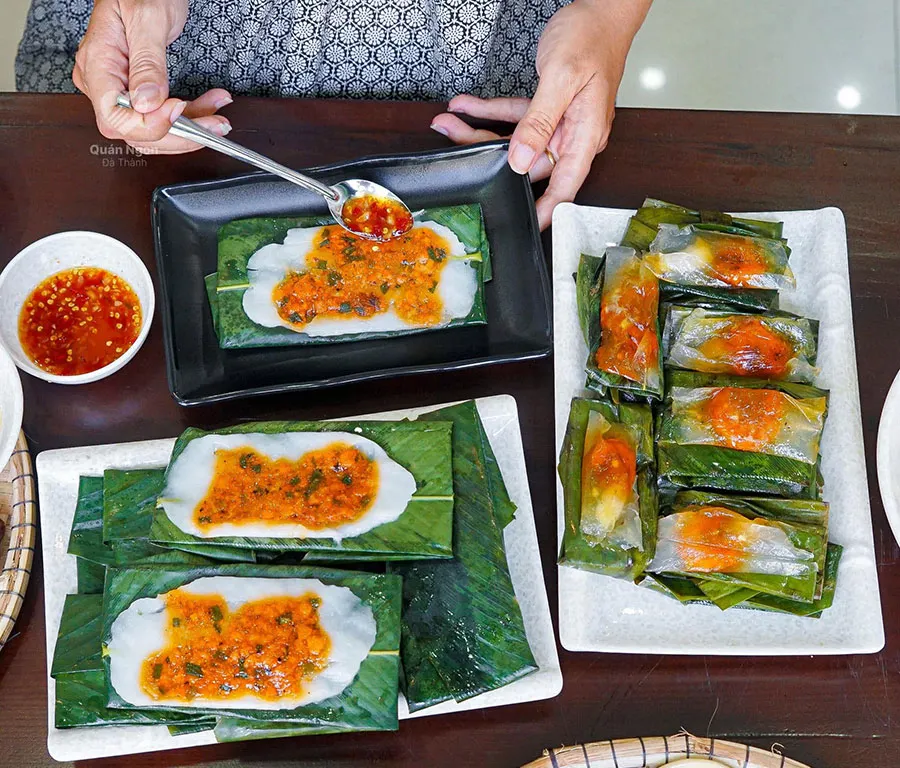
Another Huế specialty, bánh nậm is softer and thinner than most Vietnamese rice cakes.
Rice-flour batter is spread onto a banana leaf with a savory topping, often including shrimp, then folded and steamed. When opened, the leaf reveals a soft, almost silky cake with a gentle aroma.
Eat it directly from the wrapper with a spoon or chopsticks rather than trying to lift the whole cake.
If you are exploring Vietnamese food more broadly in the south, a Saigon street food tour is a practical way to discover local specialties beyond the most obvious tourist restaurants.
5. Bánh Ít Lá Gai – A Chewy Central Vietnamese Sweet
Bánh ít lá gai is particularly associated with Bình Định and central Vietnam.
Its dark outer layer is made from glutinous rice flour mixed with lá gai, while the filling commonly includes sweet mung bean or coconut. The texture is chewy and sticky, but the sweetness is usually more restrained than many Western desserts.
It is a good choice for travelers who enjoy traditional sweets without heavy frosting or cream.
6. Bánh Giò – A Warm Savory Rice Dumpling
Bánh giò is a popular northern Vietnamese snack with a soft rice-flour exterior.
Inside, you will usually find a savory filling of minced pork, shallots and wood-ear mushrooms. The dumpling is wrapped in banana leaves and steamed until tender.
It works well as breakfast or an afternoon snack because it is filling but still easy to eat on the go.
Local tip: Choose a busy vendor where the cakes are being served continuously and are still warm.
7. Bánh Đúc – One Name, Several Regional Styles
Bánh đúc is interesting because the same name can describe very different dishes depending on where you are in Vietnam.
Savory northern versions may be served with minced pork, sauce and herbs. In southern Vietnam, sweet pandan versions with coconut can have a softer, almost jelly-like texture.
Ask whether the bánh đúc is sweet or savory before ordering, especially in markets where several varieties may be displayed together.
8. Bánh Cuốn – Fresh Steamed Rice Rolls
Bánh cuốn is one of the easiest Vietnamese rice-based dishes for first-time visitors to enjoy.
A thin layer of rice batter is steamed over cloth, lifted carefully and often rolled around minced pork and wood-ear mushrooms. It may be served with herbs, fried shallots, Vietnamese sausage and dipping fish sauce.
The best versions are prepared to order. Watching a skilled cook spread, steam and lift each fragile rice sheet is part of the experience.
Bánh cuốn is particularly popular at breakfast. In Ho Chi Minh City, travelers who want to visit several neighborhood eateries in one evening can explore local food by joining a Saigon motorbike food tour.
9. Bánh Khọt – Crispy Mini Rice Cakes from Vũng Tàu
Bánh khọt is strongly associated with Vũng Tàu and is one of the best options for travelers who prefer crispy food.
Rice-flour batter is cooked in small round molds, usually with shrimp placed on top. The outside develops a crisp edge while the center remains softer.
A typical plate comes with lettuce, herbs and dipping sauce. Wrap each cake in greens before dipping it lightly into the sauce for the best balance of crispness, freshness and savory flavor.
10. Bánh Căn – Small Rice Cakes with a Softer Texture
Bánh căn may look similar to bánh khọt because both are cooked in small circular molds.
The biggest difference is texture and cooking method. Bánh căn is generally cooked with less oil, giving it a softer, lighter finish instead of the pronounced crispness associated with bánh khọt.
Toppings can include egg, shrimp or squid, while dipping sauces vary from one region to another.
Nha Trang and Phan Thiết are two good destinations for travelers who want to seek out local bánh căn.
11. Bánh Bò – Sweet, Airy and Slightly Chewy
Bánh bò is a traditional Vietnamese sweet made from rice flour and known for its distinctive airy interior.
Fermentation creates tiny holes throughout the cake, giving it a springy and slightly chewy texture. Coconut milk is often part of the flavor profile, while some regional varieties use palm sugar.
Bánh bò is commonly found in markets and traditional snack shops and makes a good alternative for travelers who prefer light, simple desserts.
12. Bánh Ít Trần – Chewy Savory Rice Dumplings
Bánh ít trần is made from glutinous rice flour, giving it a noticeably chewy texture.
Fillings may include mung bean, pork or shrimp, and the dumplings are often topped with scallion oil. Fish sauce or pickled vegetables may be served on the side.
Compared with bánh nậm, bánh ít trần feels much denser and more substantial.
If you are doing a food crawl, order only a few at first because glutinous rice becomes filling quickly.
Where Should Travelers Try Vietnamese Rice Cakes?
There is no single best destination because different regions specialize in different cakes.
Huế is particularly rewarding for bánh bèo and bánh nậm, while Vũng Tàu is famous for bánh khọt. Nha Trang and Phan Thiết are good places for bánh căn, and northern Vietnam is ideal for bánh cuốn, bánh giò and bánh chưng.
Ho Chi Minh City is also a useful place to explore Vietnamese regional food because people and culinary traditions from across the country have shaped the city’s food scene.
Traditional markets, neighborhood breakfast shops and family-run eateries are often more interesting than restaurants aimed mainly at tourists.
Travelers who prefer exploring slowly can combine food stops with walking tours in Ho Chi Minh City, especially in neighborhoods where markets, alleys and older local eateries are close together.
If you want a completely food-focused option on foot, a Ho Chi Minh Street Food Walking Tour can be an easy way to try several dishes without navigating unfamiliar streets alone.
How Much Do Vietnamese Rice Cakes Cost?
Vietnamese rice cakes are generally affordable, but prices vary by city, ingredients, portion size and location.
A simple breakfast or snack at a neighborhood stall may cost only a few tens of thousands of Vietnamese đồng, while larger plates with seafood, meat, herbs and accompaniments will cost more.
Restaurants in central tourist districts are usually more expensive than neighborhood vendors.
Before ordering, check whether the listed price is for one piece, one plate or one full serving. This is especially useful with small cakes such as bánh bèo or individually wrapped snacks.
Which Vietnamese Rice Cake Should You Try First?
For first-time visitors, bánh cuốn is one of the easiest starting points. It is soft, flavorful and familiar enough for travelers who may not yet be comfortable with stronger Vietnamese flavors.
If you like crispy food, choose bánh khọt. For something lighter, bánh căn is a good alternative.
Travelers with a sweet tooth can begin with bánh bò or bánh ít lá gai, while bánh chưng and bánh tét are the best choices for understanding how food connects with Tết traditions.
If you are staying in Saigon and want to combine local food with a broader look at neighborhoods, landmarks and everyday street life, a Ho Chi Minh City Motorbike Tour can help you cover more ground than walking alone.
Practical Tips for Trying Vietnamese Rice Cakes
Choose busy stalls whenever possible. High turnover usually means food is being cooked, steamed or assembled more frequently.
Watch how local diners use herbs and sauces before adding everything at once. Vietnamese dipping sauces can transform a dish, but too much can overpower delicate cakes such as bánh bèo and bánh nậm.
Travelers with food allergies should ask about shrimp, peanuts, pork, fish sauce, coconut and other ingredients that may not be immediately visible.
Vegetarians should confirm whether a dish is chay. A plain-looking rice cake can still contain pork, shrimp or fish-based seasoning.
Frequently Asked Questions About Vietnamese Rice Cakes
What Are Vietnamese Rice Cakes Made From?
Most Vietnamese rice cakes are made with rice flour, glutinous rice or rice-based batter. Depending on the recipe, they may also contain mung bean, pork, shrimp, coconut milk, herbs, scallion oil or fish sauce.
Are Vietnamese Rice Cakes Sweet or Savory?
They can be both. Bánh cuốn, bánh giò, bánh nậm and bánh khọt are usually savory, while bánh bò and bánh ít lá gai are typically sweet. Some dishes also have both sweet and savory regional versions.
What Is the Difference Between Bánh Khọt and Bánh Căn?
Bánh khọt is generally crisper and cooked with more oil. Bánh căn is usually softer and lighter. Both are cooked in small molds, but their toppings, sauces and regional serving styles can differ.
Are Vietnamese Rice Cakes Gluten-Free?
Many traditional versions are made mainly from rice, but travelers with celiac disease or serious gluten intolerance should still confirm ingredients, sauces, seasonings and possible cross-contact.
Can Vegetarians Eat Vietnamese Rice Cakes?
Yes, some can, but ingredients should always be checked. Many savory versions contain pork, shrimp or fish sauce, while vegetarian varieties may use mung bean, mushrooms, coconut or other plant-based fillings.
Which Vietnamese Rice Cakes Are Eaten During Tết?
Bánh chưng is especially associated with northern Vietnam, while bánh tét is common in central and southern regions. Both are traditional glutinous rice cakes closely connected with Vietnamese Lunar New Year celebrations.
Where Can Travelers Find the Best Vietnamese Rice Cakes?
Try regional specialties where they are best known: bánh bèo and bánh nậm in Huế, bánh khọt in Vũng Tàu, bánh căn in Nha Trang or Phan Thiết, and bánh cuốn in northern Vietnam. Ho Chi Minh City is also excellent for finding dishes from many regions in one place.
Discover Vietnam One Rice Cake at a Time
You do not need to try all 12 Vietnamese rice cakes on one trip. A better approach is to taste regional specialties as you travel and notice how texture, fillings, sauces and cooking techniques change from one place to another.
Start with bánh cuốn for breakfast, bánh bèo in Huế or bánh khọt near the coast, then follow whatever busy local stall catches your attention next. Sometimes one small rice cake can tell you more about a destination than an elaborate restaurant meal.