Quick Answer: Fish sauce, or nước mắm, is the foundation of Vietnamese cuisine. It adds natural umami, balances sweet, sour and salty flavors, and gives iconic dishes like pho, com tam, bun cha and banh xeo their unmistakable taste. More than a seasoning, it’s a symbol of Vietnam’s food culture and family traditions.
Imagine ordering your first bowl of pho in Vietnam. The broth is fragrant, fresh herbs cover the surface, and everything looks perfect. Yet the ingredient that gives the soup its unforgettable depth isn’t immediately visible.
That hidden hero is Vietnamese fish sauce, known locally as nước mắm. It’s one of the oldest and most important ingredients in Vietnamese cooking, quietly transforming simple recipes into dishes people remember long after their trip ends.
For many international visitors, fish sauce can be surprising. Its aroma is bold, but its flavor is remarkably balanced. Once you experience authentic Vietnamese food, you’ll quickly understand why locals say a meal without fish sauce is never quite complete.
Whether you’re exploring a lively street food market in Ho Chi Minh City or enjoying a home-cooked dinner in a small coastal town, fish sauce appears almost everywhere. It’s not simply a condiment sitting on the table—it’s woven into Vietnam’s culinary identity. If you want to experience how it transforms everyday Vietnamese dishes, a Ho Chi Minh City Food Tour offers the chance to taste authentic local specialties like pho, com tam, bun thit nuong and banh xeo, while learning why Vietnamese fish sauce remains the heart of Vietnam’s culinary traditions.
What Is Vietnamese Fish Sauce?
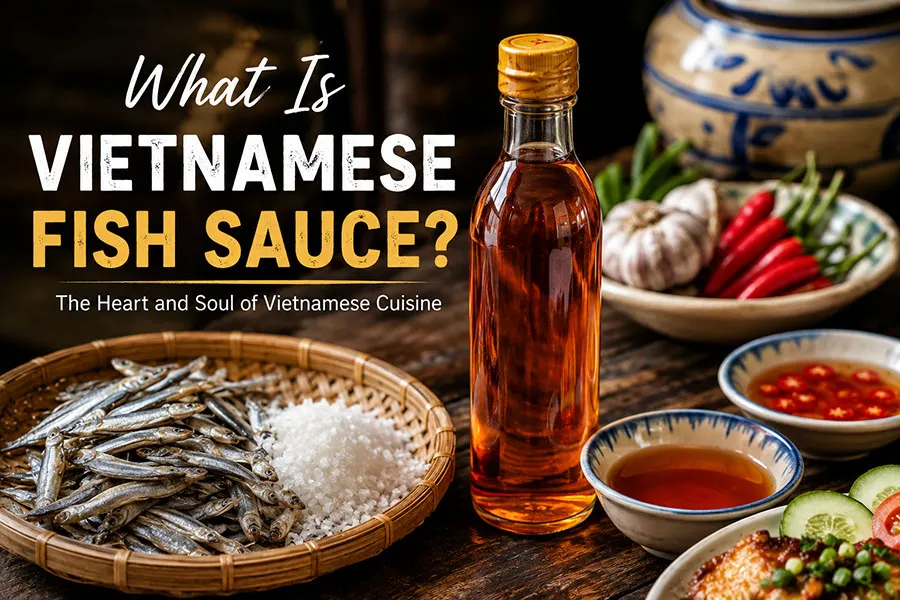
Vietnamese fish sauce is a naturally fermented seasoning made from fresh anchovies and sea salt. While the ingredient list is simple, producing high-quality fish sauce takes patience, skill and time.
Fresh anchovies are layered with salt inside large wooden barrels and left to ferment for 12 months or even longer. During this natural process, the fish develops a rich umami flavor that no artificial seasoning can truly replicate.
The finest variety is known as first press fish sauce. Collected from the first extraction, it has a clear amber color, a smooth finish and a naturally complex taste without unnecessary additives.
Traditional producers still follow methods passed down through generations. In many coastal communities, making fish sauce is more than a business—it’s a family tradition that reflects Vietnam’s rich culinary heritage.
Why Fish Sauce Is Different From Other Fish Sauces
Not all fish sauces taste the same. Although several Asian countries produce their own versions, Vietnamese fish sauce is widely respected for its clean, balanced and naturally savory flavor.
One reason is the quality of the ingredients. Premium producers carefully select fresh anchovies and allow them to ferment slowly instead of speeding up the process with industrial methods.
Time also plays an important role. A longer fermentation creates deeper flavor, a softer aroma and a smoother finish that complements food instead of overpowering it.
That’s why authentic Vietnamese fish sauce works beautifully in soups, grilled dishes, stir-fries and dipping sauces. Rather than making food taste fishy, it simply makes every ingredient taste better.
Why Every Vietnamese Kitchen Has Fish Sauce
Walk into almost any Vietnamese home and you’ll probably spot a bottle of fish sauce within reach. It’s as essential as olive oil in Italy or soy sauce in Japan.
Unlike many condiments that are only added before serving, fish sauce is used throughout the cooking process. A few drops season a broth, another spoonful flavors a marinade, while the rest becomes nước chấm, Vietnam’s famous dipping sauce.
This versatility explains why fish sauce appears in thousands of traditional recipes. It doesn’t steal the spotlight—it quietly brings every flavor into harmony.
For Vietnamese families, fish sauce isn’t just an ingredient. It’s part of everyday life, shared meals and generations of cooking traditions.
Just as every family has its own way of using fish sauce, every region has its own signature dishes. Exploring them on a Ho Chi Minh City Food Tour is one of the easiest ways to experience authentic local flavors and discover how this iconic seasoning is used in everyday Vietnamese cooking.
The Secret Behind Vietnam’s Perfect Balance of Flavors
One of the biggest reasons travelers fall in love with Vietnamese food is its balance. Meals rarely taste too salty, too sweet or too heavy.
Instead, every dish combines fresh herbs, aromatic spices, crisp vegetables, natural sweetness, gentle acidity and rich umami. Fish sauce is the ingredient that ties those flavors together.
Think of it as the conductor of an orchestra. You may not notice it immediately, but without it, the entire performance feels incomplete.
That’s why chefs often describe fish sauce as the heart of Vietnamese cuisine rather than just another seasoning.
Many of these perfectly balanced flavors can be experienced in Vietnam’s most famous street foods. If you’re wondering where to start, our Vietnamese Street Food Guide introduces the local dishes every food lover should try.
Why Travelers Should Understand Fish Sauce Before Exploring Vietnamese Food
Understanding fish sauce changes the way you experience Vietnamese cuisine. Instead of simply tasting delicious food, you begin to recognize the craftsmanship behind every bowl of pho, every plate of com tam and every bite of bun thit nuong.
It also helps you appreciate the regional traditions, family recipes and cooking techniques that make Vietnam one of the world’s most exciting food destinations.
As you travel through the country, you’ll discover that fish sauce isn’t just an ingredient. It’s a story of history, culture and everyday life—one that has been passed from one generation to the next.
Why Fish Sauce Is More Than Food in Vietnamese Culture
In Vietnam, fish sauce is more than a pantry staple. It represents family traditions, shared meals and recipes that have been passed down for generations.
Many Vietnamese children grow up watching parents or grandparents mix a small bowl of nước chấm before dinner. That simple ritual is still part of everyday life in homes across the country.
Unlike many modern condiments, fish sauce isn’t treated as an optional extra. It’s considered an essential ingredient that completes the meal.
The Science Behind Fish Sauce’s Incredible Flavor
Have you ever wondered why Vietnamese food tastes so rich without using heavy cream or butter?
The answer lies in umami, often called the fifth taste. During the natural fermentation process, proteins in anchovies break down into amino acids, especially glutamate, creating the deep savory flavor that makes food more satisfying.
That’s why even a small amount of fish sauce can dramatically improve soups, marinades and stir-fries without making them taste fishy.
Why Fish Sauce Doesn’t Make Food Taste Fishy
This is one of the biggest misconceptions among first-time visitors.
When used correctly, fish sauce almost disappears into the dish. Instead of adding a strong seafood flavor, it enhances the natural sweetness of meat, vegetables and herbs.
Think of it like salt in baking. You rarely notice it on its own, but you would immediately notice if it were missing.
Phu Quoc Fish Sauce: Vietnam’s Most Famous Variety
When talking about premium Vietnamese fish sauce, one name appears again and again—Phu Quoc.
Located off Vietnam’s southern coast, Phu Quoc Island has produced traditional fish sauce for centuries. The island’s fresh anchovies, clean seawater and ideal climate create excellent conditions for natural fermentation.
Many producers still age their fish sauce in giant wooden barrels for over a year before bottling it. The result is a rich, clear and naturally flavorful sauce that is highly regarded both in Vietnam and internationally.
For food lovers, tasting authentic Phu Quoc fish sauce is almost as memorable as visiting the island itself.
Many travelers combine their culinary journey with other regional experiences after visiting southern Vietnam. If you’re planning a longer itinerary, explore our Vietnam Multi-Day Tours for more authentic destinations beyond Ho Chi Minh City.
Regional Differences Across Vietnam
Although fish sauce is enjoyed nationwide, each region has its own preferences.
Northern Vietnam
Northern dishes often use fish sauce more subtly. The goal is to highlight the natural flavor of the ingredients rather than dominate them.
You’ll notice this balance in dishes like pho, bun cha and many traditional family soups.
Central Vietnam
Central Vietnamese cuisine is famous for bold flavors.
Fish sauce here is often stronger, saltier and paired with fresh chili, reflecting the region’s love of spicy food.
Southern Vietnam
Southern Vietnam generally prefers a sweeter balance.
Many dipping sauces include fish sauce mixed with sugar, garlic, lime and chili, creating the familiar nước chấm served with grilled meats, seafood and fresh herbs.
Traveling from north to south offers a fascinating opportunity to experience how one ingredient can take on different personalities.
Iconic Vietnamese Dishes That Depend on Fish Sauce
Some of Vietnam’s most famous dishes simply wouldn’t taste the same without fish sauce.
Pho
Fish sauce quietly deepens the broth, adding richness without overpowering the delicate spices.
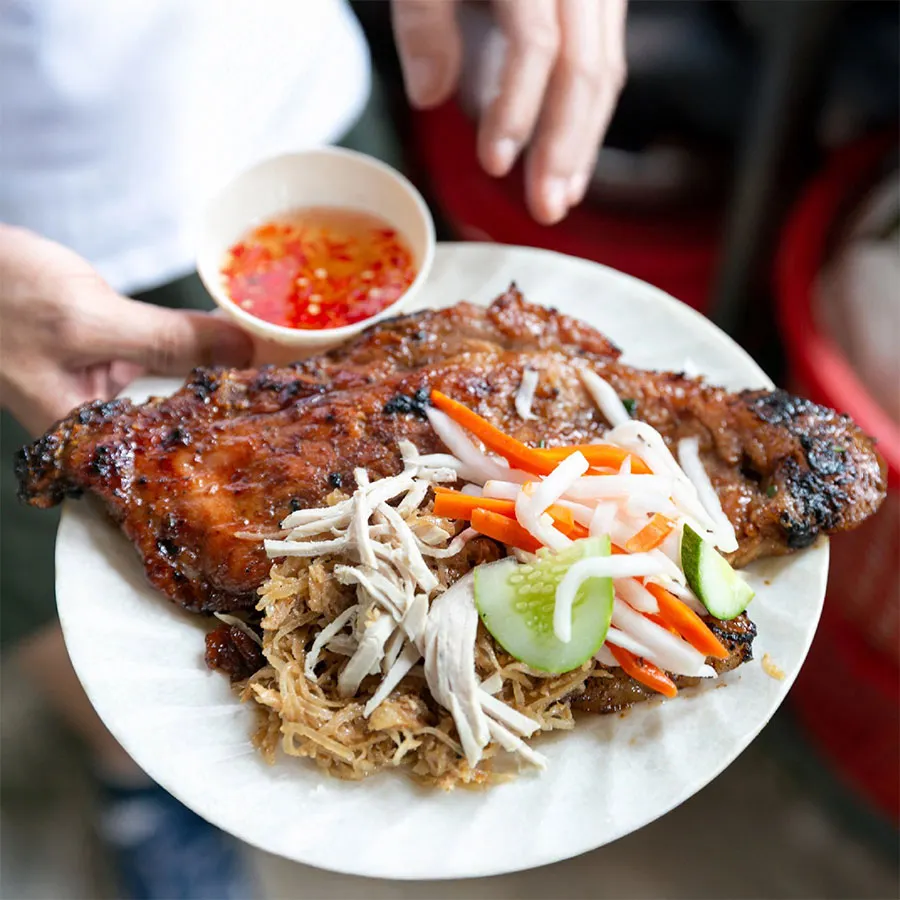
Com Tam (Broken Rice)
The sweet and savory fish sauce dressing brings grilled pork, pickled vegetables and broken rice together in perfect harmony.
If you’re looking for authentic local flavors, com tam is one of the best meals to try in Ho Chi Minh City.
If you’re looking for authentic local flavors, don’t miss our guide to the Best Com Tam in Ho Chi Minh City, featuring local favorites loved by generations of Saigon residents.
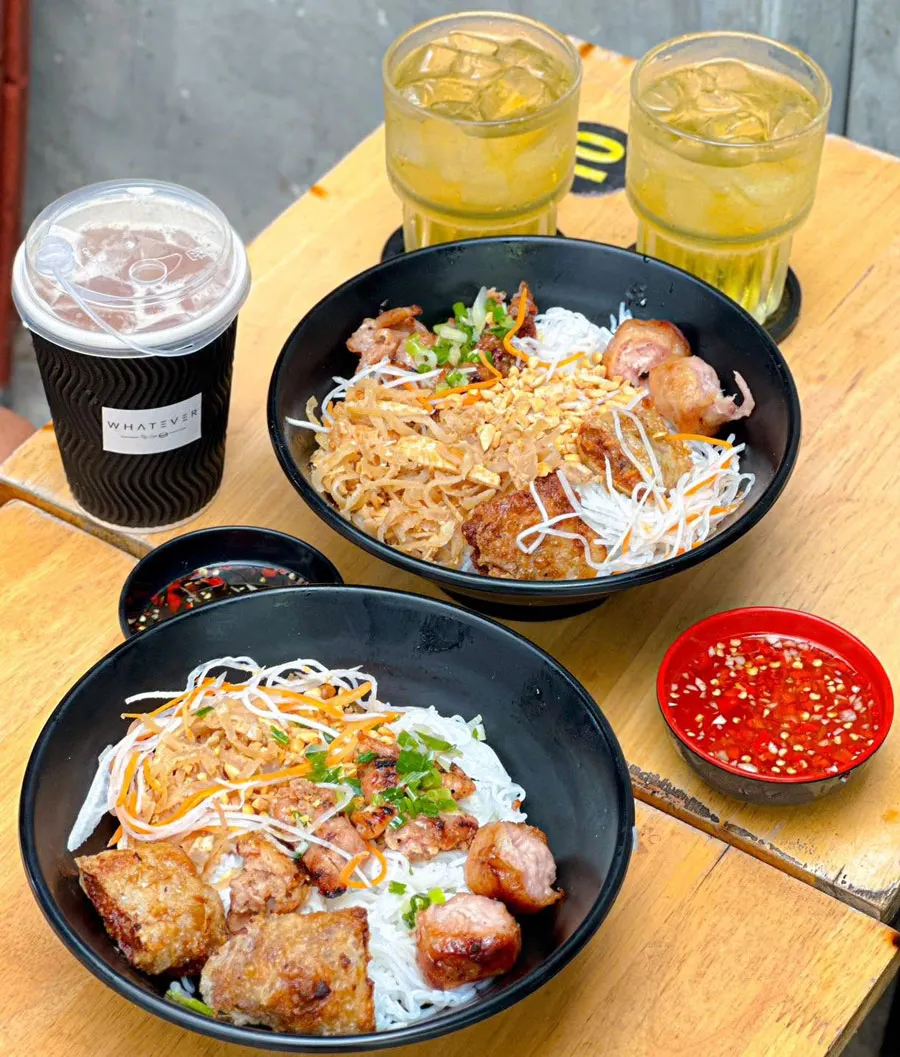
Bun Thit Nuong
Grilled pork, rice noodles, herbs and roasted peanuts all come together thanks to a light fish sauce dressing.
Every bite delivers the balance Vietnamese cuisine is famous for.
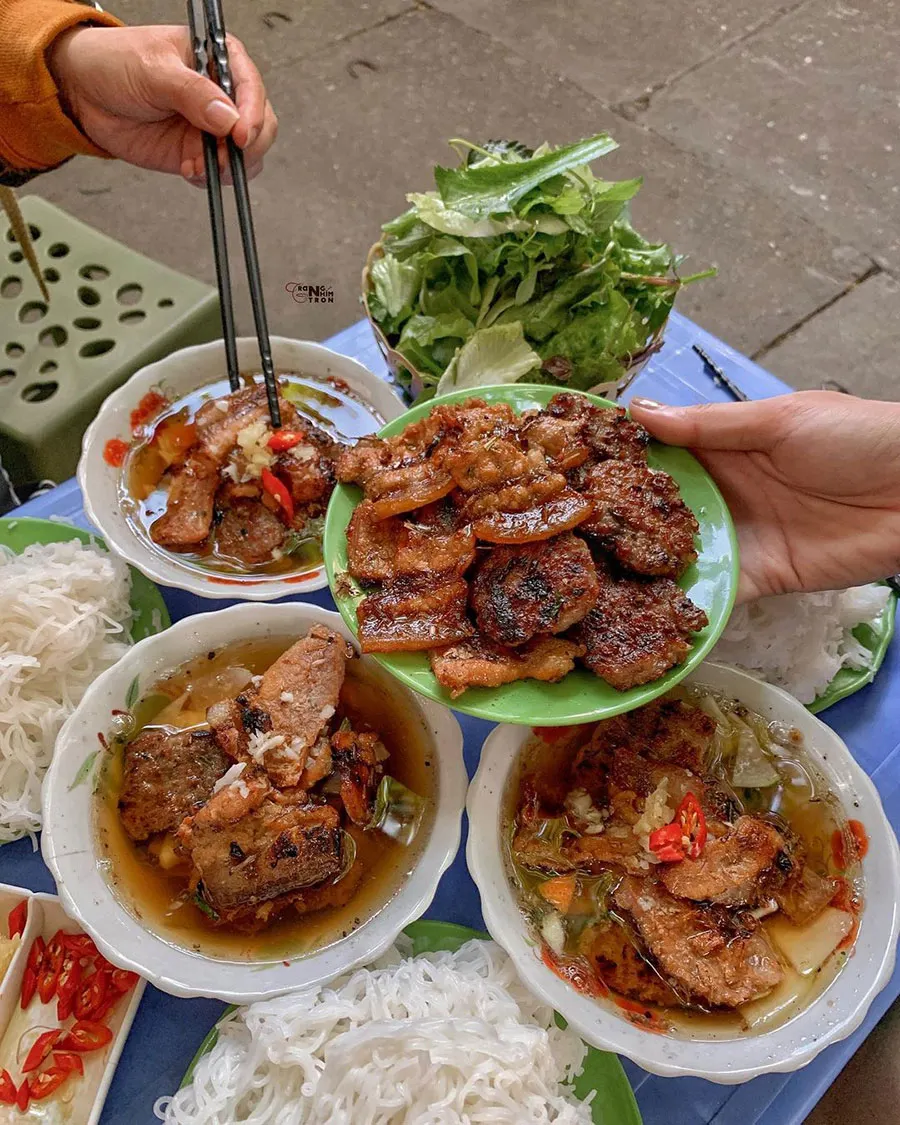
Bun Cha
This Hanoi specialty serves grilled pork in a warm bowl of seasoned fish sauce.
The dipping broth is just as important as the meat itself.
Banh Xeo
Vietnam’s crispy savory pancake becomes even more flavorful after being dipped into freshly made nước chấm.
The contrast between the crunchy pancake and the bright dipping sauce is unforgettable.
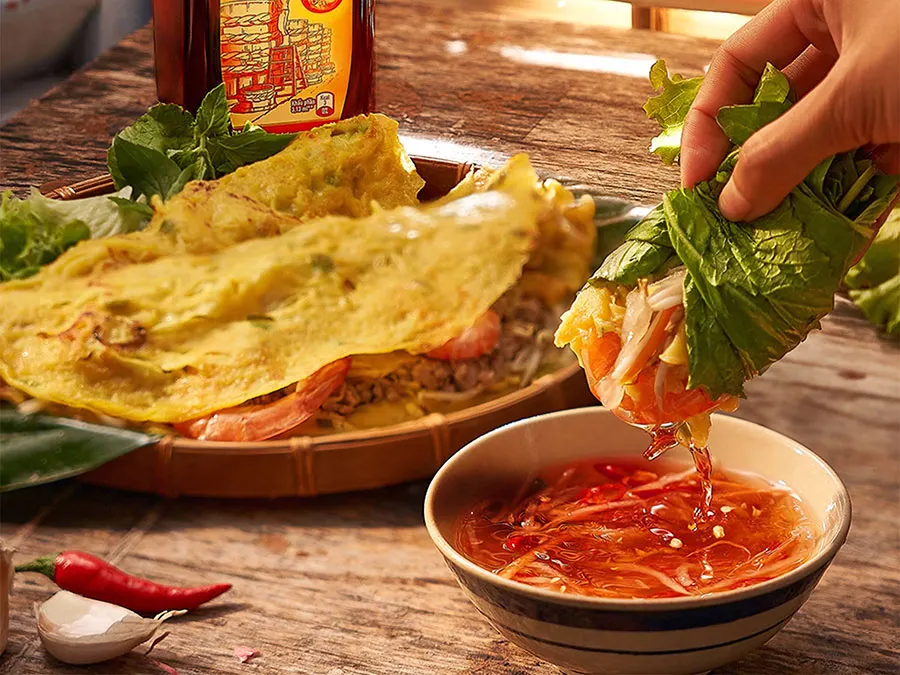
Goi Cuon (Fresh Spring Rolls)
Fresh spring rolls are light, healthy and refreshing.
A bowl of homemade fish sauce with garlic and chili adds the perfect finishing touch.

How Vietnamese Families Make Nước Chấm
Every household has its own recipe.
Some families prefer a sweeter dipping sauce, while others add more lime or fresh chili for extra brightness.
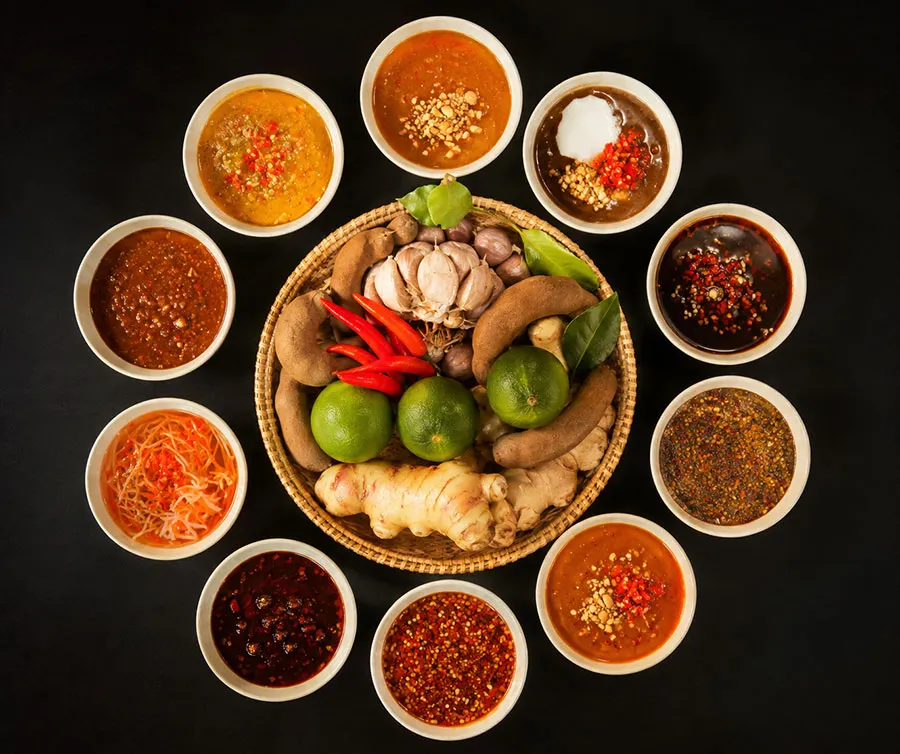
A classic nước chấm usually combines:
- Fish sauce
- Warm water
- Fresh lime juice
- Sugar
- Garlic
- Chili
Although the ingredients are simple, getting the balance right takes experience. That’s why homemade dipping sauces often taste slightly different from one family to another.
Common Mistakes Tourists Make
Many travelers judge fish sauce before tasting it.
Its aroma can be strong, but that’s completely normal. Once mixed into a recipe or prepared as a dipping sauce, the flavor becomes much softer and more balanced.
Another common mistake is adding too much fish sauce at once.
Like good olive oil or fine soy sauce, fish sauce works best in moderation. Just a small amount is enough to transform an entire dish.
Finally, don’t assume every bottle tastes the same.
Traditional, naturally fermented fish sauce offers a far more complex flavor than many inexpensive commercial versions.
Why Food Tours Are the Best Way to Experience Fish Sauce
Reading about fish sauce is one thing. Tasting it in Vietnam is something else entirely.
On a local food tour, you’ll discover how fish sauce changes from one dish to another. A bowl of pho, a plate of com tam and a serving of fresh spring rolls may all contain fish sauce, yet each highlights it in a completely different way.
You’ll also learn why locals season food differently from tourists and how regional traditions influence every recipe.
By the end of the experience, you’ll understand why fish sauce isn’t just an ingredient—it’s the flavor that connects Vietnam’s entire culinary story.
Can You Cook Vietnamese Food Without Fish Sauce?
The short answer is yes—but it won’t taste quite the same.
Many vegetarian and vegan recipes replace fish sauce with soy sauce, mushroom seasoning or fermented bean-based alternatives. These substitutions work well for specific dishes, especially when dietary preferences or religious beliefs are involved.
However, traditional Vietnamese cuisine has relied on fish sauce for centuries. Its natural umami and balanced saltiness are difficult to recreate with a single ingredient.
If you want to experience authentic Vietnamese flavors, tasting dishes prepared with real nước mắm is part of the journey.
How to Buy Authentic Vietnamese Fish Sauce
Many travelers fall in love with Vietnamese food and want to bring home a bottle of fish sauce. The good news is that premium varieties are widely available throughout Vietnam.
When shopping, look for naturally fermented fish sauce made with only anchovies and sea salt. A shorter ingredient list usually indicates a more traditional product.
If possible, choose bottles labeled first press fish sauce or products from Phu Quoc, one of Vietnam’s most respected fish sauce-producing regions.
Before flying home, remember to pack bottles securely in checked luggage and check your airline’s liquid restrictions.
Why Fish Sauce Continues to Win Over International Travelers
Many visitors admit they were skeptical before trying fish sauce for the first time.
The aroma can seem intense, especially if you’ve never encountered naturally fermented seafood products before. Yet after tasting authentic Vietnamese dishes, that first impression often disappears.
Instead of noticing the fish sauce itself, travelers begin to appreciate how it enhances grilled meats, brightens noodle soups and creates perfectly balanced dipping sauces.
It’s one of those rare ingredients that quietly transforms an entire meal without demanding attention.
Experience Authentic Vietnamese Cuisine Like a Local
Vietnamese fish sauce is much more than a seasoning. It reflects centuries of tradition, regional craftsmanship and the philosophy of balancing flavors that defines Vietnamese cooking.
From a steaming bowl of pho in Hanoi to a plate of com tam in Ho Chi Minh City, fish sauce plays a subtle but essential role in countless dishes. Once you recognize its contribution, you’ll start tasting Vietnamese food in a completely different way.
Whether you’re an adventurous foodie or simply curious about local culture, understanding nước mắm offers a deeper appreciation of one of the world’s most celebrated cuisines.
The next time you visit Vietnam, don’t just order the food—ask how it’s prepared. You may discover that the smallest bottle on the table holds the biggest secret behind every unforgettable meal.
Experience Authentic Vietnamese Food Like a Local
Reading about Vietnamese cuisine is only the beginning. The real experience comes from sitting beside locals, visiting neighborhood eateries and tasting dishes where fish sauce has been used exactly as generations of Vietnamese families intended.
If you’re looking to go beyond tourist restaurants, join our Ho Chi Minh City Food Tour and discover hidden food stalls, family-run eateries and authentic local recipes. Along the way, you’ll learn how Vietnamese fish sauce is used in different regional dishes while hearing the stories behind Vietnam’s rich culinary traditions.
From com tam and banh xeo to fresh spring rolls and sizzling street food, every stop offers a deeper understanding of why Vietnamese cuisine is loved around the world.
Frequently Asked Questions
1. Why is fish sauce so important in Vietnamese cuisine?
Fish sauce provides the rich umami flavor that ties together sweet, sour, salty and savory elements. It’s used in cooking, marinating and dipping, making it one of the most essential ingredients in Vietnamese cuisine.
2. Is Vietnamese fish sauce different from Thai fish sauce?
Yes. Traditional Vietnamese fish sauce is generally lighter, cleaner and more balanced in flavor, while some Thai varieties tend to be sweeter or stronger. Each country has its own production methods and regional preferences.
3. What is nước mắm made from?
Authentic nước mắm is made from fresh anchovies and sea salt that are naturally fermented for 12 months or longer.
4. Does fish sauce taste fishy?
Not when it’s used properly. It enhances the overall flavor of a dish rather than making it taste like fish.
5. Which Vietnamese dishes use fish sauce?
Fish sauce is commonly found in pho, com tam, bun cha, bun thit nuong, banh xeo, fresh spring rolls and many stir-fried or grilled dishes.
6. Can vegetarians eat fish sauce?
Traditional fish sauce contains fish, so vegetarians and vegans should look for plant-based alternatives made from mushrooms, soy or fermented vegetables.
7. Where can I try authentic Vietnamese fish sauce?
The best way is by enjoying local dishes at family-run restaurants, neighborhood eateries or joining a guided food tour where experienced local guides explain how fish sauce is used in traditional Vietnamese cooking.