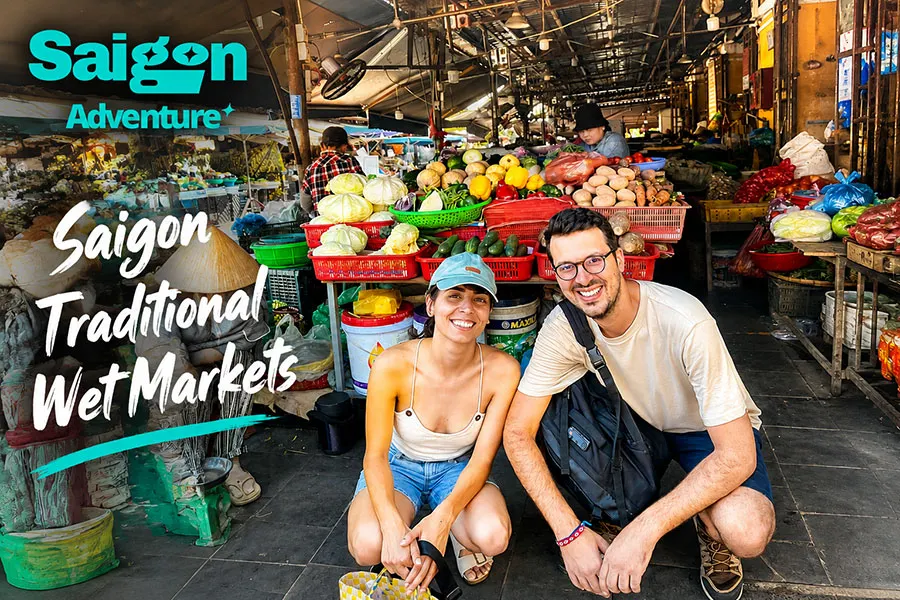
At sunrise, while much of Ho Chi Minh City is still stretching awake, its neighborhood markets are already in full motion. Fish flick water from metal basins, herb sellers build fragrant green towers, and breakfast vendors pass steaming bowls across counters barely wider than a suitcase.
Saigon’s traditional wet markets offer travelers more than an unusual place to take photographs. They reveal how local people choose ingredients, plan meals, follow the seasons and maintain relationships with vendors they may have known for years.
Visit with patience and an open mind, and you will discover a living part of Vietnamese food culture that no supermarket or souvenir market can reproduce.

Why Are Saigon’s Traditional Wet Markets Worth Visiting?
A wet market is where many Vietnamese meals begin. Before a bowl of noodle soup reaches the table, its herbs, bones, vegetables and spices may have passed through one of these narrow, fast-moving aisles.
Unlike polished shopping centers, traditional markets are built around freshness and daily demand. Vendors sell what local families, cooks and small restaurants need that morning, often in quantities suited to a single meal.
This makes each visit different. The displays change with the season, the weather, regional harvests and what arrived from farms, rivers or coastal provinces overnight.
For international visitors, exploring a local market in Ho Chi Minh City is also a way to understand the city beyond its landmarks. The experience is noisy, colorful and occasionally overwhelming, but unmistakably real.

What Can Travelers Discover in Saigon’s Traditional Wet Markets?
Tropical Fruit at Its Seasonal Best
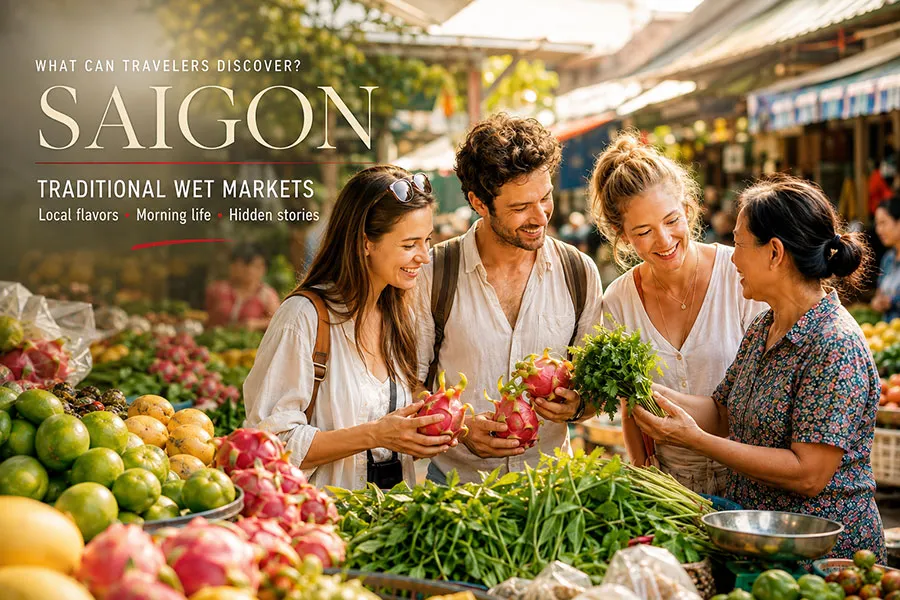
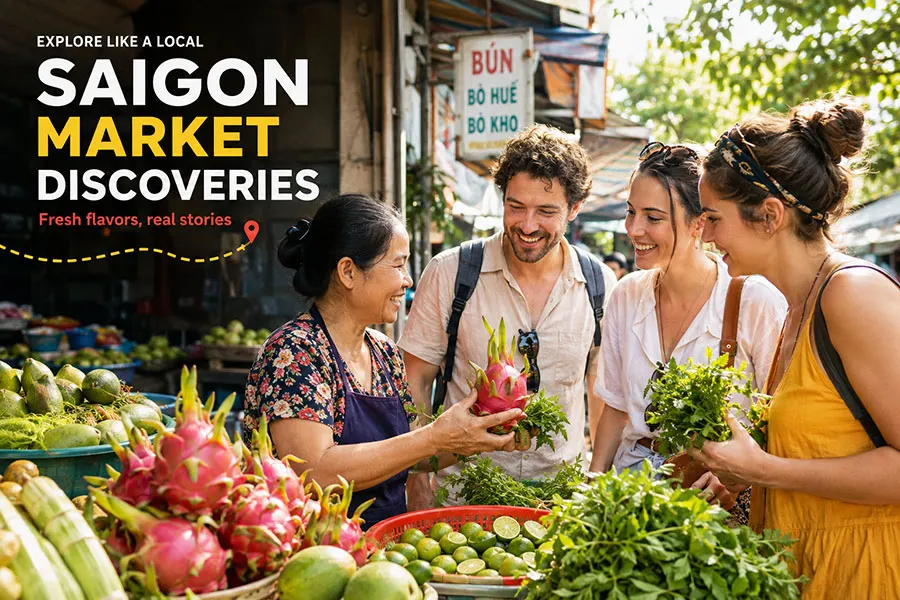
Fruit stalls are often the easiest place to begin. Their displays may include dragon fruit, pomelo, rambutan, longan, mangosteen, sapodilla, custard apple and several kinds of mango.
Instead of seeing the same selection throughout the year, travelers can notice how availability changes with the season. During peak harvest periods, one fruit may suddenly fill entire rows of baskets and appear on juice carts across the city.
The vendors can usually tell which mango is ready to eat today and which should be kept until tomorrow. Even without a shared language, pointing, smiling and indicating the amount you want normally works.
Ask before squeezing or handling delicate fruit. Vendors know how to judge ripeness without bruising the produce and will often select the best pieces for you.

The Herbs Behind Familiar Vietnamese Flavors
One of the most revealing sections of a Saigon wet market is the herb area. What first appears to be a wall of green contains dozens of distinct flavors used for different dishes.
Alongside mint and Thai basil, you may find perilla, fish mint, sawtooth coriander, Vietnamese balm and rice paddy herb. Some taste peppery or citrusy, while others have aromas that can surprise first-time visitors.
Look at how the herbs are bundled together. A prepared combination may be intended for bánh xèo, fresh spring rolls, sour soup or a specific noodle dish.
This is where travelers begin to understand why Vietnamese food tastes so fresh and layered. Herbs are not simply decoration; they contribute aroma, texture and balance.
Seafood From Rivers, Canals and the Coast
The seafood section is usually louder, wetter and more energetic. Freshwater fish, prawns, squid, clams, crabs and snails may be arranged on ice or kept in shallow containers.
Some products come from the Mekong Delta, while others arrive from coastal areas of southern Vietnam. Their variety reflects Saigon’s position between fertile river systems and the sea.
Travelers may also notice species rarely displayed in Western supermarkets. Rather than guessing how they are cooked, watch what regular shoppers buy or ask a guide to explain their role in local dishes.
Stay close to the edge of the aisle and watch your footing. Vendors work quickly, and the floor around seafood stalls can become slippery.

Meat Cut According to the Dish
Meat stalls offer another glimpse into the practical intelligence of Vietnamese cooking. Customers often request a cut based on what they plan to prepare rather than choosing from standardized packages.
Pork belly may be selected for caramelized braising, bones for a clear broth and thin slices for stir-frying. The vendor can cut or portion the meat immediately to match the customer’s needs.
This section can feel confronting to visitors accustomed to packaged meat. Observe respectfully, avoid staring and never take a close photograph of a vendor without asking permission.
Fresh Noodles, Tofu and Everyday Staples
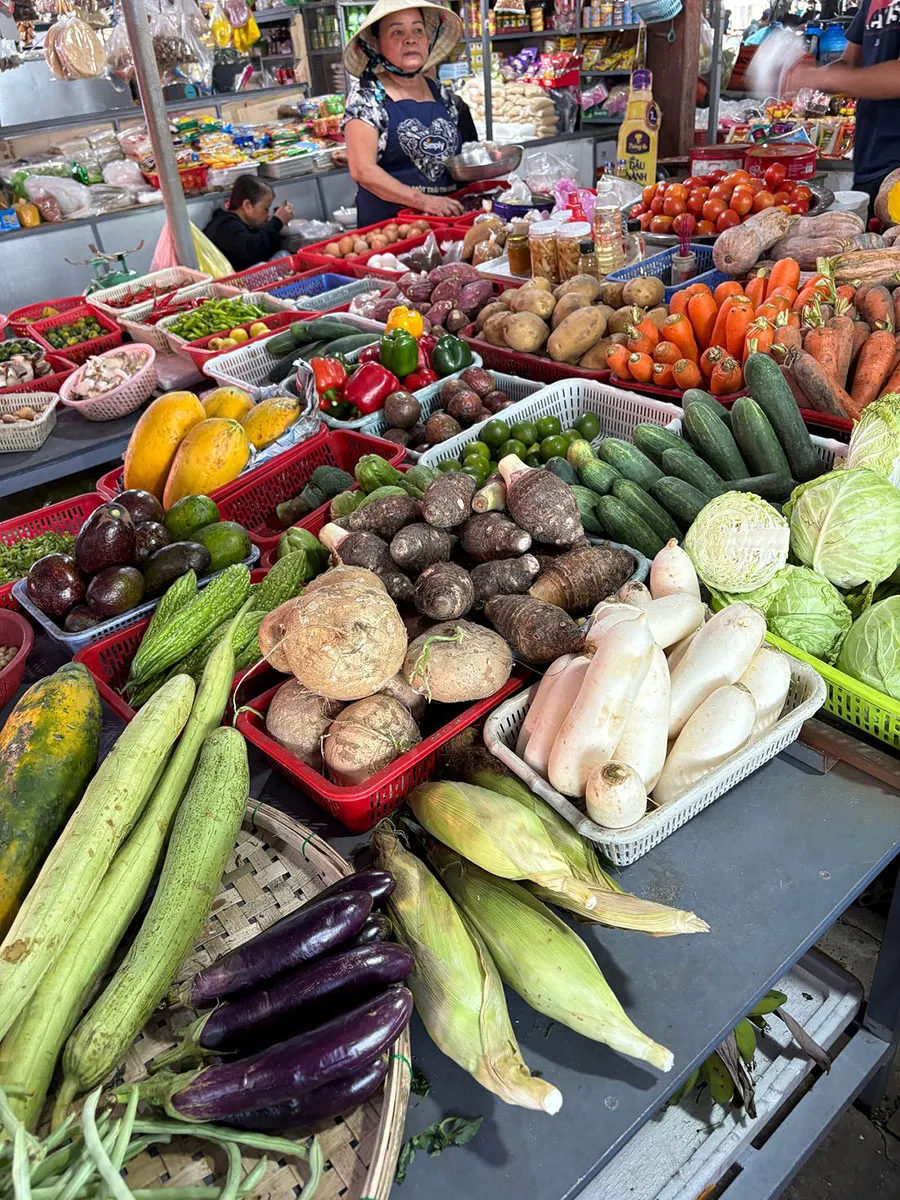
Past the brighter fruit displays, travelers can find ingredients that quietly support everyday Vietnamese meals. These include fresh rice noodles, tofu, rice paper, dried mushrooms, beans and several varieties of rice.
Fresh noodles come in different shapes and thicknesses. Thin bún appears in many soups and salads, while wider rice noodles are used in dishes with completely different textures and regional identities.
Tofu stalls may sell soft blocks for soup, firmer pieces for frying and golden tofu that has already been cooked. Nearby jars can contain pickled vegetables, fermented products or sauces that add saltiness, acidity and depth.
These ingredients may look simple, but together they reveal how Vietnamese cooks build complex meals from affordable local staples.
Breakfast Prepared Within Arm’s Reach of the Ingredients
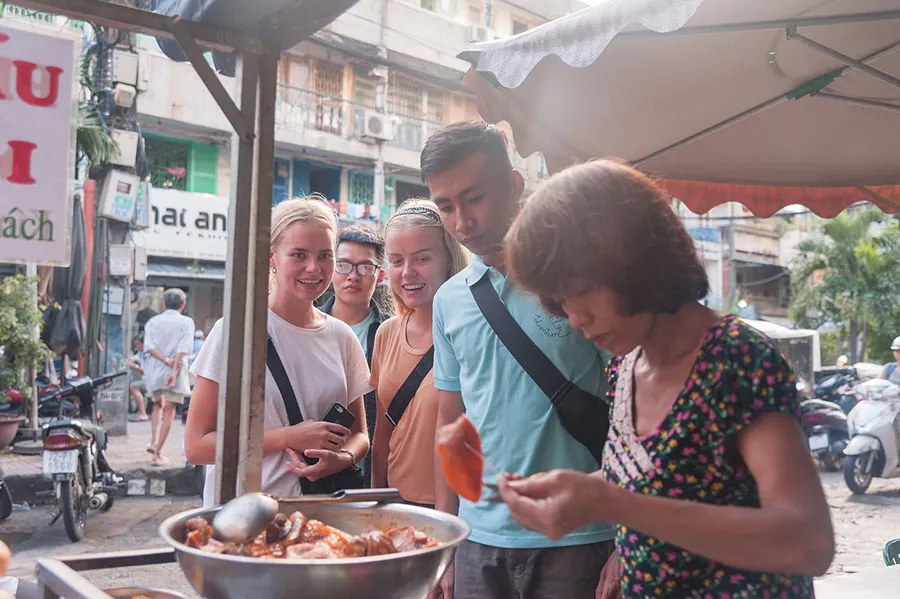
Many traditional markets have a prepared-food section serving vendors, delivery workers and neighborhood residents. This is often where a morning visit becomes especially memorable.
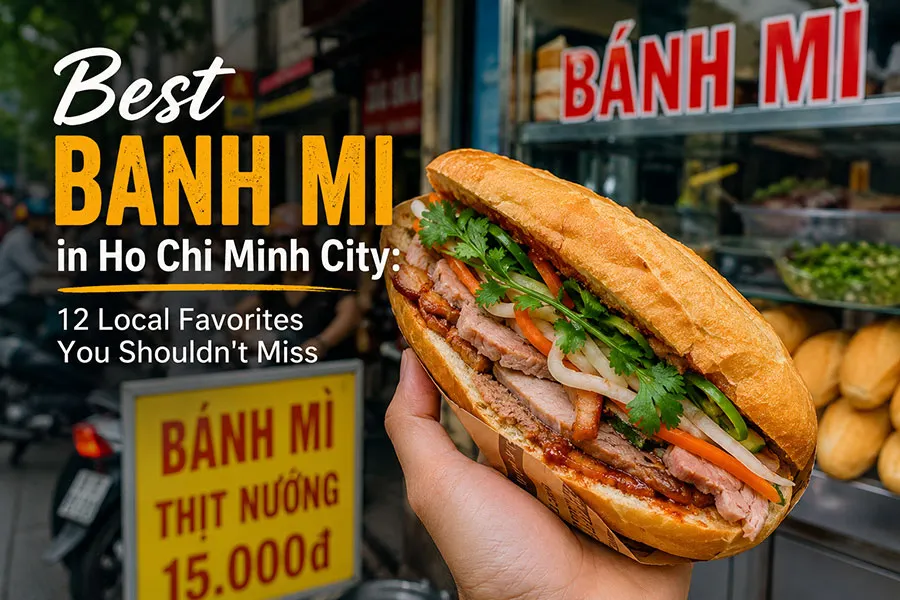
Depending on the market, breakfast might be sticky rice, bánh mì, bánh cuốn, cháo or a steaming noodle soup. Some cooks specialize in one recipe and have served it from the same small stall for many years.
Follow the local crowd rather than searching only for a famous name. A busy stall with high turnover and food cooked in front of you is usually a sensible choice.
Sitting on a low stool beside shoppers starting their day feels very different from eating the same dish in a tourist restaurant. You are participating, briefly, in the daily rhythm surrounding the market.
What Do These Markets Reveal About Saigon Life?
Traditional markets show how strongly Vietnamese cooking depends on freshness. Many people shop in the morning for ingredients they plan to cook the same day rather than filling a refrigerator for an entire week.
They also demonstrate how little food needs to be wasted. Bones become stock, herb stems add fragrance, fruit is used at different stages of ripeness, and cuts unfamiliar to foreign visitors have established culinary purposes.
Seasonal changes are easy to see. During the weeks leading up to Tết, ordinary displays may give way to flowers, candied fruit, decorative plants and ingredients used for celebratory meals.
Most importantly, a neighborhood market is a social network. Vendors remember preferences, set aside good produce for regular customers and exchange news while weighing vegetables or cleaning fish.
The apparent chaos has its own order. Every basket, stool and parked motorbike occupies a space shaped by years of repetition.
Best Traditional Wet Markets to Visit in Ho Chi Minh City
| Market | Area | Best for | Recommended time |
|---|---|---|---|
| Tân Định Market | Central Saigon | First-time visitors, food and fabric | 6:00–8:00 a.m. |
| Bà Chiểu Market | Bình Thạnh | Authentic neighborhood life | 6:00–9:00 a.m. |
| Thị Nghè Market | Bình Thạnh | Local shopping and street photography | Early morning |
| Xóm Chiếu Market | District 4 | Street food and seafood | Morning or late afternoon |
| Bình Tây Market | Chợ Lớn | Architecture and wholesale trade | Morning |
| Bến Thành Market | Central Saigon | Famous landmark and souvenirs | Morning |
Tân Định Market
Tân Định Market is a convenient introduction for visitors staying near the center. It combines fresh food, dried ingredients, prepared dishes and a well-known fabric section.
The surrounding streets become lively in the morning, so it is worth arriving early. After exploring the food stalls, visitors can continue through nearby neighborhoods on a walking tour in Ho Chi Minh City.
Bà Chiểu Market
Bà Chiểu Market in Bình Thạnh serves a large residential community. Its atmosphere feels more local than the most heavily visited markets in District 1.
Inside and around the market, travelers can find produce, meat, clothing, household goods and casual food. It is particularly interesting for those who want to observe everyday shopping rather than focus on souvenirs.
Thị Nghè Market
Thị Nghè Market is compact, busy and closely connected to its surrounding neighborhood. Early in the day, its narrow passages fill with residents buying ingredients for family meals.
It is a rewarding stop for travelers who enjoy unscripted street scenes. Because space is limited, small groups should avoid gathering in the middle of an aisle.
Xóm Chiếu Market
Located in District 4, Xóm Chiếu Market sits within one of Saigon’s most distinctive food neighborhoods. The market is active during the day, while nearby streets become known for snacks, seafood and casual evening dining.
Visiting the area helps connect raw ingredients with the dishes prepared only a few streets away. Travelers who want to explore several less-touristy districts can cover more ground on a Ho Chi Minh City motorbike tour.
Bình Tây Market
Bình Tây is different from a compact neighborhood wet market. Located in Chợ Lớn, it is a major trading center where many goods are sold in wholesale quantities.
Its scale, architecture and constant movement reveal how products are distributed through the city. The official Vietnam Tourism guide also highlights Bình Tây as an important part of exploring Ho Chi Minh City and Chợ Lớn.
What About Bến Thành Market?
Bến Thành Market is one of Saigon’s most recognizable landmarks and includes food-related stalls. However, much of its trade is shaped by visitors, souvenirs and central-city tourism.
It is worth seeing for its history and location, but it does not provide exactly the same experience as a neighborhood morning market. Travelers seeking daily local life will usually find Bà Chiểu, Thị Nghè or Xóm Chiếu more revealing.
Local insight from Saigon Adventure: Our guides find that neighborhood markets feel most authentic before 8:00 a.m., when residents are buying ingredients for the day and breakfast stalls are serving their regular customers. Later visits are usually calmer, but they reveal less of the market’s morning energy.
When Is the Best Time to Visit a Saigon Wet Market?
The most rewarding time is generally between 6:00 and 8:00 a.m. Produce is abundant, breakfast stalls are active and residents are shopping before the heat intensifies.
Vietnam Tourism also recommends Ho Chi Minh City’s morning markets for their fresh produce, snacks and colorful scenes. Activity varies by location, however, and some stalls operate later than others.
A late-morning visit is calmer and may feel easier for first-time visitors. The trade-off is that some fresh-food vendors will have already sold their best products or begun packing away.
How to Visit a Saigon Wet Market Safely and Respectfully
Wear closed shoes with a reliable grip. Wet floors, uneven surfaces and low containers can be difficult to notice when the aisle is crowded.
Carry small Vietnamese đồng notes for fruit, drinks and inexpensive snacks. Many vendors accept cash only, and paying for a small purchase with a large banknote can be inconvenient.
Ask before photographing people closely. A smile and “Chụp hình được không?”—“May I take a photo?”—show that you recognize the vendor as a person rather than a tourist attraction.
Avoid touching produce unless invited. Point to what you want and let the seller select, weigh and package it.
Bargaining is more common for clothes, textiles or non-food goods than for a small breakfast or a few pieces of fruit. If you negotiate, keep it friendly and do not argue over an amount that is insignificant to your travel budget.

Local Tip: Move With the Market
Market aisles operate like tiny streets. Customers pause briefly, vendors move goods between stalls and motorbikes may enter areas that look pedestrian-only.
When you want to stop, step to one side first. This simple habit prevents congestion and shows consideration for people who are shopping rather than sightseeing.
Local Tip: Let Curiosity Guide Your Breakfast
Do not arrive with a rigid list of “must-eat” dishes. The best discovery might be something you have never seen online: a warm coconut cake, a seasonal fruit or a bowl of noodles specific to that neighborhood.
Notice which stalls attract regular customers and watch what they order. A local recommendation can be more memorable than chasing a restaurant made famous on social media.

Is It Better to Visit Independently or With a Local Guide?
Independent exploration is possible, but much of the market’s meaning can remain hidden. Ingredient names, regional origins and cooking uses are rarely explained in English.
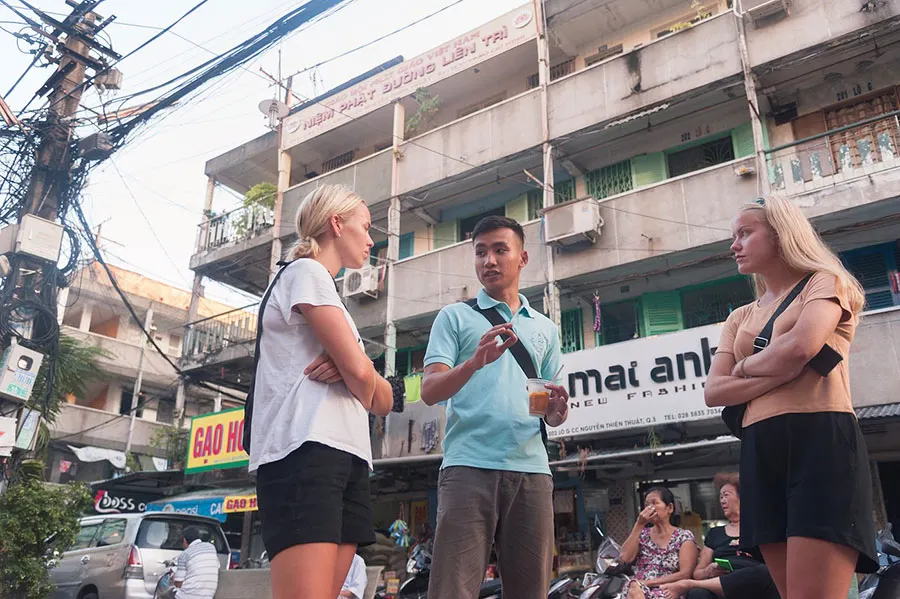
A knowledgeable guide can identify unfamiliar herbs, translate conversations and connect market ingredients to finished dishes. They also help visitors navigate confidently without interrupting vendors during busy periods.
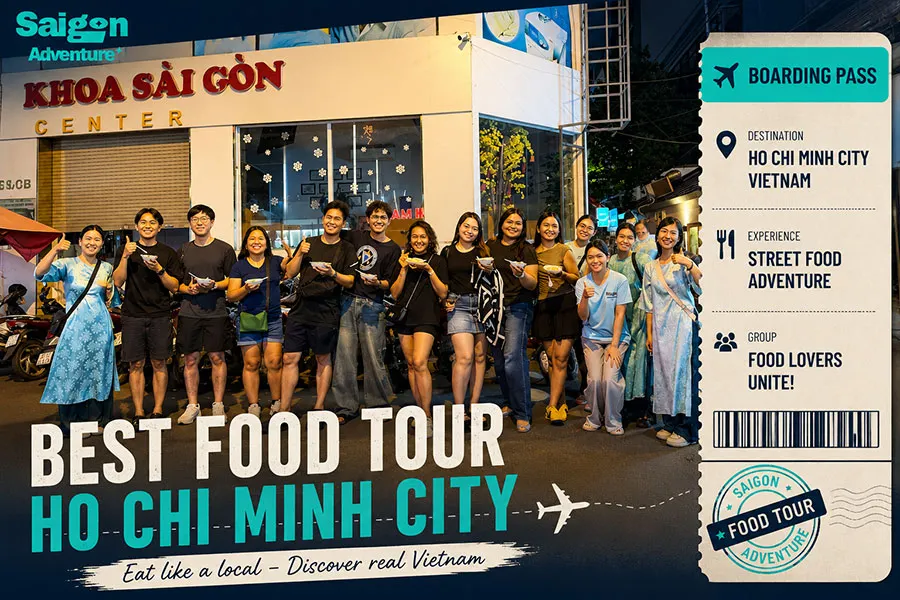
A daytime market visit pairs particularly well with a food tour in Ho Chi Minh City. Instead of simply seeing baskets of ingredients, travelers learn how those ingredients become the street foods served across Saigon.
Visitors who prefer a slower pace can choose a Ho Chi Minh City street food walking tour. Those interested in reaching several residential districts may enjoy a Saigon street food tour by motorbike.
See the Saigon That Begins Before Breakfast
Saigon’s traditional wet markets are not displays created for travelers. They are working spaces where ingredients change hands, family recipes begin and relationships are renewed every morning.
Come early enough and you will remember more than the colors. You will remember the scent of basil crushed between a vendor’s fingers, the tap of chopsticks against a breakfast bowl and the effortless way shoppers move through aisles that initially seemed impossible to navigate.
Join Saigon Adventure to explore the city with people who understand its food and neighborhoods from the inside. A local guide can turn an unfamiliar market into a meaningful introduction to how Saigon shops, cooks and eats.
Frequently Asked Questions About Saigon Traditional Wet Markets
What is a traditional wet market in Vietnam?
A traditional wet market sells fresh produce, meat, seafood, herbs, noodles and everyday household goods. The term “wet” is associated with the water frequently used to clean food-preparation areas and keep seafood or produce fresh.
Are Saigon’s wet markets safe for tourists?
They are generally approachable with normal city precautions. Keep valuables secure, watch for motorbikes, wear non-slip shoes and take extra care around seafood sections or wet floors.
Which Saigon wet market is best for first-time visitors?
Tân Định Market is convenient and varied, while Bà Chiểu offers a stronger neighborhood atmosphere. Bình Tây is a better choice for travelers interested in Chợ Lớn, architecture and wholesale trade.
What can travelers buy at a wet market in Ho Chi Minh City?
Travelers can buy tropical fruit, local snacks, coffee, spices, dried ingredients and prepared meals. Fresh meat or seafood is less practical unless they have access to a kitchen.
What time should tourists visit a traditional market in Saigon?
Between approximately 6:00 and 8:00 a.m. is ideal for fresh produce and active local life. Travelers who prefer fewer crowds can arrive later, although some morning vendors may already be closing.
Can tourists take photographs inside local markets?
Yes, but permission should be requested before taking close portraits or photographing sensitive food-preparation scenes. Do not block aisles, interrupt transactions or photograph people after they decline.
Do visitors need a guide to explore a Saigon wet market?
A guide is not essential, but local knowledge adds considerable value. Guides can explain unfamiliar ingredients, help with communication and introduce appropriate foods that visitors might otherwise overlook.