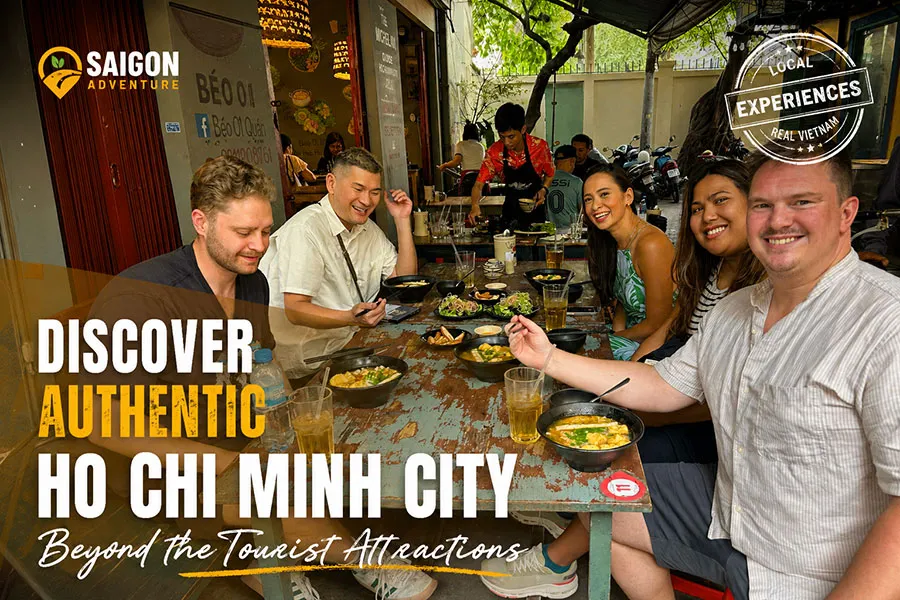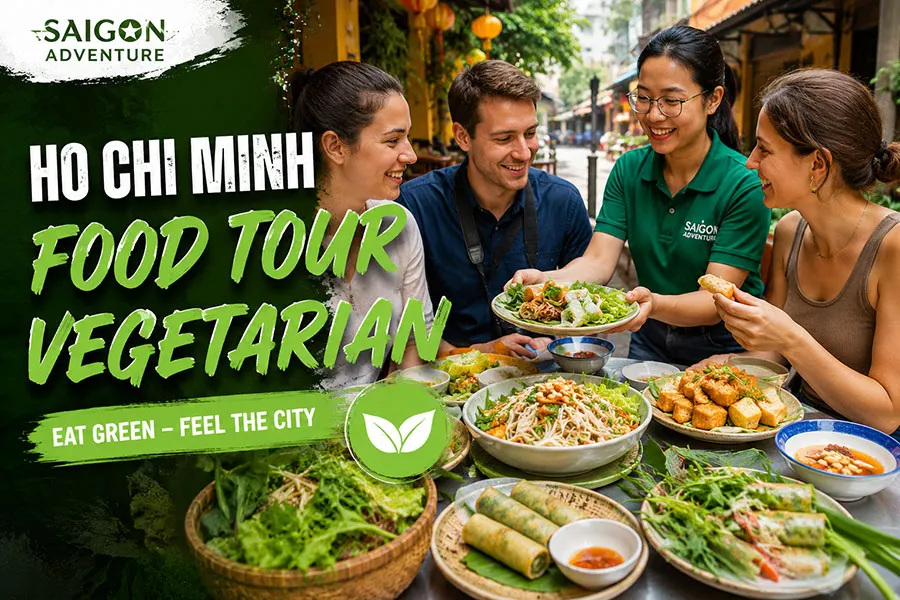
Breakfast in Da Nang is often warm, savory and filling. Before offices and schools settle into the day, small family-run eateries serve bowls of mì Quảng, bún chả cá, bánh canh and bún bò, while busy commuters pick up bánh mì or xôi to eat on the move.
This Da Nang breakfast guide explains what locals commonly eat, how to choose a suitable dish and why exploring the city before 9 AM can reveal a side of Da Nang that hotel buffets rarely capture. You do not need an elaborate food itinerary—just an early start, a little curiosity and enough appetite for something more substantial than coffee and pastries.

Why Breakfast in Da Nang Starts Early
Da Nang’s morning food culture follows the rhythm of everyday life. Workers want a satisfying meal before beginning their shifts, students need something quick before class, and families often visit familiar neighborhood eateries where the menu has remained focused for years.
Many breakfast stalls specialize in one main dish rather than offering a long menu. A busy mì Quảng shop may prepare its noodles, broth, herbs and toppings before sunrise, then serve continuously through the morning rush.
This does not mean everyone in Da Nang eats before 9 AM or that every breakfast shop closes afterward. However, arriving early usually gives travelers more choice, fresher batches and a clearer view of how local breakfast service works. Popular toppings or specific dishes may become unavailable after the busiest period.
Eating early also leaves time for coffee, a market visit or a full morning of sightseeing before the heat becomes more noticeable.
Local Breakfast Versus a Hotel Buffet
A hotel buffet offers comfort, variety and predictable service. It is convenient when traveling with children, managing dietary restrictions or leaving for an early tour.
A neighborhood breakfast provides a different experience. Instead of moving between multiple buffet stations, you sit down for a dish that a small kitchen may have prepared hundreds of times. The menu is shorter, the setting is simpler and the pace reflects the working city outside.
Local breakfasts are not automatically better than hotel meals, but they reveal more about Da Nang’s daily habits. A bowl of noodles eaten beside office workers or a bánh mì collected from a busy street-side counter can make the morning feel connected to the city rather than separated from it.
Travelers interested in the wider culture surrounding informal dining can also discover why street food in Vietnam is so famous.
What Do Locals Eat for Breakfast in Da Nang?
Mì Quảng
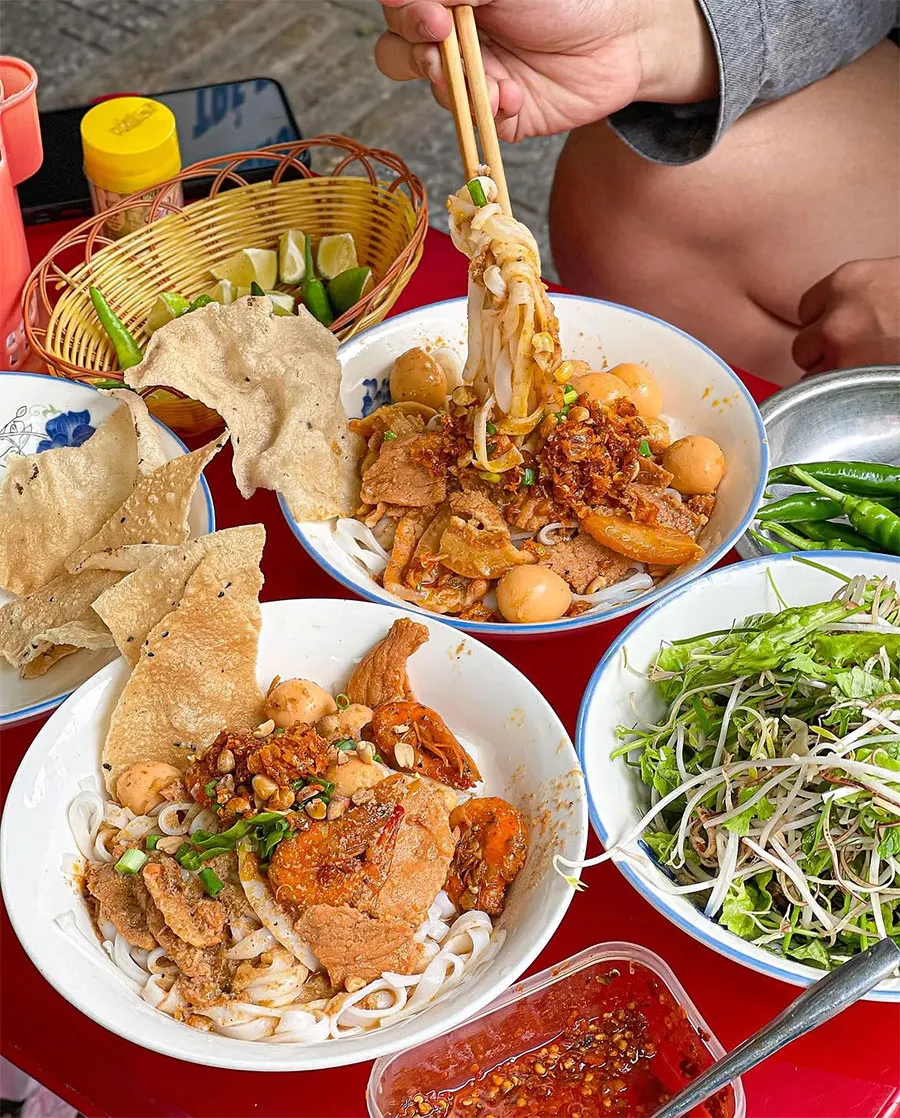
Mì Quảng is one of the most recognizable dishes associated with central Vietnam. It combines broad rice noodles with a relatively small amount of concentrated broth, fresh herbs, peanuts and crisp rice cracker.
Toppings vary between eateries and may include chicken, pork, shrimp, egg or other ingredients. Do not assume every bowl follows the same recipe, particularly if you have seafood allergies or dietary restrictions.
Mì Quảng suits travelers who want a filling breakfast without eating a large bowl of soup. Its combination of soft noodles, crunchy toppings, herbs and rich broth creates several textures in one dish.
If you dislike spicy food, ask for chili to be served separately and taste the broth before adding any condiments.
Bún Chả Cá
Bún chả cá is an approachable option for a first breakfast in Da Nang. It usually combines rice vermicelli, fish cake and a hot, savory broth, although the vegetables, garnishes and additional ingredients can vary.
The flavor can feel lighter than that of richer meat-based noodle soups, while the warm broth makes it satisfying enough for an active morning. Ask what the broth contains if you have a fish or seafood allergy, as removing the visible fish cake may not make the dish suitable.
This is a good choice for visitors who want a comforting noodle soup but are not ready for an especially heavy or strongly spiced breakfast.
Bánh Mì
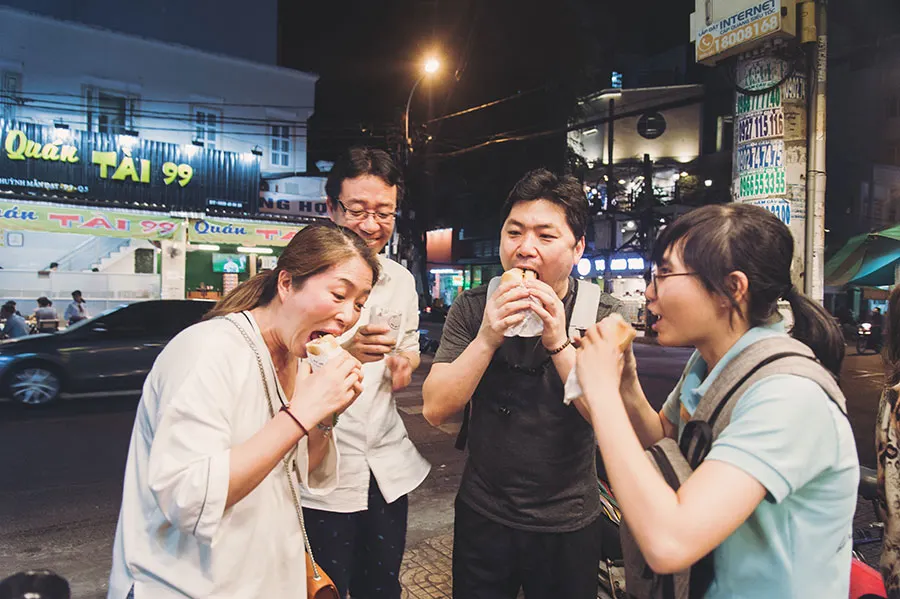
Bánh mì is practical when you need to leave early or do not want to sit down for a full bowl of noodles. Fillings can include meat, Vietnamese cold cuts, egg, pâté, vegetables, herbs and sauces, depending on the vendor.
Because each stall has its own combination, point to the ingredients you want or ask what is included before ordering. Requesting no chili does not necessarily remove every spicy sauce, so mention both if you are sensitive to heat.
A bánh mì is easy to carry, but it is best eaten soon after preparation while the bread remains crisp and the filling is fresh.
Bánh Canh
Bánh canh is known for its thick noodles and hot broth. Different versions may use different meats, fish, crab or other seafood, so the name alone does not tell you everything inside the bowl.
The thick noodles make bánh canh feel substantial and comforting. It can be a good option for travelers who prefer a smooth, filling texture rather than the broader noodles and limited broth of mì Quảng.
Look at nearby bowls or ask the server about the main topping before ordering. This simple step helps prevent confusion, especially at a shop with several bánh canh variations.
Bún Bò
Bún bò is a stronger, more aromatic breakfast for travelers who enjoy bold broth and a generous bowl of noodles. Da Nang eateries may prepare it according to their own local style, so it should not automatically be treated as identical to every version served in Huế.
This dish is particularly suitable before a long sightseeing day, but the seasoning and chili can be intense for some first-time visitors. Ask for “ít cay” for less spice or “không cay” if you want it without added chili.
Remember that chili paste may be provided separately. Add it gradually rather than mixing in a full spoon before tasting the broth.
Savory or Sweet Xôi
Xôi, or sticky rice, works well for travelers seeking a compact breakfast with a flexible portion. Savory versions may include ingredients such as meat, egg or fried shallots, while sweet versions use different toppings and flavor combinations.
It is easy to take away and can be less complicated than ordering noodle soup in a crowded shop. However, sticky rice can be more filling than its size suggests, so begin with a modest portion if you plan to try another dish later.
Bánh Bèo, Bánh Nậm and Bánh Bột Lọc
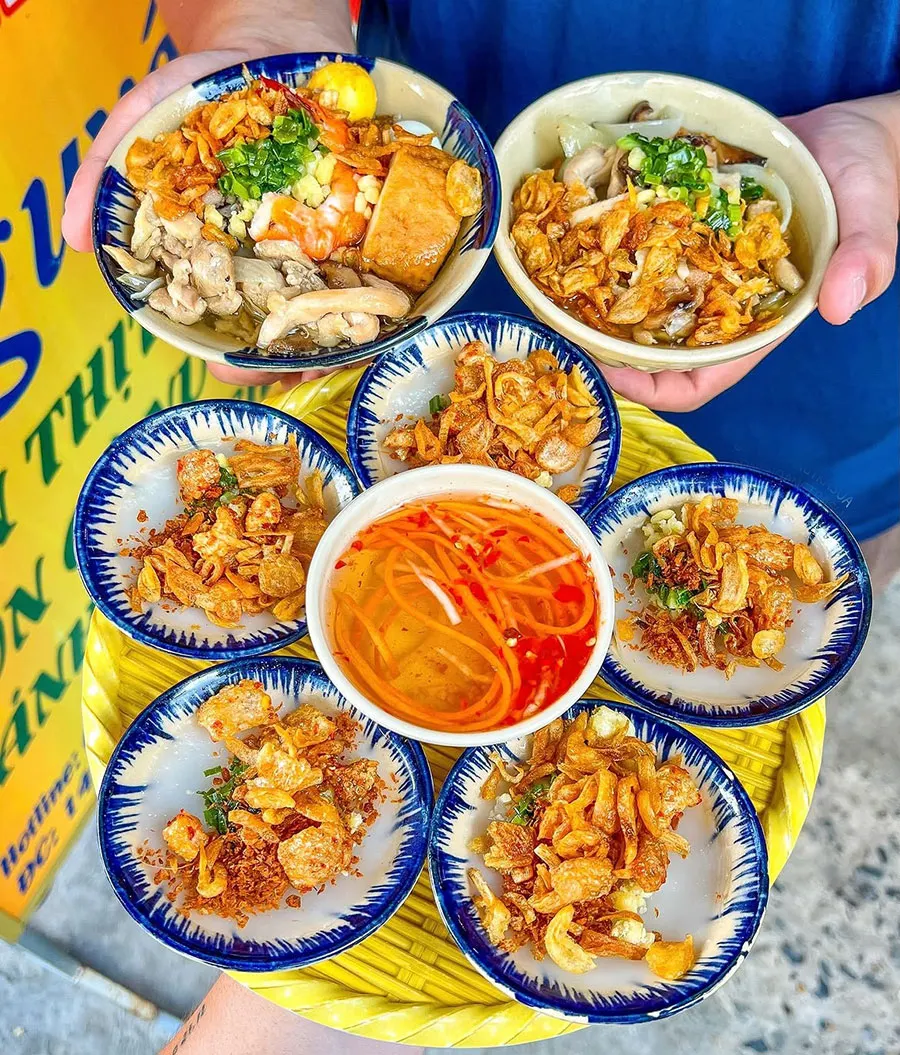
Central Vietnamese steamed and tapioca-based cakes may appear as a light breakfast, snack or additional dish. Bánh bèo is served in small portions, bánh nậm is typically wrapped before steaming, and bánh bột lọc has a pleasantly chewy texture.
These dishes are useful for sharing because travelers can sample several flavors without ordering multiple large bowls. They should not be described as the daily breakfast of every Da Nang resident, but they add variety to a morning food route.
Check the toppings and dipping sauce if you avoid shrimp, pork or fish sauce.
Which Breakfast Is Right for You?
First-time visitors often find bún chả cá or bánh mì the easiest starting points. Both are familiar in structure: one is a warm noodle soup, while the other is a convenient filled sandwich.
For a more distinctive central Vietnamese experience, choose mì Quảng. Travelers wanting a hearty breakfast for several hours of sightseeing may prefer mì Quảng, bánh canh or bún bò.
Bánh mì and xôi are practical for an early departure. Bánh bèo, bánh nậm and bánh bột lọc are better suited to a lighter breakfast or a shared second stop.
Avoid ordering several full-sized noodle bowls at once. Sharing dishes, when practical, allows you to experience more flavors without becoming too full early in the day.
How to Recognize a Breakfast Shop Worth Trying
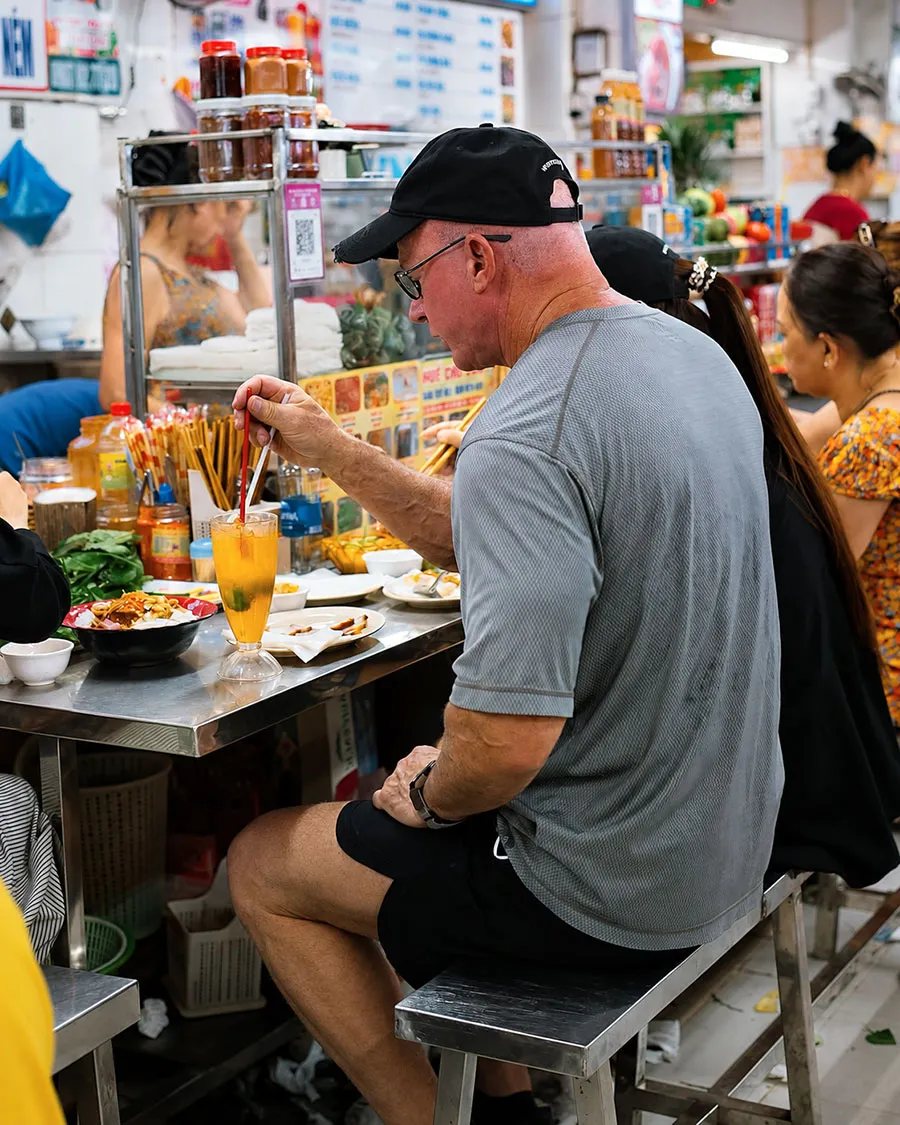
A long queue is not the only sign of a good breakfast shop. Look for a steady flow of local customers, ingredients being replenished and food prepared continuously rather than left sitting for extended periods.
A focused menu can be encouraging. Shops specializing in one dish often build their morning routine around preparing and serving that dish efficiently.
Choose places where hot food is served hot and the visible preparation area appears reasonably organized. No street stall or restaurant can be guaranteed completely safe, but observing turnover, cleanliness and handling practices helps you make a more informed choice.
If there is no clear price board, ask the price before ordering. Confirm the cost again before requesting extra meat, seafood, eggs or other special toppings.
How to Order and Manage Dietary Needs
If you are unsure what to order, look at the dishes on nearby tables and politely point to the one that appeals to you. This is often easier than trying to translate an entire menu during a busy breakfast service.
Useful requests include:
- “Không cay” — not spicy
- “Ít cay” — less spicy
- “Không thịt” — no meat
- “Tôi dị ứng hải sản” — I am allergic to seafood
Vegetarian diners should ask about the broth, sauce and toppings rather than relying only on the absence of visible meat. A noodle bowl containing vegetables may still use meat, fish or seafood stock.
People with serious allergies need particular care because shared utensils and preparation surfaces may be used. Clearly explain the allergy and choose another dish if the ingredients cannot be confirmed.
Children and older travelers can also enjoy a local breakfast. Select a familiar, mild dish, request less spice and check the temperature of hot broth before eating.
Build a Simple Da Nang Morning Route
Begin breakfast between the early morning rush and 9 AM so you can observe the city waking up without feeling pressured. Choose one main dish, then finish with Vietnamese coffee at a nearby café.
Cà phê sữa đá offers a sweet, strong combination of coffee and condensed milk, while cà phê đen provides a more direct coffee flavor. For many people who need a filling morning meal, coffee complements breakfast rather than replacing it.
Afterward, continue to a local market, walk along the river or begin a city sightseeing route. If you visit Con Market later, treat it as a separate food experience rather than repeating breakfast immediately after a large noodle bowl.
Carry small-denomination cash, avoid blocking narrow walkways and ask permission before photographing vendors closely. These small habits make busy local spaces more comfortable for everyone.
See Da Nang Before the Day Changes Pace
Eating breakfast before 9 AM lets you meet Da Nang during one of its most natural daily transitions. Small kitchens serve workers, students and families while coffee shops fill and the streets gradually move into the working day.
A bowl of mì Quảng or bún chả cá is more than fuel for sightseeing. It offers an accessible introduction to central Vietnamese flavors, neighborhood routines and the focused craft of cooks who may spend each morning preparing one signature dish.
Wake up early, step away from the hotel buffet and allow one local breakfast to set the rhythm for your day. For more journeys shaped by Vietnamese food and everyday culture, continue exploring Vietnam with Saigon Adventure.
Frequently Asked Questions
What is a typical breakfast in Da Nang?
Popular choices include mì Quảng, bún chả cá, bánh mì, bánh canh, bún bò and xôi. What people choose depends on their schedule, appetite and personal preference.
Do I have to eat breakfast before 9 AM?
No. Many places continue serving after 9 AM. However, arriving earlier often provides more choices and a better view of the city’s morning routine.
What is the best Da Nang breakfast for first-time visitors?
Bún chả cá is warm and approachable, while bánh mì is convenient and familiar. Mì Quảng is ideal for travelers wanting a more distinctive regional dish.
Which Da Nang breakfast is the most filling?
Mì Quảng, bánh canh and bún bò are generally suitable before a long morning. Portion size and toppings vary, so check the bowl before ordering additional food.
Can vegetarians find breakfast in Da Nang?
Vegetarian options are available, but diners should confirm whether the broth, sauce and toppings contain meat, fish or seafood products.
Is local breakfast suitable for children and older travelers?
Yes. Choose a mild dish, request less chili and allow hot soup to cool before eating. Bánh mì, xôi or a lightly seasoned noodle soup may be convenient starting points.
How can I find a good local breakfast shop?
Look for steady customer turnover, food cooked continuously, a focused menu and a reasonably tidy preparation area. Ask about ingredients and prices whenever they are unclear.