The best time to visit Ho Chi Minh City depends on what matters most to you. Some travelers want clear skies for sightseeing, while others prefer lower hotel prices, fewer tour groups or the excitement of a major Vietnamese festival.
For the most comfortable weather, plan your trip between December and March. These months are generally drier and less humid, making them ideal for exploring markets, landmarks and local neighborhoods. The trade-off is higher demand, especially around Christmas, New Year and Tet.
May, June and November are good alternatives for travelers who do not mind occasional rain. You may find better-value accommodation and a more relaxed atmosphere while still having plenty of time to explore.
Here is how Ho Chi Minh City’s weather, festivals and tourist seasons can affect your trip.

What Is the Best Time to Visit Ho Chi Minh City?
For most first-time visitors, December through March offers the best overall conditions. Rainfall is usually limited, humidity feels more manageable and evenings are pleasant enough for street-food tours or outdoor dining.
January and February are particularly comfortable. However, the Lunar New Year holiday can fall during this period, changing business hours and increasing domestic travel.
Travelers who want fewer crowds should consider May, June or November. Tropical showers become more common, but they are often short and arrive in the afternoon. With a flexible itinerary, the rainy season does not have to disrupt your holiday.
September and October are usually quieter but wetter. These months can suit budget-conscious visitors who are happy to alternate outdoor attractions with cafés, museums and covered markets.
Understanding Ho Chi Minh City’s Weather
Ho Chi Minh City has a tropical climate and stays warm throughout the year. Daytime temperatures commonly range from about 30°C to 35°C, although humidity can make the weather feel hotter.
Instead of four distinct seasons, the city has two main periods:
- Dry season: December to April
- Rainy season: May to November
These dates are only a general guide. Rain can arrive during the dry season, while the wettest months still have bright and sunny periods.
For international travelers, humidity is often more noticeable than temperature. Lightweight clothing, sunscreen, comfortable shoes and regular water breaks are useful in every season.

Ho Chi Minh City During the Dry Season
December to February: The Most Comfortable Months
December, January and February usually provide the most pleasant weather in Saigon. Rain is less frequent, mornings can feel relatively fresh and evenings are comfortable for exploring the city after dark.
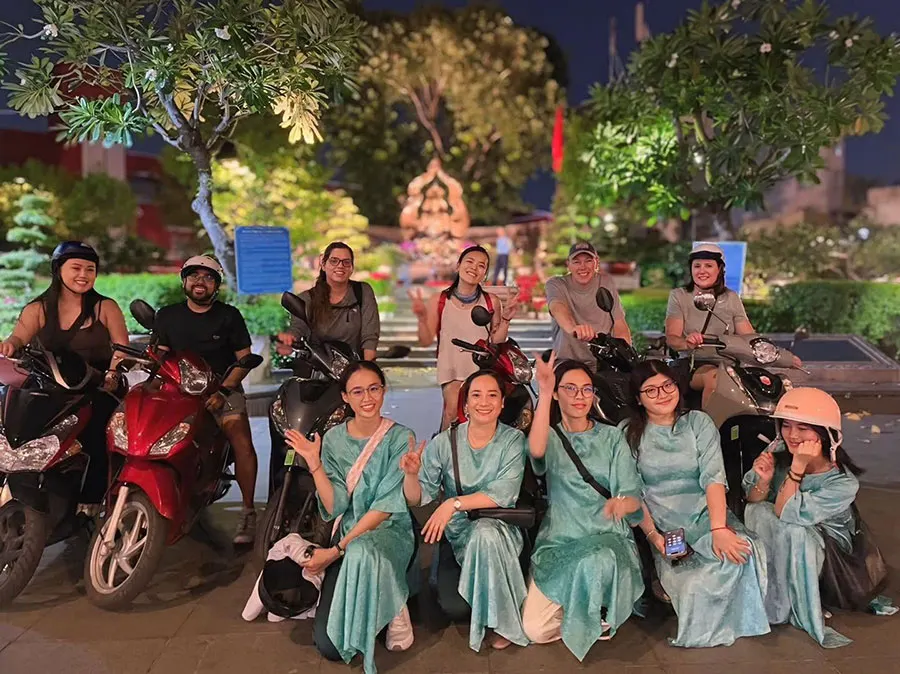
This is an excellent period for visiting the Central Post Office, Independence Palace, Cholon and traditional markets. It is also ideal for joining a Ho Chi Minh City motorbike tour, as the predictable weather allows more time to explore local districts beyond the usual tourist center.
However, this is peak season. Popular hotels, attractions and small-group tours may fill quickly. Booking early is especially important from late December through February.
March and April: Sunny but Hotter
March remains relatively dry, but temperatures begin to rise. It can be a good month for travelers who enjoy sunny days and want to visit after the busiest year-end period.
April is often one of the hottest months in Ho Chi Minh City. Long walks at midday can become tiring, so plan outdoor attractions in the morning and save museums, cafés or shopping centers for the hottest part of the day.
The April 30 and May 1 public holiday period is popular for domestic travel. Flights, buses and nearby destinations may be busier than usual.
Should You Visit During the Rainy Season?
The rainy season lasts roughly from May to November, but it does not normally mean non-stop rain. A typical day may begin with sunshine before a strong afternoon shower arrives and disappears within an hour or two.
May and June offer a reasonable balance between manageable rain and fewer visitors. July through October are generally wetter, with occasional localized flooding after intense storms. November is a transitional month and is often one of the best choices for travelers seeking lower crowds without experiencing the heaviest rain.
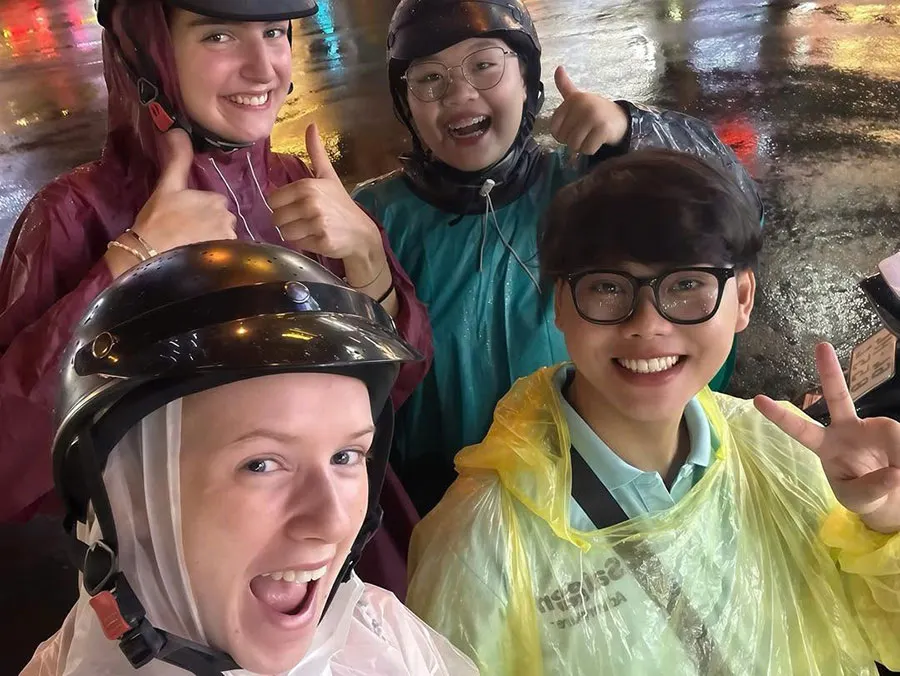
During a shower, locals simply stop at a café, market or covered food stall and continue once the rain eases. Following the same rhythm can make rainy-season travel surprisingly enjoyable.
Carry a compact poncho, waterproof phone pouch and quick-drying footwear. Avoid planning tight connections immediately after heavy rain, as traffic may move more slowly.
Ho Chi Minh City Weather by Month
| Month | Typical weather | Crowd level | Best for |
|---|---|---|---|
| January | Dry and comfortable | High | Sightseeing and day trips |
| February | Mostly dry and warm | Medium–high | Festivals and cultural experiences |
| March | Sunny and increasingly hot | Medium | Outdoor tours and photography |
| April | Very hot with occasional storms | Medium–high | Early-morning activities |
| May | Hot with increasing rain | Medium | Better prices and fewer groups |
| June | Humid with short showers | Low–medium | Flexible city exploration |
| July | Warm and frequently wet | Medium | Museums, markets and food |
| August | Regular tropical rain | Medium | Cultural and indoor attractions |
| September | Often wet and humid | Low–medium | Budget-conscious travel |
| October | Frequent rain begins to ease | Medium | Quieter local experiences |
| November | Improving weather | Medium | Shoulder-season travel |
| December | Dry, festive and pleasant | High | First-time visitors |
Weather varies from year to year. Check the hourly forecast before outdoor activities rather than relying only on a daily rain symbol, which may represent a short shower rather than an entire wet day.
Festivals That Can Shape Your Visit
Tet: Vietnamese Lunar New Year
Tet is Vietnam’s most important celebration and usually takes place between late January and mid-February. Its exact date changes according to the lunar calendar.
In the weeks leading up to Tet, Ho Chi Minh City becomes colorful and energetic. Flower markets appear across the city, homes are decorated and Nguyen Hue Flower Street attracts thousands of visitors.
The main holiday can feel quieter because many residents return to their hometowns. Some family-run restaurants and small businesses close temporarily, while tourist attractions may operate with adjusted hours. Confirm reservations and opening times in advance.
Reunification Day
Reunification Day takes place on April 30, followed by International Workers’ Day on May 1. Flags and public displays appear throughout the city, and many Vietnamese families use the holiday break to travel.
The atmosphere is lively, but airports, bus stations and popular destinations may be crowded. Book transportation early if you plan to combine the city with a Mekong Delta tour from Ho Chi Minh City.
Mid-Autumn Festival
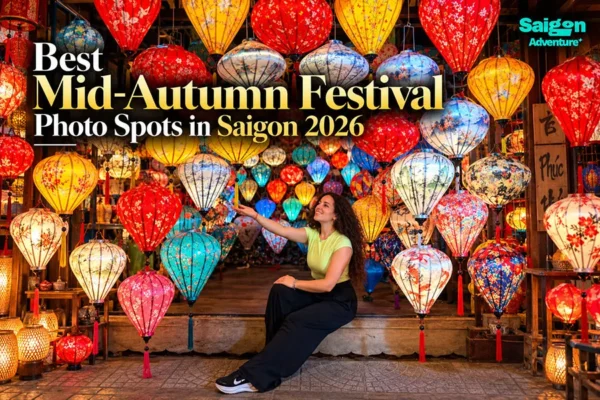
The Mid-Autumn Festival usually falls in September or October. District 5 becomes especially atmospheric as lantern shops, mooncake displays and family celebrations brighten the streets.
Luong Nhu Hoc Street is a popular place to see lanterns, but evenings near the festival can be crowded. Visit slightly earlier in the day if you want more space for photographs.
Christmas and New Year
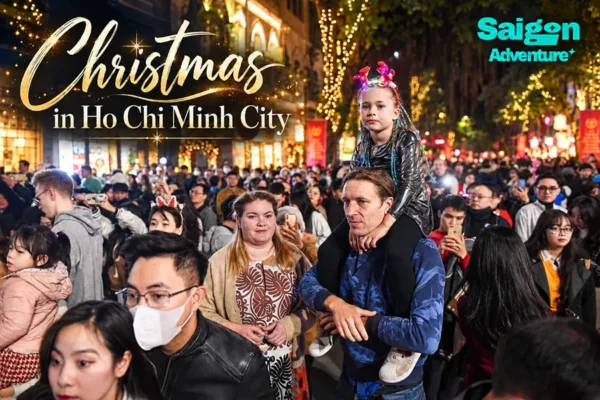
Although Christmas is not a traditional Vietnamese public holiday, it is celebrated enthusiastically in central Ho Chi Minh City. Shopping centers, churches and hotels display elaborate decorations.
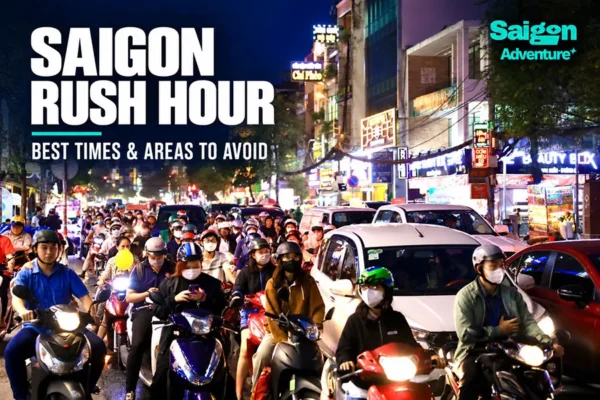
District 1 becomes extremely busy on Christmas Eve and New Year’s Eve. Expect slower traffic, crowded walking streets and possible road restrictions.
When Is Ho Chi Minh City Least Crowded?
September and October are often among the least crowded months because of heavier rainfall. Accommodation may cost less, and major attractions can feel calmer on weekdays.
May, June and November provide a more balanced option. There will probably be some rain, but visitor numbers are generally more manageable than during the peak dry season.
You can also avoid crowds without changing your travel dates. Visit major landmarks soon after they open, explore on weekdays and spend time outside central District 1.
Districts 3, 5 and 10 offer historic streets, local markets and outstanding food with fewer international tour groups. Travelers who enjoy discovering the city on foot can explore these neighborhoods through Ho Chi Minh City walking tours led by local guides.
Best Time for Popular Ho Chi Minh City Experiences
Food and Night Tours
Food tours operate throughout the year. Dry-season evenings are convenient, while rainy-season streets often feel cooler and become beautifully reflective under neon lights.
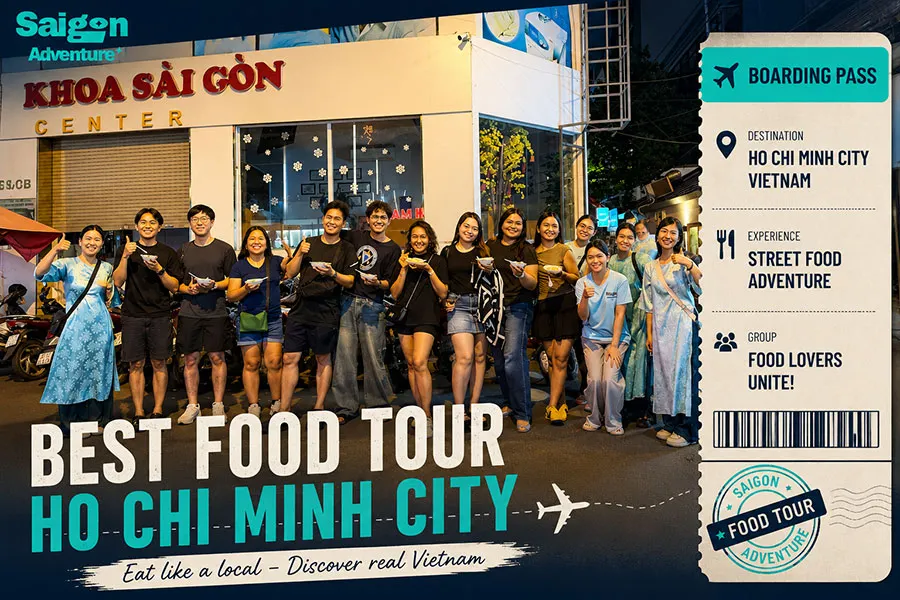
A guided food tour in Ho Chi Minh City is a practical way to reach family-run eateries and local districts that first-time visitors might otherwise miss. Experienced guides can also adjust the route when tropical rain appears.
Cu Chi Tunnels
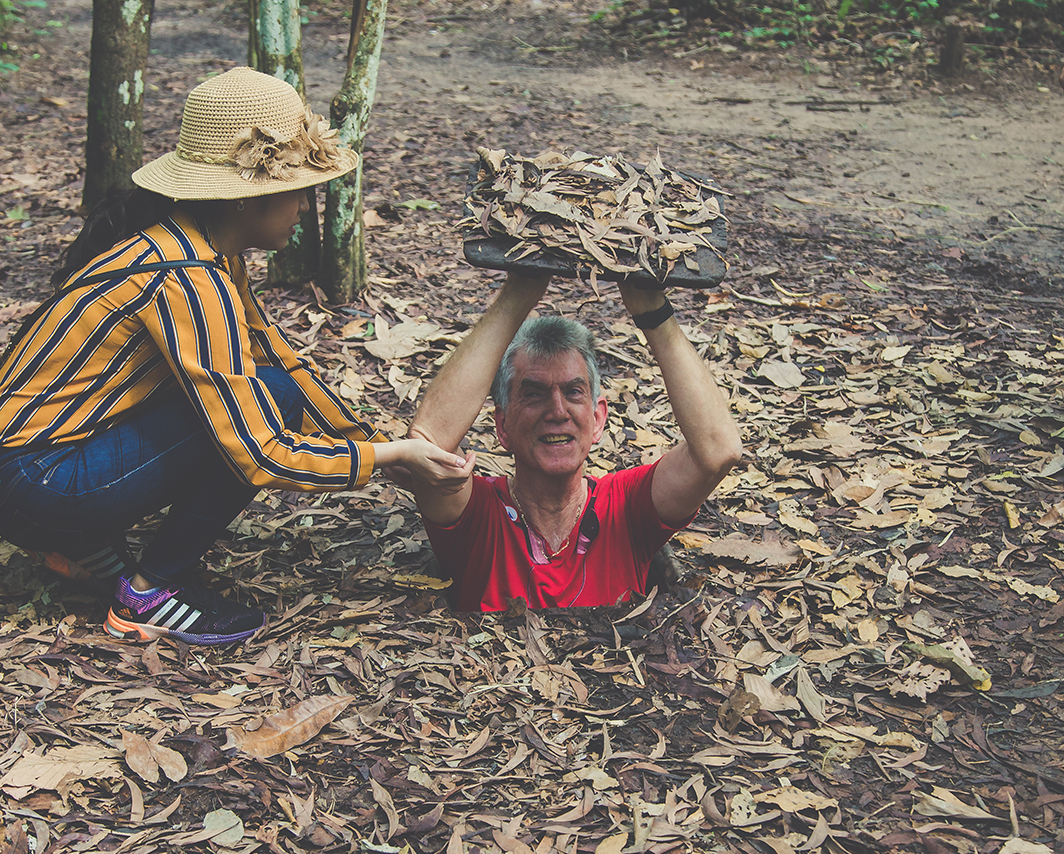
December through March provides comfortable conditions for visiting the tunnels. During March and April, an early departure helps you avoid the strongest afternoon heat.
Forest paths can become muddy during the rainy season, but the site remains accessible on most days. Choose a well-planned Cu Chi Tunnels tour and bring footwear with a reliable grip.
Mekong Delta Trips
The Mekong Delta can be visited year-round. The dry season is convenient for cycling, village walks and boat rides, while the rainy season brings greener landscapes and fuller waterways.
December to February is popular for comfortable weather. From May to November, pack both rain protection and sunscreen, as conditions can change quickly.
Choosing the Right Season for Your Travel Style
Choose December through February if pleasant weather and easy sightseeing are your priorities. Select March if you want sunny days and can tolerate warmer afternoons.
Visit in May, June or November for a better balance of weather, prices and crowds. September and October are more suitable for flexible travelers who value quieter attractions and do not mind regular rain.
Tet is ideal for cultural atmosphere, but not for travelers who expect every restaurant and attraction to operate normally. Christmas and New Year suit visitors who enjoy busy streets, celebrations and nightlife.
No matter when you visit, leave some free space in your itinerary. Ho Chi Minh City often becomes most memorable when an unexpected rain shower leads you into a local café or a quiet alley reveals an excellent family-run food stall.
Explore Saigon in Every Season
The dry season may offer the easiest weather, but Ho Chi Minh City remains exciting throughout the year. Sunny months are convenient for sightseeing, while the rainy season offers greener scenery, fewer crowds and a more local rhythm.
Choose the season that matches your travel style, prepare for tropical weather and keep your schedule flexible. When you are ready to go beyond the standard attractions, explore Saigon with local guides from Saigon Adventure and discover the city through its people, food and everyday neighborhoods.
Frequently Asked Questions
What is the best month to visit Ho Chi Minh City?
January is one of the best months because the weather is generally dry and relatively comfortable. February is also pleasant, although Tet can affect prices, transport and opening hours.
When is the rainy season in Ho Chi Minh City?
The rainy season usually lasts from May through November. Showers are often intense but short, so visitors can still enjoy several hours of sightseeing on most days.
What is the hottest month in Ho Chi Minh City?
April is typically one of the hottest months. Plan outdoor activities early in the morning, take indoor breaks around midday and drink water regularly.
Is Ho Chi Minh City worth visiting during the rainy season?
Yes. The city remains active, accommodation may be more affordable and attractions are often less crowded. Pack a lightweight poncho and allow some flexibility in your schedule.
How many days should I spend in Ho Chi Minh City?
Three to four days is enough for major landmarks, local neighborhoods and a food tour. Add one or two extra days for the Cu Chi Tunnels or Mekong Delta.
Is Ho Chi Minh City crowded during Tet?
The weeks before Tet are lively and crowded around flower markets and central displays. During the main holiday, some neighborhoods become quieter as residents travel home, but tourist areas can remain busy.
What should I pack for Ho Chi Minh City?
Bring breathable clothing, comfortable shoes, sunscreen, insect repellent and a reusable water bottle. During the rainy season, add a compact poncho and waterproof protection for electronics.