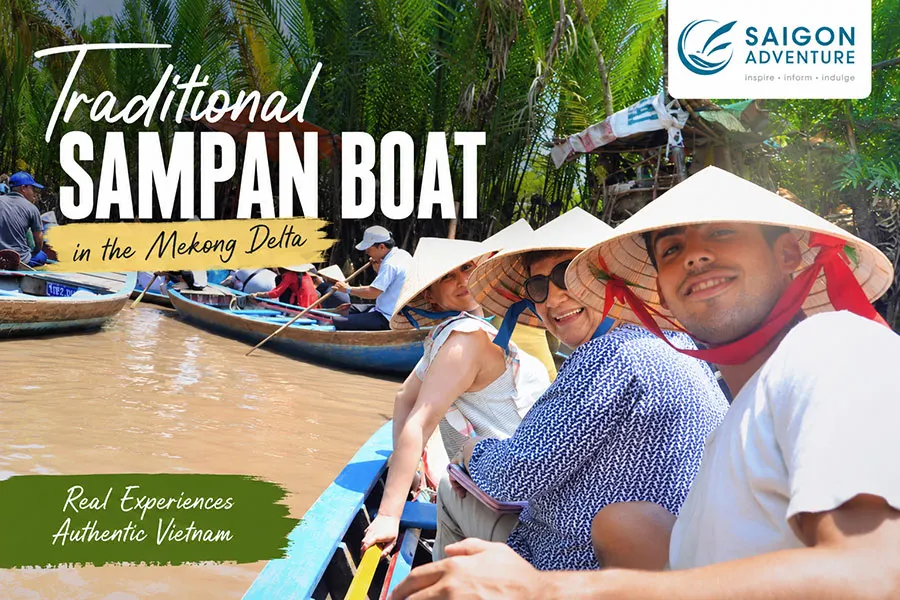
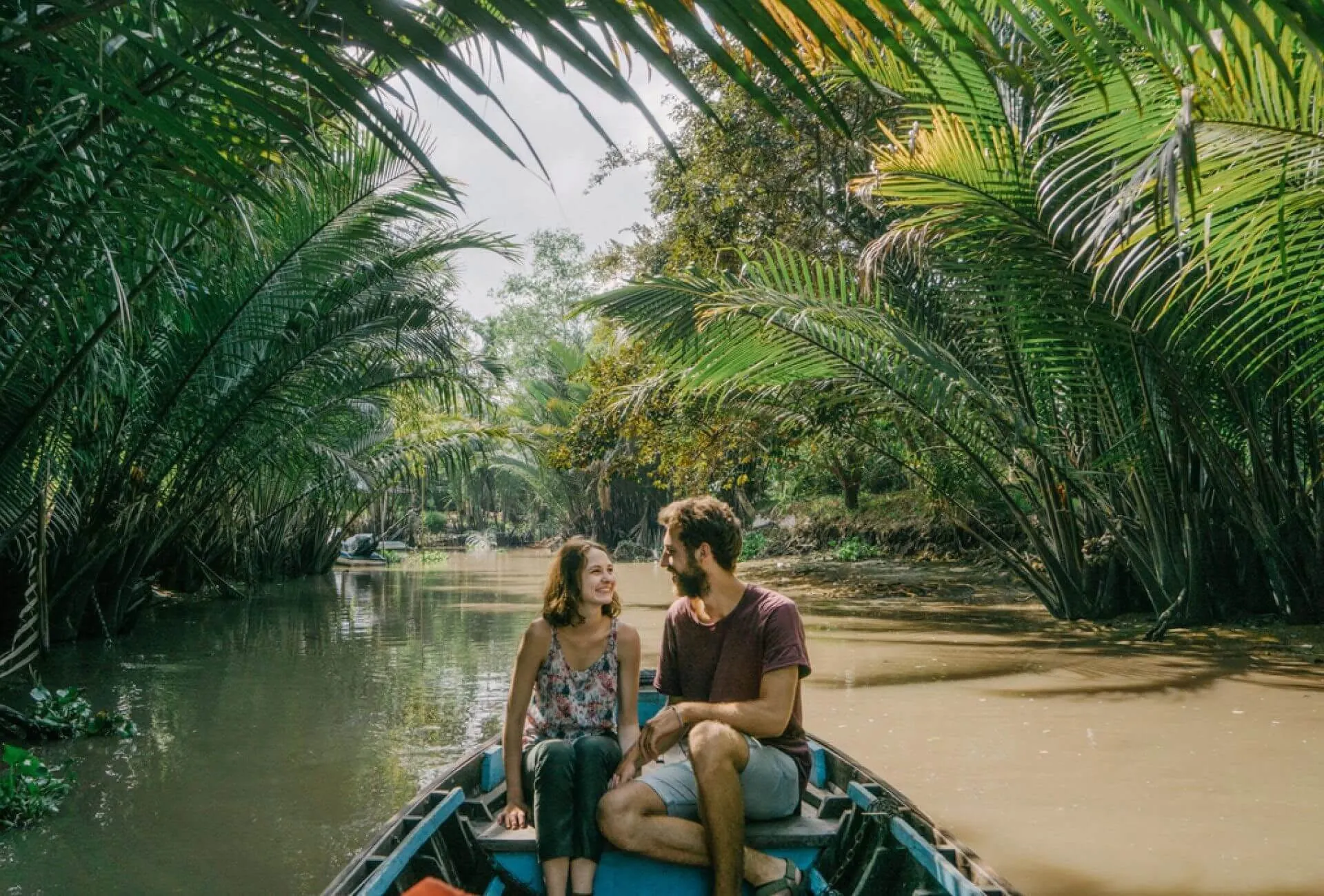
A sampan boat is a small boat used on rivers and sheltered waterways. In Vietnam’s Mekong Delta, many visitor itineraries include a hand-rowed sampan ride through narrow canals, bringing you close to water coconut palms and everyday riverside life.
Is a Mekong Delta sampan ride worth it? For travelers who enjoy gentle sightseeing and canal scenery, it can be a memorable part of the day. Popular routes can get busy, however, so choosing the right itinerary matters.
This guide explains where to ride a sampan, what to expect and what to check before booking. If you are traveling from Ho Chi Minh City, explore our Mekong Delta tour and check the itinerary for its sampan ride, river journey and local stops.
What Is a Traditional Sampan Boat?
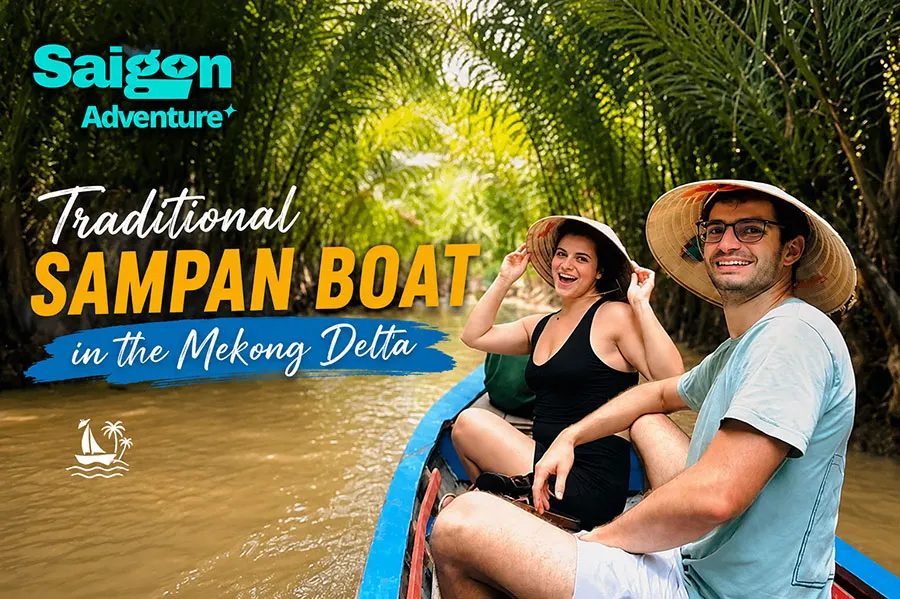
A sampan is a small boat used for transport, fishing and other activities on rivers and sheltered waterways. In the Mekong Delta, the hand-rowed sampans used on many sightseeing routes can enter narrow canals that larger tour boats cannot easily reach.
For visitors, a sampan boat ride means sitting close to the water while a local rower guides the boat through the canal. Seating is usually simple, and the experience focuses on the surrounding scenery rather than onboard facilities.
Not every sampan is hand-rowed: some use engines, and boat designs and passenger capacities vary. For your ride, follow the operator’s seating instructions and confirm that suitable life jackets are available before boarding.
Is a Mekong Delta sampan ride worth it?
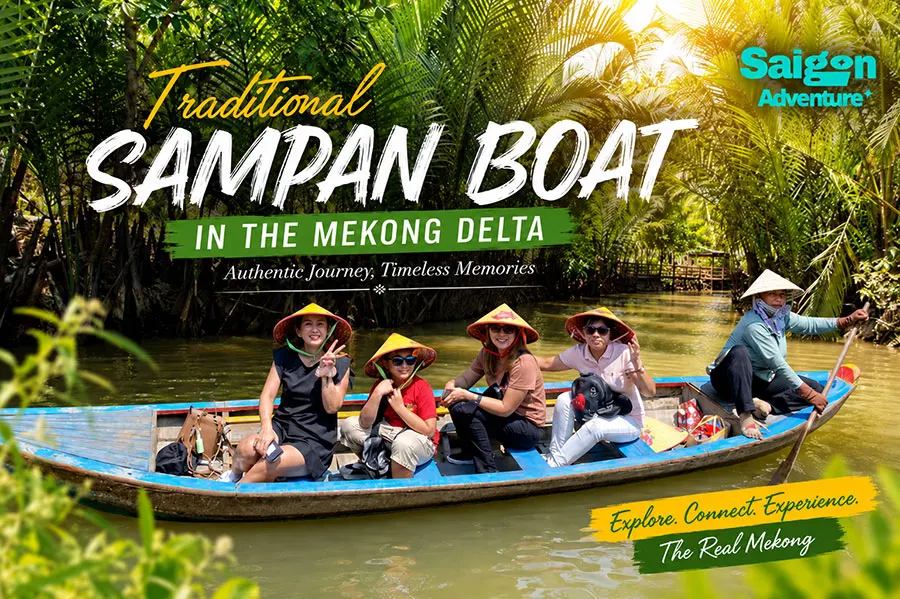
A Mekong Delta sampan ride is worth it if you enjoy gentle sightseeing, palm-lined canals and a slower pace. It offers a closer view of narrow waterways than the larger motorboats used on the main rivers.
However, popular canals can get crowded, and some routes mainly serve tour groups. Expect a short scenic activity rather than a secluded journey or a complete picture of local daily life.
For a quieter experience, ask your operator which canal the tour visits and when groups usually arrive. Choose an itinerary that suits you rather than relying only on descriptions such as “authentic” or “less touristy.”

Sampan Boat vs Motorboat: What Is the Difference?
Both sampan boats and motorboats are commonly used to explore the Mekong Delta, but they offer very different experiences.
A motorboat is better suited to wider rivers and longer distances, making it useful for traveling between islands, villages and riverside attractions. A traditional sampan is smaller and slower, allowing travelers to enter narrow canals and experience the waterways at a much closer level.
| Feature | Traditional Sampan | Motorboat |
|---|---|---|
| Typical waterway | Narrow canals | Wider rivers and channels |
| Speed | Slow | Faster |
| Movement | Often hand-rowed | Motorized |
| Atmosphere | Quiet and intimate | Broader river journey |
| Best for | Canal scenery and slow travel | Covering longer distances |
The two experiences actually complement each other. On many Mekong Delta trips, travelers first cross larger waterways by motorboat before switching to a sampan for the smaller canals.
If your goal is to experience the peaceful, narrow waterways often associated with the Mekong Delta, the traditional sampan ride is usually the more memorable part. The motorboat, however, is much more practical for seeing a larger area of the delta in a limited amount of time.
What Is a Sampan Boat Ride Actually Like?
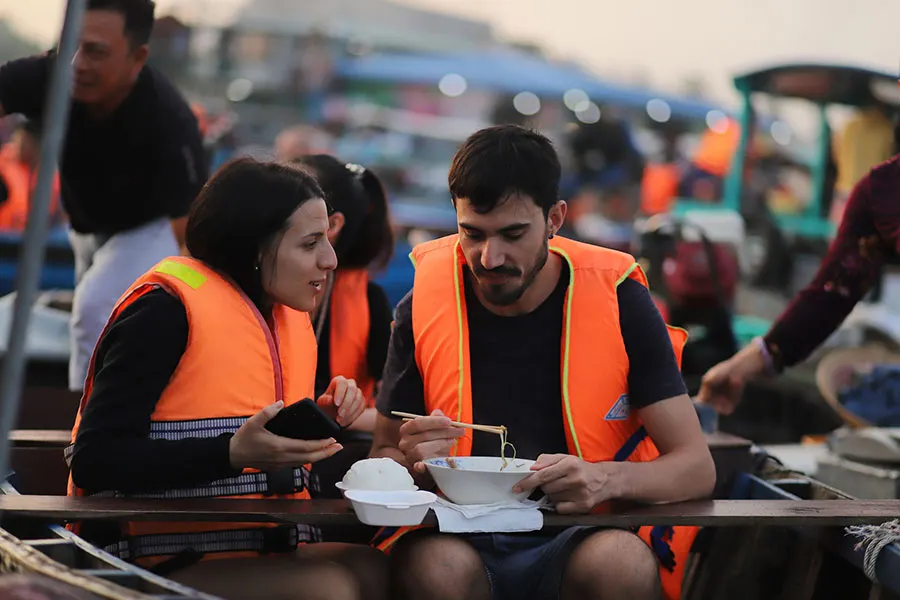
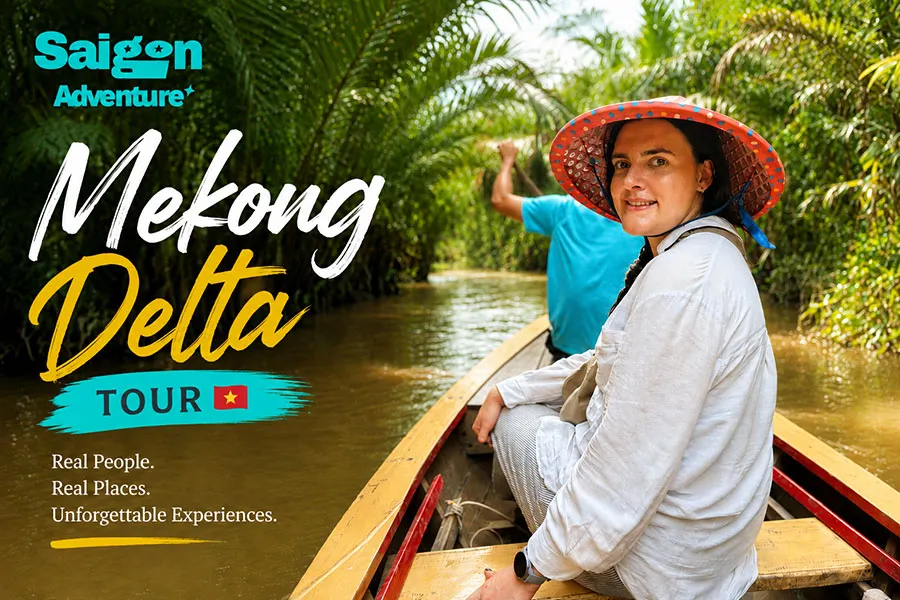
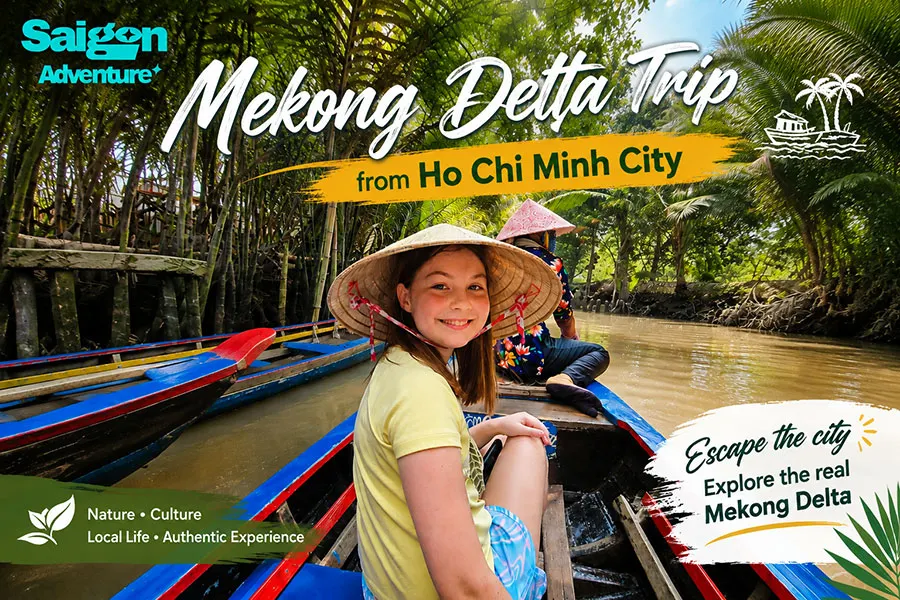
A sampan boat ride in Vietnam’s Mekong Delta takes you through narrow canals, often lined with water coconut palms. You sit close to the water while a local rower guides the boat past riverside vegetation, homes and other small boats.
Unlike the larger motorboat used on wider rivers, the sampan offers a slower, closer view of the canals. Seating is simple, with limited room to move around.
Popular routes can become crowded when tour groups arrive together. Expect scenic waterways rather than complete isolation, and ask your operator about quieter routes if that matters to you.
Where Are the Best Places for a Sampan Boat Ride in the Mekong Delta?
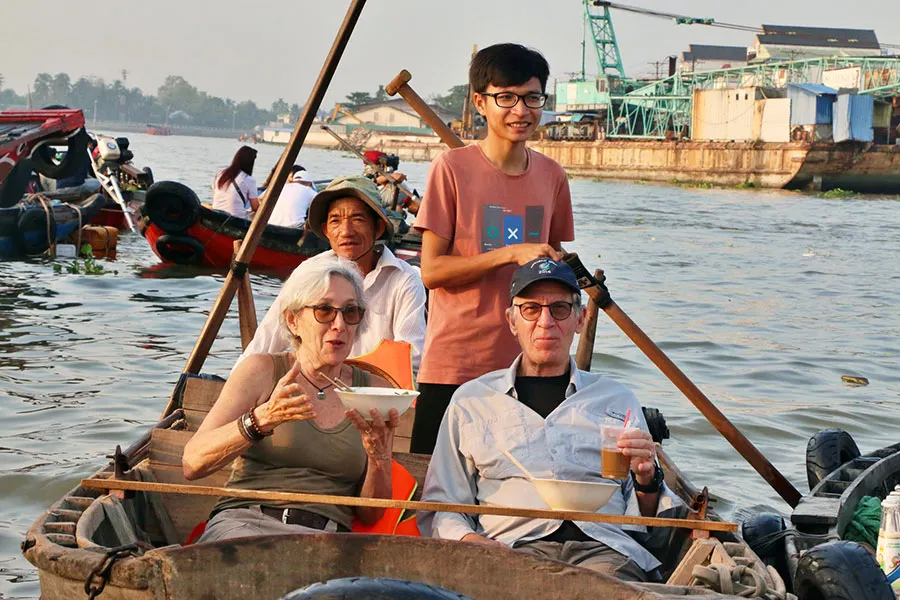
Travelers can experience sampan boat rides in several parts of the Mekong Delta, but the scenery and atmosphere vary depending on the destination. Some areas are convenient for day trips from Ho Chi Minh City, while others offer quieter waterways deeper in the delta.
Ben Tre – Coconut-Lined Canals
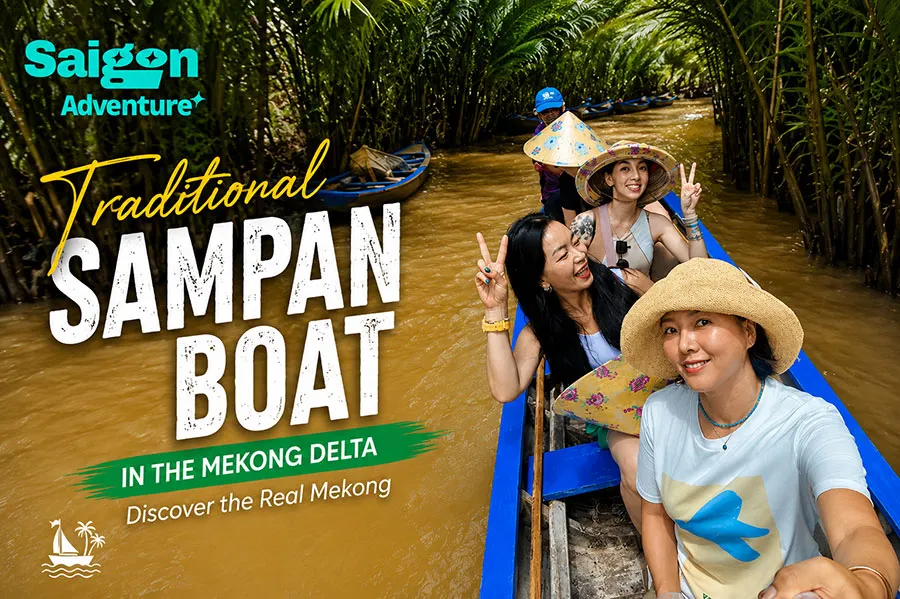
Ben Tre is one of the best-known places for a traditional sampan ride. The province is famous for coconut farming, and many waterways are lined with dense water coconut palms and tropical vegetation.
Small sampans can travel through narrow canals that feel very different from the wider Mekong River branches. Ben Tre is a particularly good choice for travelers who want coconut canal scenery, countryside landscapes and a slower river experience.
Travelers who want to experience these quieter waterways as part of a full-day itinerary can explore an authentic Mekong Delta tour in Ben Tre.
My Tho – Convenient for First-Time Visitors
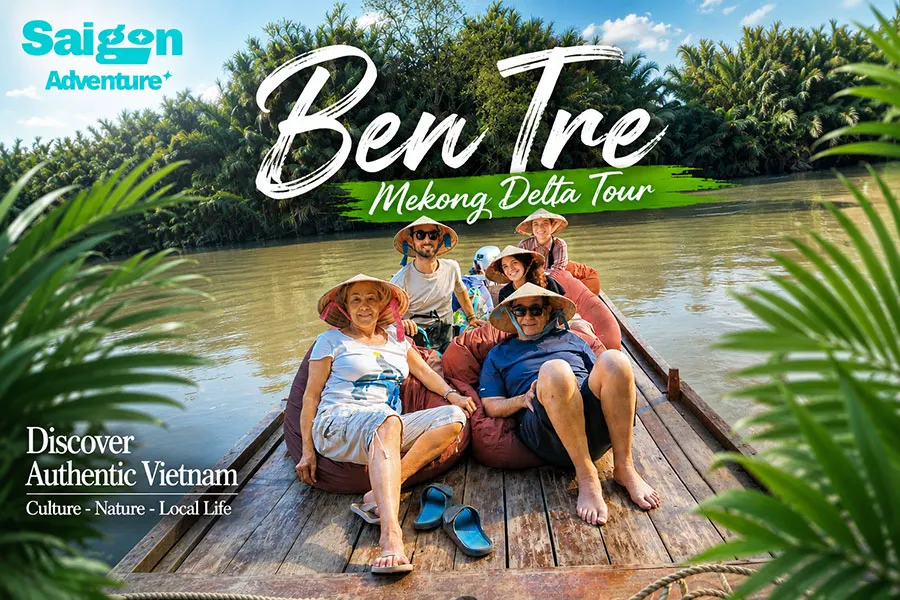
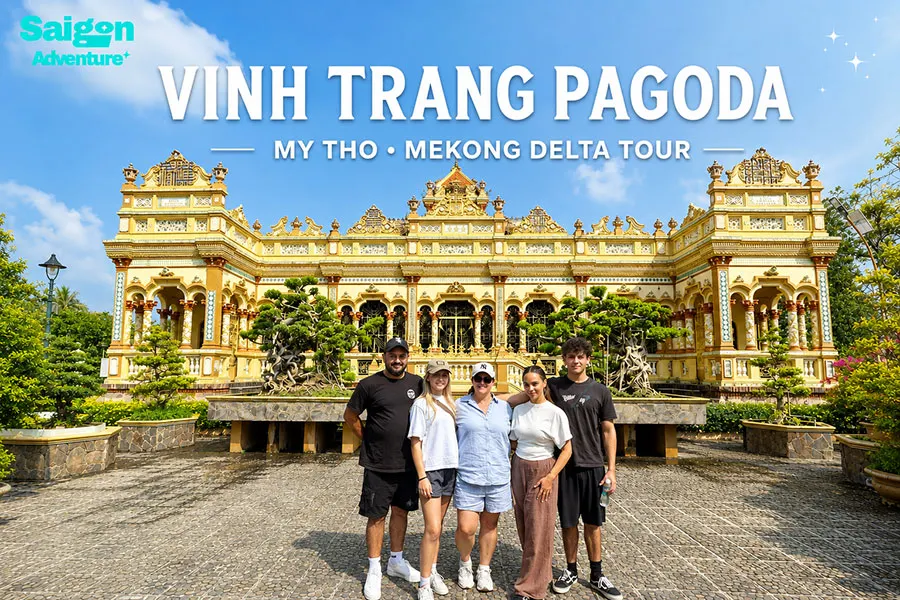
My Tho is a popular gateway to the Mekong Delta and is relatively convenient to reach from Ho Chi Minh City. Many day trips combine a larger boat journey around the nearby islands with a shorter hand-rowed sampan ride through narrow canals.
Because My Tho receives many visitors, some routes can feel busier than those deeper in the delta. However, its accessibility makes it a practical introduction for travelers with limited time.
Cai Be – Countryside and River Life
Cai Be offers a different atmosphere, with waterways surrounded by orchards, villages and agricultural landscapes. Sampan experiences here can be combined with visits to local communities and other activities connected with life along the river.
It can be a good option for travelers interested in seeing more of the Mekong Delta countryside rather than focusing only on a short canal ride.
Vinh Long – Quieter Waterways
Located between major branches of the Mekong River, Vinh Long is known for its islands, orchards and extensive network of smaller waterways.
Compared with some of the busiest day-trip areas, parts of Vinh Long can offer a quieter atmosphere. It is worth considering for travelers spending more time in the delta and looking to explore beyond the most common routes from Ho Chi Minh City.
There is no single “best” place for everyone. Ben Tre is particularly appealing for coconut-lined canals, My Tho for convenience, and Cai Be or Vinh Long for travelers who want to explore farther into the Mekong Delta.
How Long Does a Sampan Boat Ride Last?
Many hand-rowed sampan rides included in Mekong Delta day tours last around 15–30 minutes, depending on the canal route and local conditions. This is the sampan portion only, separate from the larger motorboat journey. Check the actual rowing time in your chosen itinerary before booking.

How Much Does a Mekong Delta Sampan Ride Cost?
There is no single fixed price for a Mekong Delta sampan ride. The cost depends on the route and whether you book a separate boat ride or a complete day tour.
Before booking, confirm whether the price includes a hand-rowed sampan through narrow canals. “Boat trip” may refer only to the larger motorboat journey.
For a separately arranged ride, agree on the total price, whether it is per person or per boat, the ride duration and any additional charges before boarding.
When Is the Best Time for a Sampan Boat Ride?
The best time for a sampan boat ride in the Mekong Delta is usually early morning or late afternoon, when temperatures are more comfortable and the light is softer.
- Morning (7:00–10:00 AM): Cooler weather and soft natural light
- Afternoon (3:00–5:30 PM): Warmer golden light, especially good for photography
- Dry season (December–April): Generally more comfortable weather for exploring the waterways
The rainy season does not necessarily mean you should avoid a sampan ride. Rain often comes in shorter tropical showers, although conditions can vary from day to day.
If possible, avoid the hottest part of midday, particularly during the warmer months.
What to Bring for a Sampan Boat Ride
Pack lightly so you can board easily and keep your belongings close without blocking the seating area. A few practical items will help you stay comfortable:
- A hat, sunscreen and sunglasses for exposed sections of the route.
- Light clothing and shoes with a secure grip for boarding.
- Drinking water for warm weather.
- A waterproof pouch or dry bag to protect your phone and valuables from rain or splashes.
- A lightweight raincoat if showers are forecast.
- Small amounts of Vietnamese dong for agreed extra charges or any voluntary tip.
Keep your phone secure when taking photographs and remain seated while the boat is moving. Leave bulky luggage with your transport provider only if safe storage has been arranged.
Are Sampan Boat Rides Safe?
Hand-rowed sampan rides usually move slowly, but a slow ride still requires basic safety precautions. Small boats can shift as passengers board or move around, so follow the rower’s instructions throughout the journey.
Confirm that a suitable life jacket is available for every passenger and wear it during the ride. Families should ask about child-sized life jackets before booking rather than assuming they will be available at the boarding point.
- Wait for the rower’s instructions before stepping aboard.
- Ask for assistance if boarding feels difficult.
- Remain seated and avoid leaning over the side for photographs.
- Keep children supervised and seated throughout the ride.
- Follow the operator’s advice if weather or water conditions change.
If you have limited mobility, tell your tour operator before booking and ask about the boarding point, seating and available assistance. This helps you judge whether the ride suits your needs.
Sampan Boat in Local Life
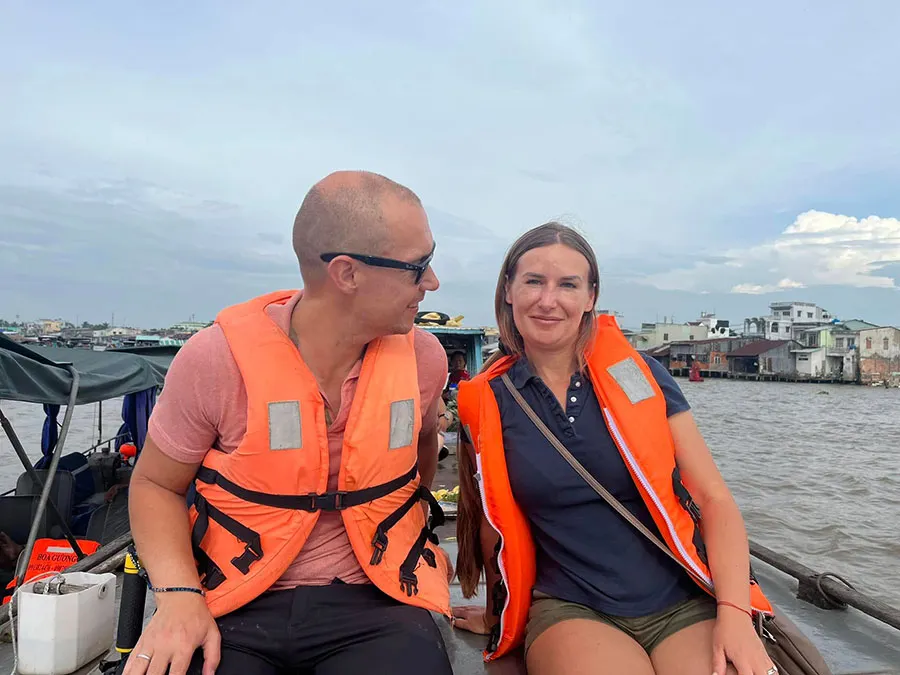
Long before sampan rides became a popular visitor experience, small boats were part of everyday life in the Mekong Delta. In a region shaped by rivers, canals and agricultural land, waterways have long served as important routes for transportation and local trade.
Traditionally, small boats have been used for:
- Fishing and traveling along local waterways
- Transporting fruit, vegetables and other agricultural products
- Moving between riverside homes and villages
- Carrying goods to local markets and trading areas
Although roads and modern transportation have changed daily life across the delta, boats remain closely connected to the region’s river culture, particularly in communities surrounded by canals and waterways.
For travelers, a traditional sampan ride therefore offers more than attractive scenery. It also provides a glimpse into how the waterways have influenced transportation, agriculture and everyday life in the Mekong Delta for generations.
How It Fits in a Mekong Delta Day Trip
A sampan boat ride is usually one part of a broader Mekong Delta experience rather than a standalone activity. Many day trips combine different types of transportation and local stops to show travelers several sides of the region.
A typical itinerary may include:
- A motorboat journey along a wider river
- Visits to local villages or workshops
- Tropical fruit tasting
- Walking or cycling through the countryside
- A hand-rowed sampan ride through narrow canals
The motorboat is generally used to cover longer distances, while the sampan allows travelers to explore smaller waterways at a slower pace. This combination provides both a wider view of the river landscape and a closer look at life along the canals.
Travelers planning a full-day experience can compare different Mekong Delta Tours to see how sampan rides, villages, local food and other river activities can fit into a complete itinerary.
Is a Mekong Delta Sampan Ride Too Touristy?
This is a fair question, especially for travelers looking for an authentic experience in the Mekong Delta.
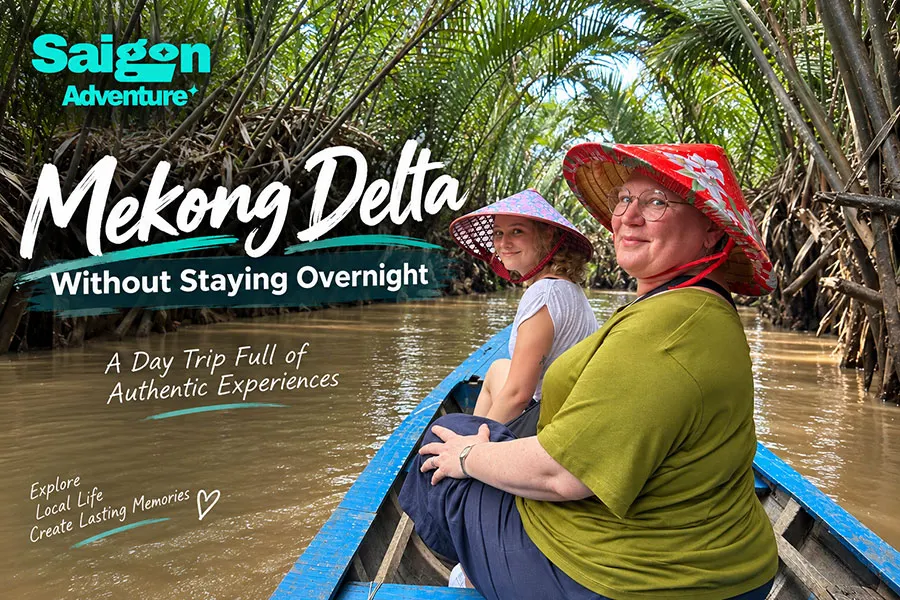
The answer depends largely on where and when you go. Popular sampan routes can become busy when several tour groups arrive at the same time, particularly during peak travel periods. Other canals may feel much quieter and more relaxed.
It is also important to separate the boat itself from the tourism experience around it. Sampans are closely connected to the river culture of the Mekong Delta, but some routes are now organized primarily for visitors.
That does not necessarily make the experience a tourist trap. The best approach is to have realistic expectations: you may share the canal with other travelers, but you can still enjoy the scenery, slow pace and distinctive perspective of exploring the waterways from a small hand-rowed boat.
For a quieter experience, consider visiting earlier in the day or choosing routes away from the busiest arrival times.
Frequently Asked Questions About Mekong Delta Sampan Boats
What is a sampan boat in Vietnam?
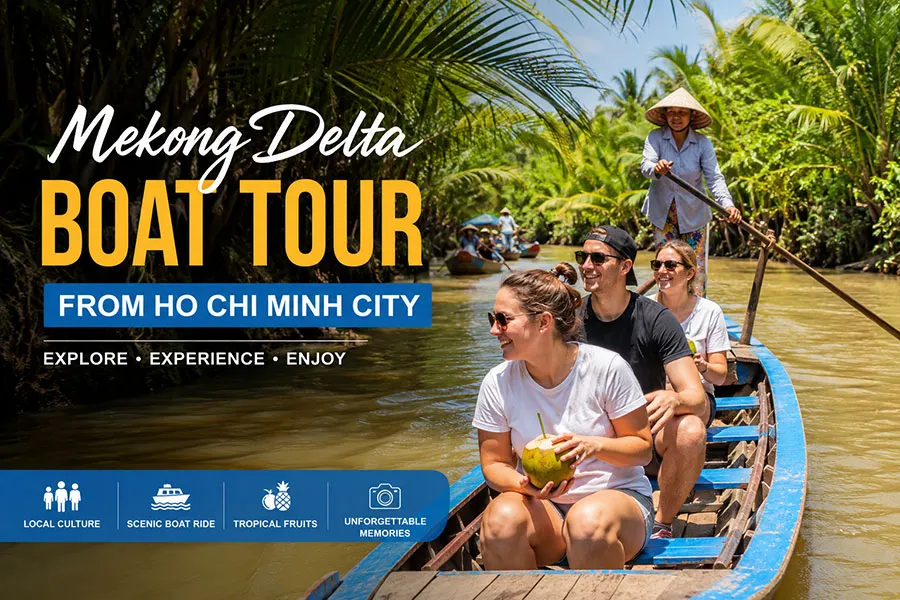
A sampan is a small boat traditionally used on rivers and canals in Vietnam and other parts of Asia. In the Mekong Delta, small sampans are well suited to narrow waterways, and many visitor experiences use hand-rowed boats to explore canals surrounded by tropical vegetation.
How long does a sampan boat ride in the Mekong Delta take?
Many sampan rides included in Mekong Delta day trips last around 15–30 minutes. The exact duration varies depending on the destination, canal route and itinerary.
Where can you ride a sampan in the Mekong Delta?
Popular destinations for sampan rides include Ben Tre, My Tho, Cai Be and Vinh Long. Ben Tre is particularly well known for narrow waterways surrounded by coconut palms, while other destinations offer different combinations of orchards, villages and river scenery.
How many people can fit in a sampan boat?
Passenger capacity varies with the boat’s size and design. Follow the local operator’s capacity limit and seating instructions, and confirm arrangements in advance if you are traveling with children or a larger group.
Are sampan boats motorized?
Some small boats in the Mekong Delta use engines, but many of the traditional sampan rides offered to visitors are hand-rowed. This slower form of travel is particularly suited to narrow canals where larger motorboats are less practical.
Is a sampan boat ride suitable for children?
Suitability depends on the child, boat and boarding conditions. Before booking, confirm that correctly sized life jackets are available and ask about boarding assistance. Children should wear their life jackets, remain seated and stay under adult supervision throughout the ride.
Is a sampan ride included in Mekong Delta tours?
Sampan rides are commonly included in many Mekong Delta itineraries, particularly those visiting areas with narrow canals. However, activities vary between tours, so travelers should check the itinerary before booking if a traditional sampan boat ride is a priority.
Planning Your Mekong Delta Sampan Ride
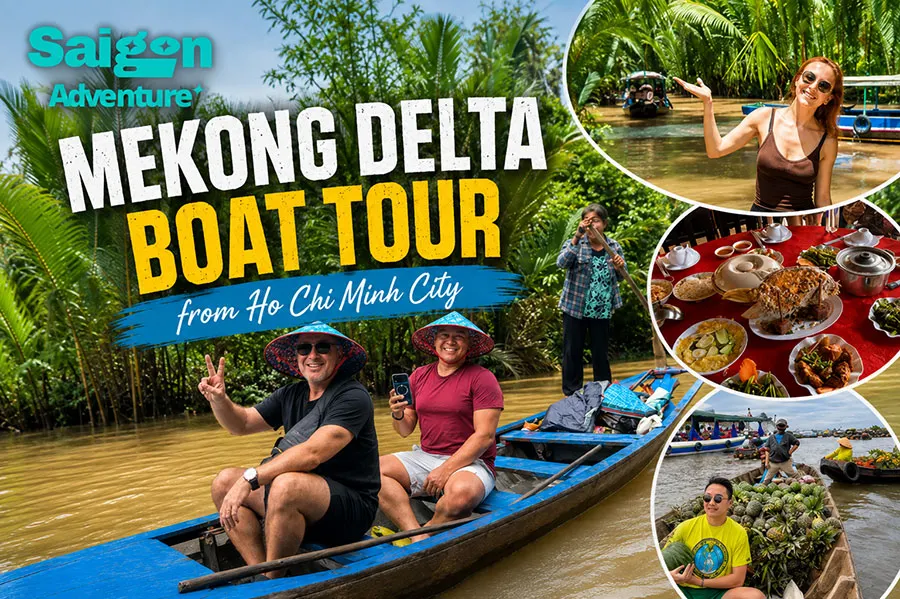
A Mekong Delta sampan ride is worth considering if you enjoy canal scenery and a slower pace of travel. Expect simple seating, a close view of the water and the possibility of sharing popular canals with other visitors.
Before booking, confirm that your itinerary includes a hand-rowed sampan ride, how long it lasts and whether suitable life jackets are available. Tell your operator about any mobility needs or young children in your group so they can advise on boarding and seating.
Discover the best-selling tours at Saigon Adventure.
 Bestseller
Cu Chi Tunnels & Mekong Delta 1-Day Tour from Ho Chi Minh City
EXCURSION HIGHLIGHTS: AT CU CHI TUNNELS Watch Documentary Video (Only Showed In This Place) Experience The Thrill Of Crawling Into...
 Bestseller
Mekong Delta Tour
The Mekong Delta is celebrated as one of the world's most vital biological wonders and a premier cultural destination in...
 Bestseller
A Less-Touristy Mekong Delta Day Trip to Ben Tre
Delta Tour 1 Day from Ho Chi Minh City, exploring the peaceful waterways and coconut villages of Ben Tre. This...
 Bestseller
Mekong Delta Tour by Luxury Speed Boat
OVERVIEW Hotel pickup: From 8:00 AM in District 1 Tour duration: Approximately 8 hours Group size: Maximum 12 guests Price:...
 Bestseller
Mekong Delta 2 Days Tour – Floating Market Group Tour
Cai Rang floating market – one of the largest floating market in the Mekong Delta is a rare sight in...
 Bestseller
3-Day Mekong Delta Private Tour – 3 Days 2 Nights
Tourists often choose to explore and experience this unique floating market by boat when participating in tours exploring the Mekong...
 Bestseller
12-Hour Cai Rang Floating Market & My Tho Tour From Saigon
ABOUT THIS TOUR Discover the Cai Rang floating market, a colorful, buzzing market with hundreds of boat vendors selling fruits,...
 Bestseller
Mekong Delta One Day Group Tour
ABOUT THIS MEKONG DELTA TOUR Departure: 8:00 AM Drop off time: 5:30 PM to 6:30 PM Small group travel experience...
 Bestseller
Can Tho: Floating Market & Garden Life in the Delta
FLOARING MARKET TOUR Note: This tour pick up and drop off in Can Tho only The Ultimate Can Tho Floating...
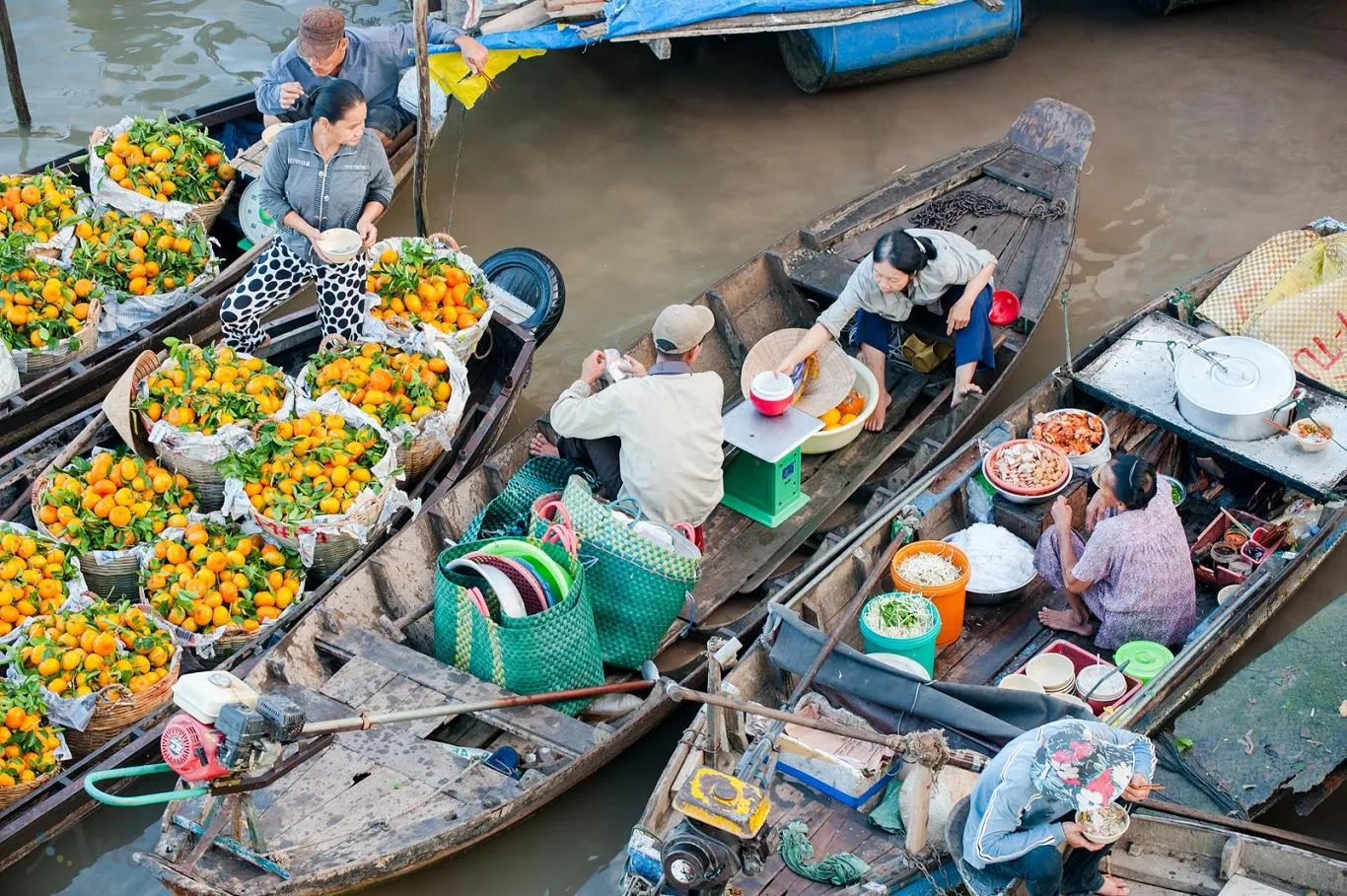
Mekong Floating Market 1 Day Tour
Cai Be Floating Market & Mekong Delta: An Authentic 1-Day Escape If you are looking to see the Mekong Delta...

Private Car Rental Services
Why you should choose car rental with Saigon Adventure ? We understand that make plan your trip, you wish your...

2 DAYS MEKONG DELTA FLOATING MARKET – CAN THO – RACH GIA
Join Saigon Adventure for our exclusive 2-Day tour, highly recommended among the best Mekong Delta tours for travelers who want...