Saigon is famous for pho, banh mi, and crispy Vietnamese pancakes. But beyond these familiar favorites, the city’s sidewalks serve dishes that can make even adventurous travelers hesitate before taking their first bite.
The most unusual strange street foods in Saigon include balut, coconut worms, braised animal organs, chicken feet, duck tongues, and sea snails. Some are surprisingly delicious, while others challenge visitors with unfamiliar textures, ingredients, or cooking traditions.
Curious about what locals actually eat? Here are 10 fascinating Vietnamese foods worth knowing about, including their flavors, typical prices, where to find them, and which ones are better admired than tasted.
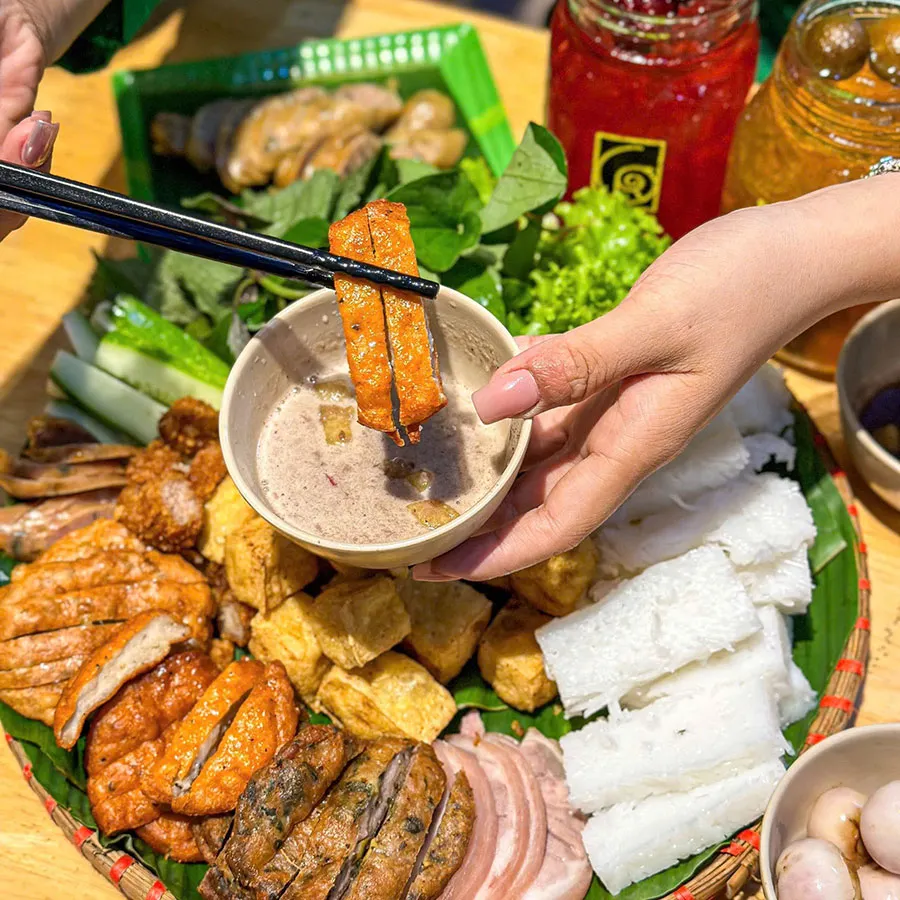
Why Does Saigon Have So Many Unusual Street Foods?
Ho Chi Minh City’s food culture reflects generations of migration, regional cooking traditions, and a practical approach to ingredients. Parts of animals that visitors might discard often become flavorful snacks through slow cooking, grilling, and careful seasoning.
Eating is also a social activity. Friends gather around sidewalk tables, order several small plates, and spend an evening sharing dishes rather than rushing through a single meal.
For travelers interested in discovering everyday local cuisine, a Saigon street food experience offers an introduction to flavors that rarely appear on international restaurant menus.
10 Strange Street Foods in Saigon Worth Discovering
1. Hot Vit Lon – Balut (Fertilized Duck Egg)
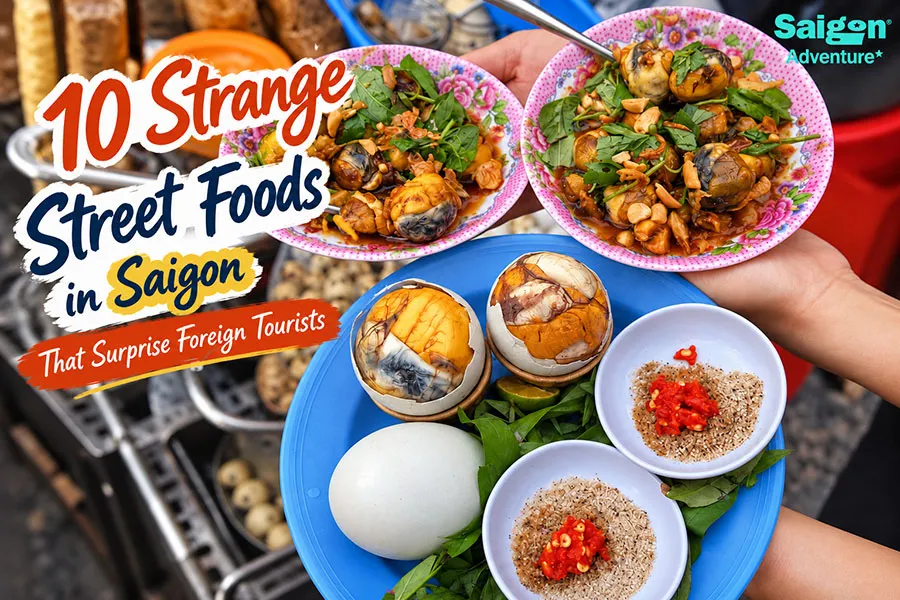
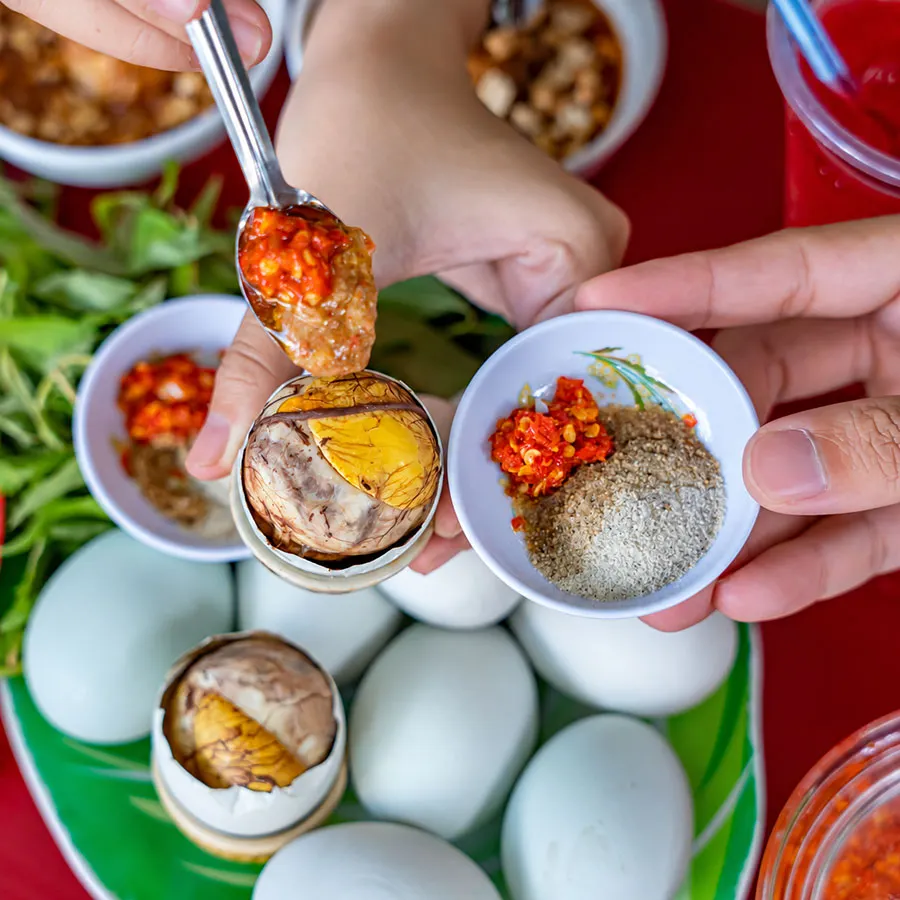
Balut, known locally as hột vịt lộn, is a fertilized duck egg containing a developing embryo. It is typically boiled and served warm with Vietnamese coriander, salt, pepper, and sometimes kumquat.
The appearance can be challenging, but the taste is savory and egg-like, with a rich broth inside the shell. Different parts have different textures, making the experience more surprising than the flavor itself.
Where to try: Evening snack stalls and neighborhood markets.
Typical budget: Approximately 10,000–20,000 VND per egg.
Local Tip: Start with one egg and ask your vendor to show you how to open it. Eat it fully cooked and piping hot.
2. Duong Dua – Coconut Worms
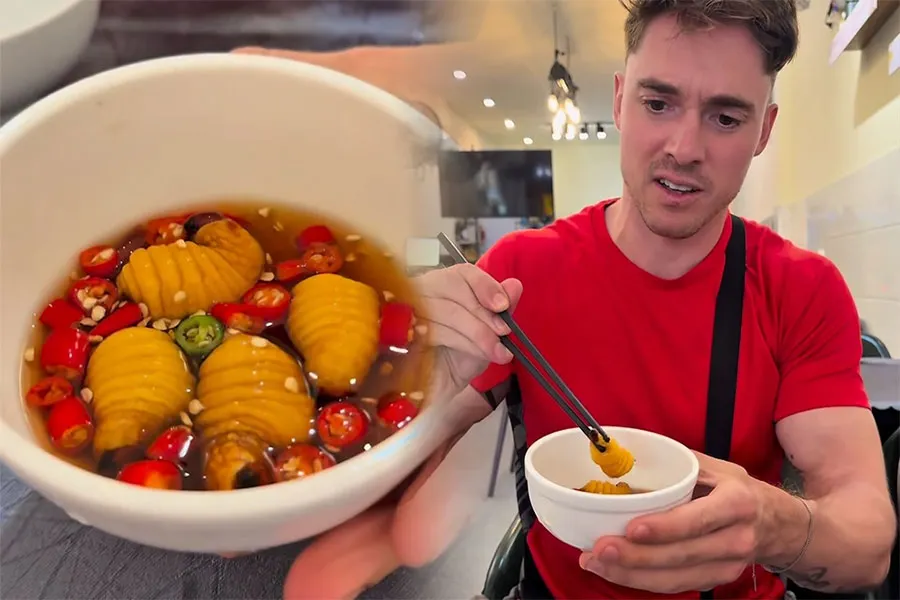
Few Vietnamese delicacies attract as much curiosity as đuông dừa, the edible larvae of palm weevils associated with coconut-growing regions of southern Vietnam.
Their soft bodies and creamy appearance can be intimidating. Traditionally, they are associated with raw preparations, although cooked versions may be grilled or fried.
This is not an everyday Saigon sidewalk snack. Availability is limited, sourcing raises sustainability and pest-control concerns, and travelers should never assume that a restaurant offering the dish has handled it safely.
Where to find: Occasionally at specialty restaurants serving regional southern cuisine.
Local Tip: Avoid raw larvae. If you encounter the dish, choose only a thoroughly cooked preparation from a reputable establishment, or simply learn about its cultural background without eating it.
3. Pha Lau – Vietnamese Braised Beef Offal
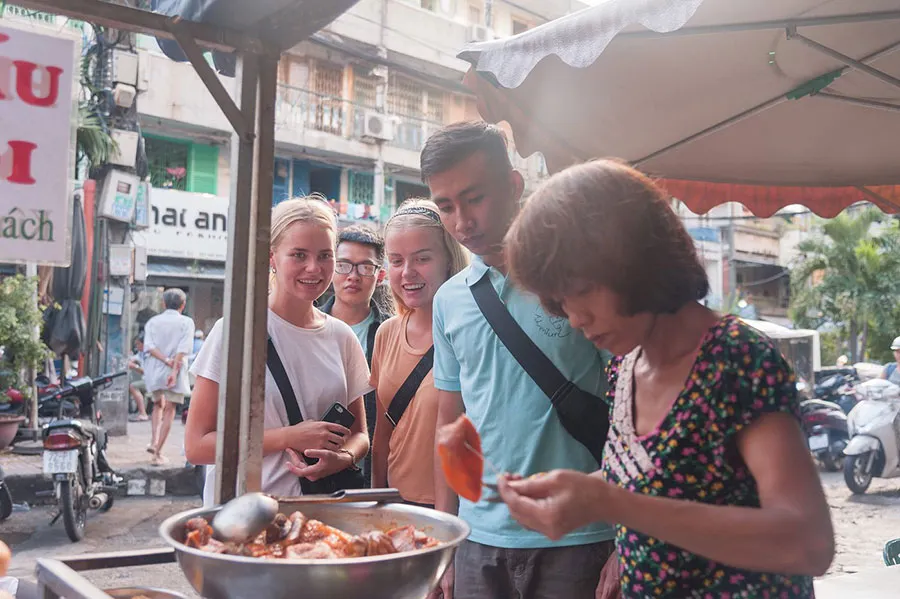
Phá lấu is one of Saigon’s most recognizable unusual snacks, particularly among students and younger diners.
The dish usually combines carefully cleaned beef organs, such as stomach and intestines, simmered with aromatic spices and often coconut milk. The resulting broth is rich, fragrant, and slightly sweet.
A serving commonly arrives with bread or instant noodles for soaking up the sauce. The chewy texture takes some getting used to, but the flavor is approachable.
Where to try: Neighborhood snack stalls, including areas around Ho Thi Ky.
Typical budget: Roughly 30,000–60,000 VND per serving.
Local Tip: Choose a busy stall where the broth is kept hot. Dip crusty bread into the sauce before trying the organ meat.
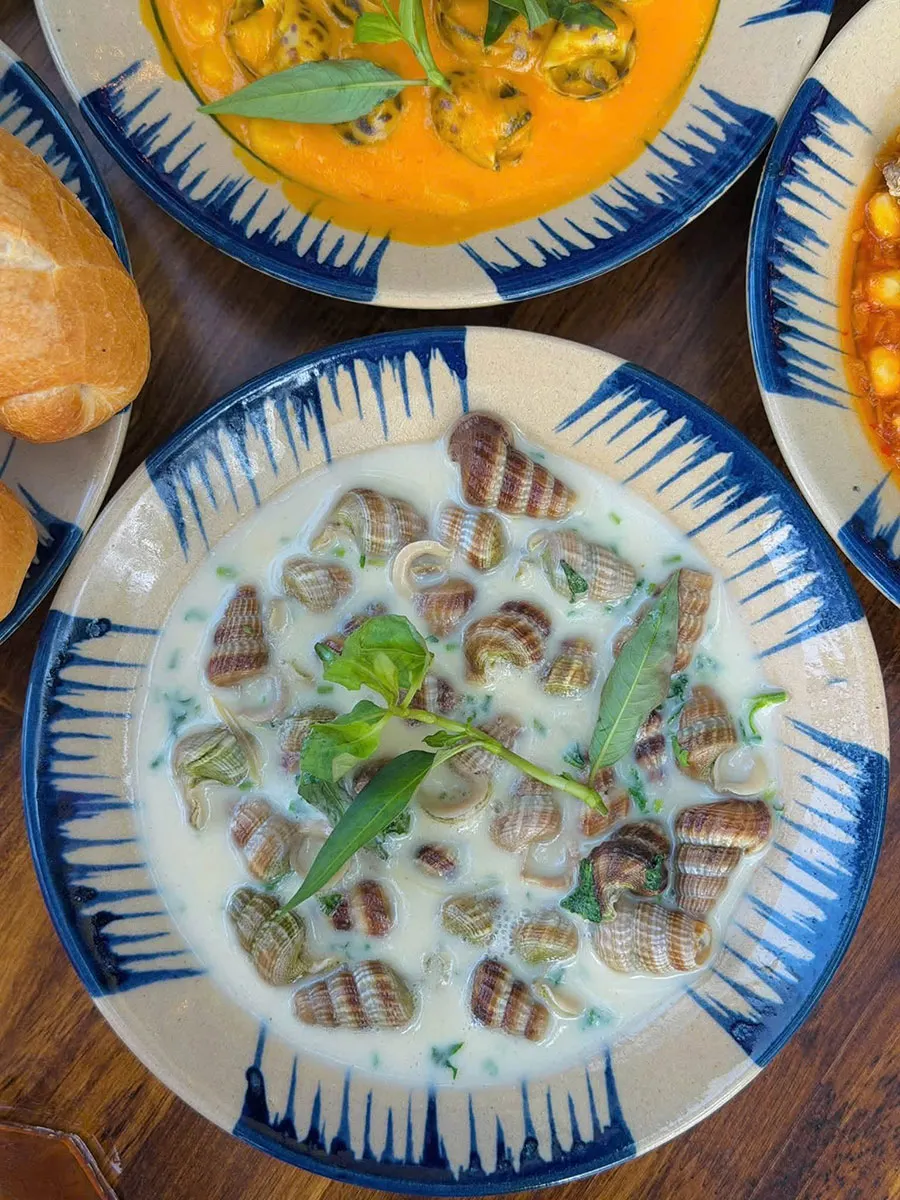
4. Oc Len Xao Dua – Sea Snails in Coconut Sauce
Imagine sitting on a tiny plastic chair while a steaming plate of snails arrives covered in fragrant coconut sauce.
Ốc len xào dừa combines sea snails with coconut milk, lemongrass, and seasonings. The sauce is creamy and aromatic, while the snail meat is firm and pleasantly chewy.
Getting the meat out of the shell is part of the experience. Some diners use suction after removing the shell tip; restaurant staff can demonstrate the technique.
Where to try: Seafood restaurants along Vinh Khanh Street in District 4.
Typical budget: Around 50,000–100,000 VND per plate, depending on the restaurant.
Local Tip: Order a small portion to share and make sure the snails are thoroughly cooked. Discover other specialties in this Saigon seafood street food guide.
5. Chan Ga – Vietnamese Chicken Feet
Chicken feet might look unusual to visitors accustomed to eating only chicken breast, thighs, or wings. In Vietnam, they are appreciated for their skin, cartilage, and chewy texture.
Popular versions include grilled chicken feet, lemongrass-kumquat chicken feet, and spicy preparations. The appeal comes from the seasoning and texture rather than large amounts of meat.
Grilled versions develop a smoky aroma, while marinated versions often deliver a tangy, spicy kick.
Where to try: Evening snack shops and grilled-food stalls.
Local Tip: Beginners may prefer freshly grilled chicken feet. Avoid cold marinated versions when their preparation, refrigeration, or storage conditions are uncertain.
6. Trung Cut Lon – Fertilized Quail Eggs
If balut feels too intimidating, trứng cút lộn offers a smaller introduction to this Vietnamese eating tradition.
These fertilized quail eggs are much smaller than duck balut and are commonly prepared with tamarind sauce, fried shallots, and herbs. The sauce adds a tangy sweetness that balances the rich egg flavor.
The bite-sized portions also make them convenient for sharing with friends.
Where to try: Evening snack stalls and casual local eateries.
Typical budget: Often sold in small portions, with prices depending on the number of eggs and preparation.
Local Tip: Look for trứng cút lộn xào me, the tamarind-sauce version, and choose eggs cooked thoroughly and served hot.
7. Tiet Canh – Vietnamese Raw Blood Pudding
Tiết canh is a traditional dish made using fresh animal blood mixed with cooked ingredients and seasonings. Its jelly-like appearance and strong cultural associations make it one of Vietnam’s most unusual foods to learn about.
However, this is one dish travelers should not eat. Raw animal blood can transmit serious infections, even when a preparation looks fresh.
The US Centers for Disease Control and Prevention specifically warns against consuming Vietnamese raw blood dishes because of risks including Streptococcus suis infection.
Where to encounter: Traditional regional dining contexts rather than mainstream tourist food stalls.
Local Tip: Appreciate this dish as a subject of culinary history, not a tasting challenge. Choose thoroughly cooked local specialties instead.
8. Luoi Vit – Duck Tongues
Duck tongues are a specialty that surprises visitors because of their small size and distinctive texture.
They are sometimes fried, grilled, or seasoned with garlic and chili. A properly cooked duck tongue offers a mixture of tender meat, skin, and a firmer central structure.
They are less common than chicken feet or grilled intestines, so finding them may require visiting a specialty restaurant.
Where to try: Selected duck restaurants and specialty snack establishments.
Local Tip: Ask whether the tongues are freshly cooked. A garlic-fried version can be a more approachable introduction than strongly spiced preparations.
9. Sun Ga Chien – Fried Chicken Cartilage
Not every unusual Vietnamese dish looks frightening. Some surprise visitors only after the first bite.
Sụn gà chiên consists of small pieces of chicken cartilage, usually coated or seasoned before being fried until crisp. The appeal is the crunchy texture, often complemented by chili sauce or salt-and-pepper seasoning.
Unlike chicken feet or duck tongues, fried cartilage looks similar to familiar crispy bar snacks.
Where to try: Casual restaurants, snack shops, and places serving shared plates.
Local Tip: Order a small portion while it is freshly fried. It is an easy starting point for travelers curious about unusual textures.
10. Long Nuong – Vietnamese Grilled Intestines
The smoky smell of grilled intestines often attracts diners before they notice what is cooking.
Lòng nướng typically involves cleaned and marinated pork or beef intestines grilled over charcoal. Lemongrass, garlic, chili, and savory dipping sauces help create its distinctive flavor.
The outside may become lightly crisp while the inside remains chewy. Preparation and thorough cooking matter especially with organ meats.
Where to try: Nighttime barbecue stalls and neighborhood grilling restaurants.
Local Tip: Select vendors who grill portions thoroughly to order. If you dislike chewy textures, try grilled meat skewers instead.
Where Can Tourists Find Unusual Street Food in Saigon?
Three areas offer useful starting points for travelers interested in exploring food beyond the familiar tourist menu.
Vinh Khanh Street, District 4: A popular destination for cooked snails, shellfish, and seafood dishes. The atmosphere becomes particularly lively in the evening.
Ho Thi Ky Food Street: Known for affordable snacks and diverse Vietnamese dishes, including phá lấu and other local favorites.
Co Giang Street, District 1: A useful area for discovering casual neighborhood dining and grilled foods without traveling far from central Saigon.
These are food-exploration areas rather than guaranteed locations for every dish on this list. Specialty foods, particularly coconut worms and duck tongues, may not be available during your visit.
For a broader introduction to local flavors, consider a Ho Chi Minh City walking street food tour.
Which Unusual Vietnamese Foods Should First-Time Visitors Try?
Beginners can start with fried chicken cartilage, grilled chicken feet, or coconut-sauce snails. Travelers comfortable with chewy organ meats may enjoy phá lấu and grilled intestines, while balut and fertilized quail eggs offer a more challenging visual experience.
There is no need to try everything. A rewarding food adventure comes from understanding unfamiliar dishes, not forcing yourself to eat something that makes you uncomfortable.
How Much Does Strange Street Food Cost in Saigon?
Many everyday snacks cost a few tens of thousands of Vietnamese dong, while seafood plates and specialty restaurant dishes can cost considerably more.
Prices depend on ingredients, portion sizes, location, and season. Ask for the current menu price before ordering, especially when seafood is sold by weight.
Visiting after sunset is often convenient because many snack and seafood venues cater to evening diners. Restaurants may have different opening schedules, so check locally.
Is It Safe to Eat Unusual Street Food in Ho Chi Minh City?
Food safety should matter more than novelty. Choose established restaurants with visible cooking areas, clean utensils, good ingredient handling, and food prepared thoroughly.
Avoid raw blood, raw animal products, undercooked seafood, and dishes kept unrefrigerated for long periods. Travelers with food allergies should also confirm ingredients and possible cross-contact before ordering.
For additional practical advice, read Is a Saigon Motorbike Food Tour Safe?.
Frequently Asked Questions About Strange Street Foods in Saigon
1. What Is the Strangest Food in Saigon?
Balut and coconut worms are among the most surprising foods for international visitors because of their appearance and unfamiliar ingredients. Coconut worms are less readily available.
2. What Unusual Vietnamese Food Is Best for Beginners?
Fried chicken cartilage, grilled chicken feet, and cooked coconut-sauce snails are approachable starting points. They offer unfamiliar textures without requiring visitors to try raw ingredients.
3. Can Tourists Eat Balut in Vietnam?
Yes, tourists can try thoroughly cooked balut if they wish. It is a traditional snack, although its appearance and texture may be uncomfortable for some visitors.
4. Where Can I Find Strange Food in Ho Chi Minh City?
Vinh Khanh Street, Ho Thi Ky Food Street, and neighborhood snack stalls are useful starting points. Individual menus and availability vary.
5. Are Coconut Worms Common in Saigon?
No. Coconut worms are associated primarily with southern coconut-growing regions and are not an everyday item at most Saigon street food stalls.
6. What Street Foods Should Tourists Avoid in Vietnam?
Avoid raw blood pudding, raw or undercooked animal products, and food handled or stored under unsafe conditions. Choose freshly prepared, thoroughly cooked meals.
7. Is Saigon Street Food Expensive for Tourists?
Most everyday street snacks are relatively affordable, although seafood and specialty dishes can cost more. Checking menu prices beforehand helps avoid misunderstandings.
Final Thoughts: Discover Saigon Beyond the Familiar Menu
Saigon’s unusual street foods reveal a side of Vietnamese culture that conventional tourist menus rarely capture. From coconut-sauce snails to richly seasoned offal, each dish tells a story about local ingredients, cooking traditions, and shared meals.
You do not need to be fearless to enjoy the experience. Start with something appealing, ask questions, and discover new flavors at your own pace.
Want to explore beyond the obvious? Join a Saigon motorbike tour experience and discover the neighborhoods, food stalls, and everyday traditions that make this city unforgettable.