If you are wondering what to eat in Vietnam without beef, the good news is that Vietnamese cuisine offers plenty of pork, chicken, seafood and vegetarian street foods.
The real challenge is knowing which dishes are naturally beef-free and which ones deserve a quick ingredient check. Broth, meatballs, pâté and mixed fillings are the main things to watch.
Fortunately, with a few useful Vietnamese phrases and some basic local knowledge, eating well without beef in Vietnam is surprisingly easy.
Can You Enjoy Vietnamese Street Food Without Eating Beef?
Yes. Vietnam is a very practical destination for travelers who avoid beef but still eat pork, chicken, seafood, eggs or vegetarian food.
Chicken, pork, shrimp, fish, squid, tofu, noodles, rice and vegetables appear everywhere from morning markets to late-night street stalls.
The important distinction is between visible beef and hidden beef ingredients. A bowl may contain chicken or noodles but still use a beef-based broth, while meatballs or mixed fillings may not be obvious from an English menu.
For a broader look at what locals eat in Ho Chi Minh City, this Saigon street food guide is a useful starting point.
Quick Guide: What Is Safe and What Should You Ask About?
For travelers who simply avoid beef, many Vietnamese dishes are easy choices. If your restriction is strict, however, always confirm the broth, sauces and processed meat.
| Usually a good choice | Ask before ordering | Why check? |
|---|---|---|
| Cơm tấm with pork | Phở gà | Broth preparation may vary |
| Bún chả | Hủ tiếu | Broth and toppings differ by vendor |
| Cơm gà | Bánh mì | Pâté and meat fillings vary |
| Bún thịt nướng | Hotpot | Stock may contain different meats |
| Grilled seafood | Meatballs | Meat type may not be obvious |
| Vegetarian dishes marked chay | Mixed fried rice/noodles | May contain several meats |
Local tip: If avoiding beef is important for religious or dietary reasons, do not judge a dish only by what you can see. Ask specifically about nước dùng — broth — as well as the meat itself.
Best Vietnamese Street Foods Without Beef
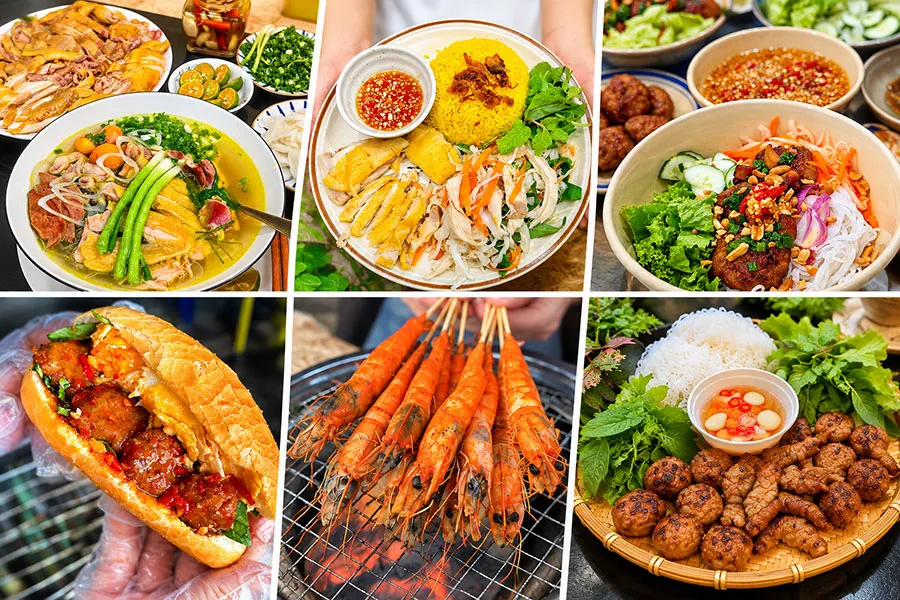
1. Bánh mì with pork, chicken or egg
Bánh mì is one of the easiest Vietnamese foods to customize.
Popular beef-free fillings include grilled pork, pork sausage, chicken and fried egg, usually combined with cucumber, coriander, pickled vegetables and chili.
The part worth checking is the pâté. Recipes vary, so travelers with strict restrictions should ask about the ingredients rather than assuming every bánh mì is prepared the same way.
If bánh mì is high on your food list, compare several local styles in this guide to the best bánh mì in Ho Chi Minh City.

2. Cơm tấm – broken rice with grilled pork
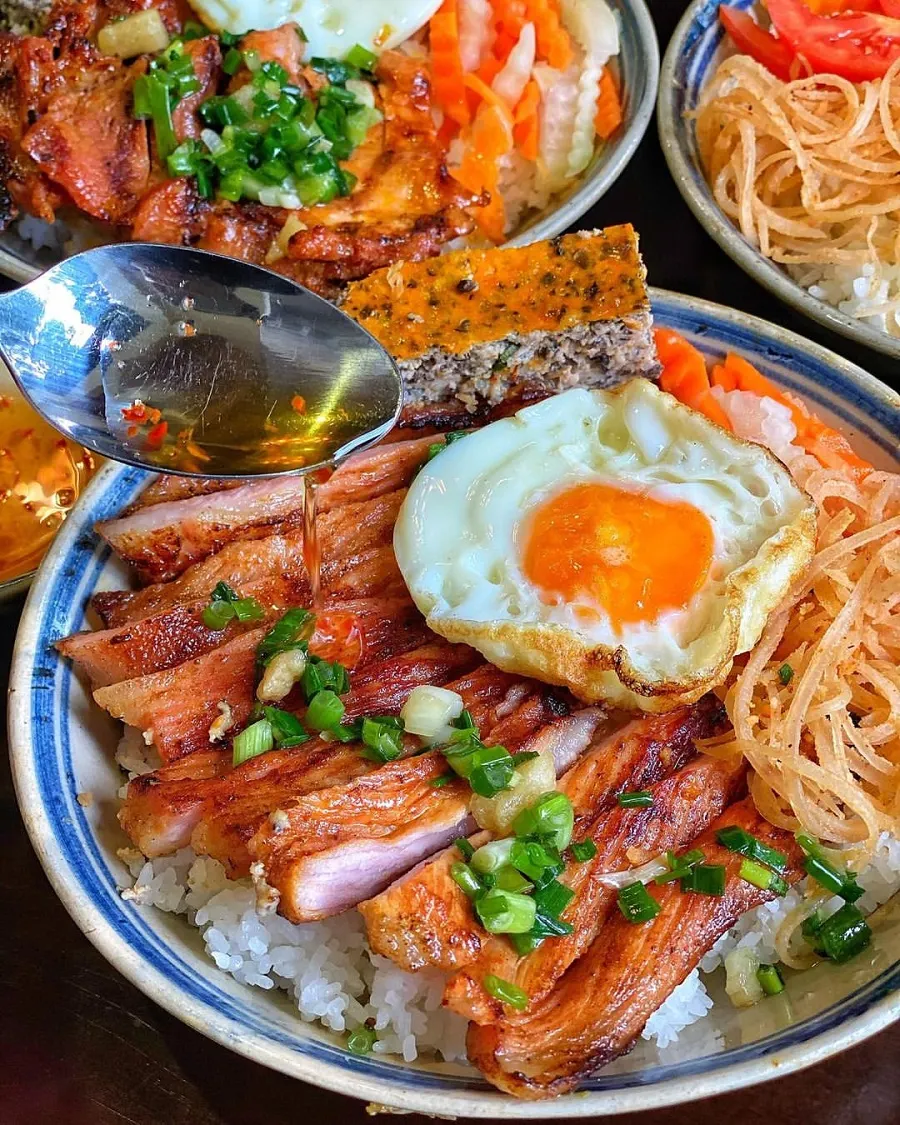
Cơm tấm is one of Ho Chi Minh City’s most recognizable everyday meals.
A typical plate combines broken rice with grilled pork, cucumber, pickled vegetables and fish sauce. You may also see fried egg or chả trứng, a steamed egg-and-pork mixture.
It is a particularly good choice for first-time visitors because the main ingredients are usually visible and easy to understand.
A Ho Chi Minh City walking street food tour can also be useful if you want to discover neighborhood dishes rather than relying only on famous restaurants.
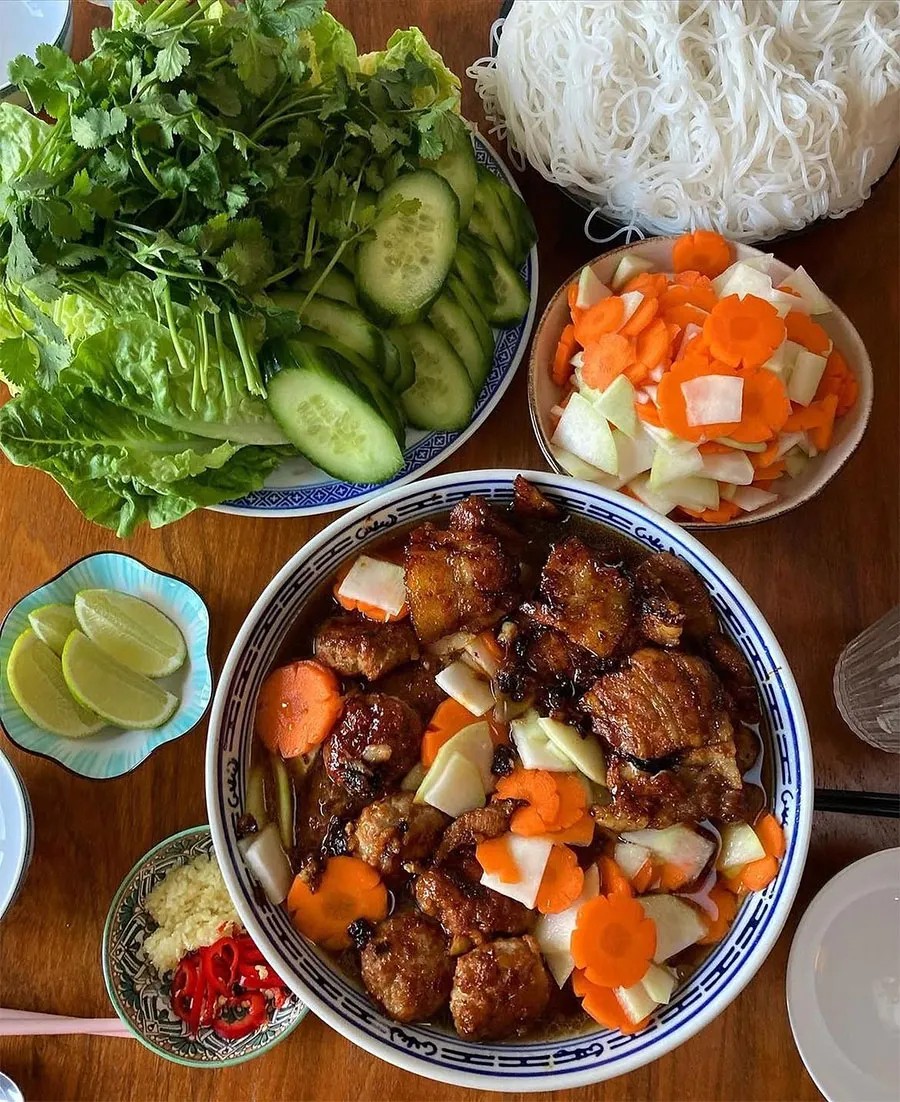
3. Bún chả – a Hanoi favorite
In Hanoi, bún chả is one of the strongest alternatives to beef-based noodle dishes.
Grilled pork patties and slices of pork are served with rice noodles, herbs and a light dipping liquid containing pickled vegetables. Diners combine everything gradually rather than receiving one large mixed bowl.
Local tip: Bún chả is particularly popular around lunchtime, although opening hours vary greatly between small family-run shops.
4. Cơm gà – Vietnamese chicken rice
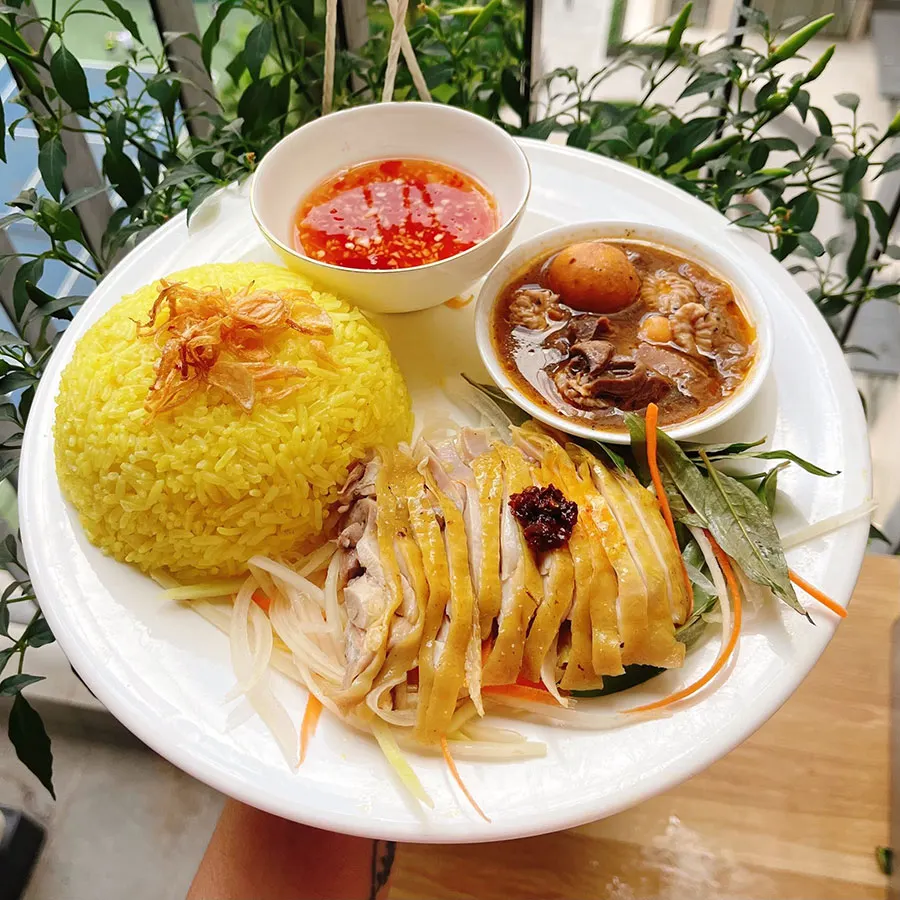
Cơm gà appears in different forms around Vietnam, but Hoi An is especially well known for it.
The Hoi An version commonly features shredded chicken, seasoned rice, herbs and vegetables. Other destinations may serve roasted, fried or boiled chicken over rice.
It is generally straightforward for travelers avoiding beef, although strict diners should still check side soups or stocks served with the meal.
5. Bún thịt nướng – grilled pork noodles
Bún thịt nướng combines rice noodles, grilled pork, herbs, cucumber, peanuts, pickled vegetables and fish sauce.
Some bowls also contain fried spring rolls, adding extra crunch and richness.
It is fresh, filling and widely approachable for travelers who want to experience southern Vietnamese flavors without ordering a soup.
Best Seafood Street Food If You Avoid Beef
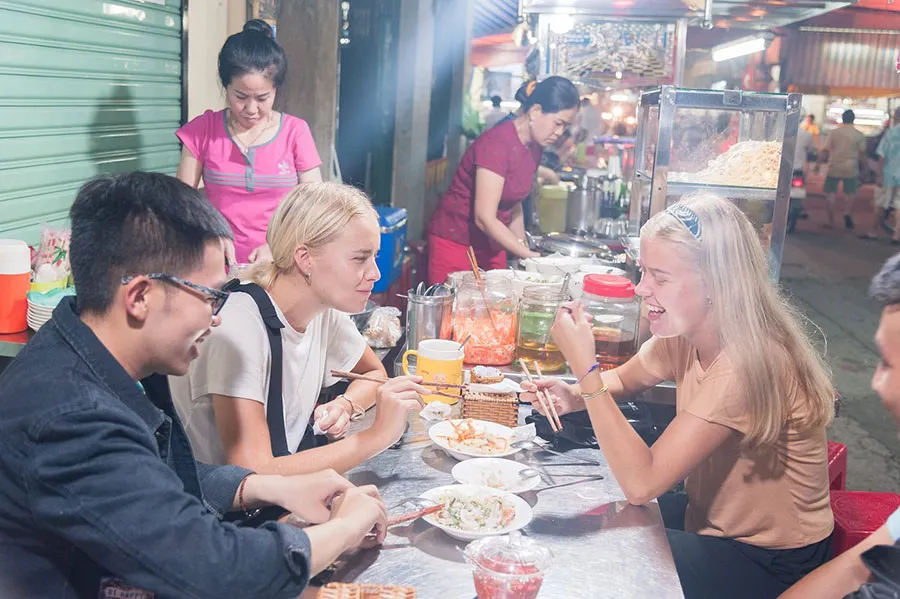
Vietnam’s long coastline makes seafood another excellent option.
Ho Chi Minh City has lively evening seafood scenes, while Da Nang, Nha Trang and other coastal destinations offer everything from grilled squid to shellfish.
Grilled squid and octopus
Squid and octopus are commonly grilled over charcoal and seasoned with chili, salt or aromatic marinades.
They are often cooked to order, which makes it easier to see exactly what you are receiving.
If you are sensitive to spice, ask before cooking because some marinades are prepared in advance.
Snails, clams and shellfish
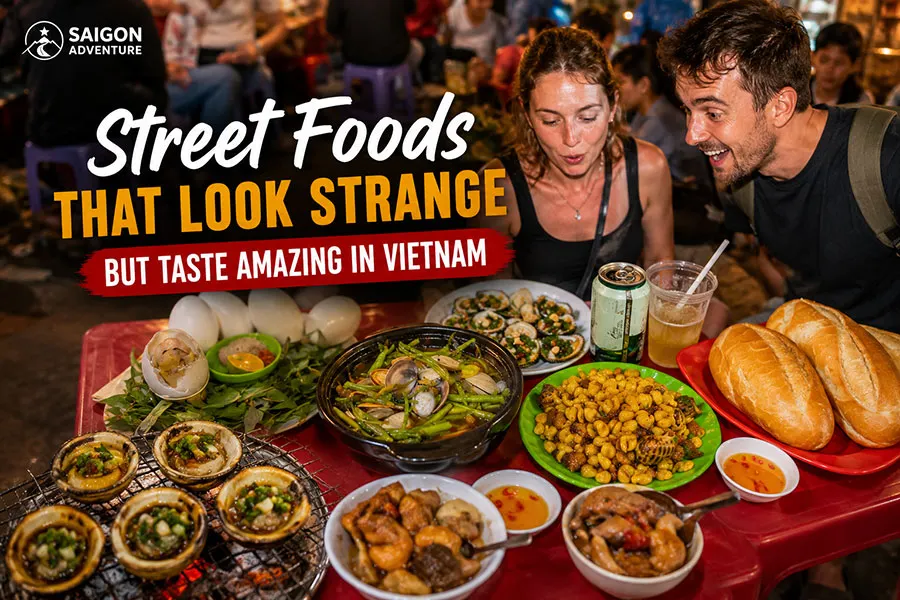
Vietnamese ốc restaurants can serve clams, oysters, scallops, snails and other shellfish with garlic, lemongrass, tamarind, coconut milk or salted egg sauces.
Ordering several small plates to share is often the best way to experience this style of dining.
Travelers curious about the variety can explore this Saigon seafood street food guide before choosing what to try.
Vegetarian Vietnamese Food Is Another Easy Option
Look for the Vietnamese word “chay.” It indicates vegetarian food and appears on restaurants, stalls and menu items throughout the country.
Common choices include vegetarian bánh mì, tofu with rice, mushroom noodle soups, vegetarian spring rolls and rice dishes with vegetables.
Vegetarian food can be an easy solution when you want to avoid questions about meat entirely.
However, vegetarian and vegan are not always interchangeable concepts in everyday travel situations. If you avoid all animal products, confirm ingredients such as egg, dairy and fish sauce rather than relying only on an English translation.
Vietnamese Noodle Soups Without Beef
Phở gà – chicken phở
Phở gà is the obvious choice for travelers who want to experience phở without eating beef.
Chicken replaces beef as the main protein and the broth is generally lighter in character than beef phở.
For casual avoidance, ordering phở gà is usually straightforward. For strict dietary requirements, ask whether the broth is prepared separately.
Hủ tiếu
Hủ tiếu is particularly associated with southern Vietnam and can be served either dry or with broth.
Depending on the restaurant, toppings may include pork, shrimp, minced pork, seafood or offal.
There is no single universal version, which makes hủ tiếu delicious but also worth checking before ordering.
Mì Quảng
Travelers visiting Da Nang or Quang Nam should look for Mì Quảng.
Wide noodles are served with a small amount of strongly flavored broth, herbs, peanuts and rice crackers. Chicken, pork and shrimp are common protein choices.
The dish feels completely different from phở and is one of the best ways to experience central Vietnamese cuisine.
Where to Find the Best Beef-Free Food in Vietnam
Ho Chi Minh City
Ho Chi Minh City offers perhaps the greatest variety in one place.
Look for cơm tấm, bún thịt nướng, hủ tiếu, bánh mì, seafood and countless rice dishes. Evening eating is especially rewarding because many street-food areas become busier after sunset.
Hanoi
Hanoi is ideal for bún chả, phở gà, bánh cuốn and northern-style snacks.
Compared with southern Vietnam, flavors can feel more restrained, making Hanoi an interesting contrast if your trip includes both major cities.
Da Nang and Hoi An
Central Vietnam is particularly strong for Mì Quảng, seafood and chicken rice.
Hoi An’s cơm gà and Da Nang’s noodle specialties make this region easy to explore even if beef is completely off your menu.
How to Say “I Don’t Eat Beef” in Vietnamese
The most useful sentence is:
“Tôi không ăn thịt bò.”
I don’t eat beef.
You can also ask:
“Có thịt bò không?”
Does this contain beef?
If the broth is your concern, ask the vendor specifically rather than relying only on the dish name.
Saving the Vietnamese sentence on your phone is useful at smaller stalls where English may be limited.
What If You Strictly Cannot Eat Beef?
There is an important difference between preferring not to eat beef and needing complete separation from beef.
Street stalls commonly prepare several dishes in a compact workspace. Shared grills, utensils, pots or preparation surfaces can therefore occur.
Travelers with allergies or strict medical, religious or dietary requirements should explain their needs clearly and consider restaurants where ingredients can be discussed in more detail.
For practical advice on eating while moving around the city, see our guide to Saigon motorbike food tour safety.
Should You Join a Food Tour If You Don’t Eat Beef?
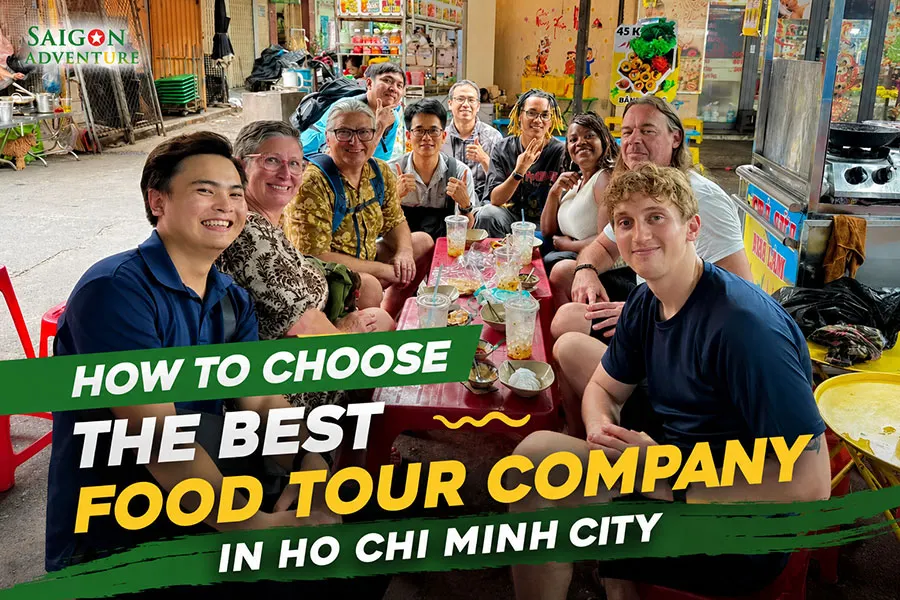
A guided food experience can be particularly useful for first-time travelers with dietary restrictions.
Local guides can explain unfamiliar ingredients, communicate with vendors and replace unsuitable dishes with alternatives while still introducing you to authentic neighborhood food.
If you prefer exploring beyond central tourist streets, a Saigon motorbike food tour experience can also provide access to local eating areas that visitors may otherwise miss.
Always mention your restriction before the tour. “No beef” is much easier to accommodate when the guide knows in advance.
Final Tips for Eating in Vietnam Without Beef
Vietnam is not a difficult destination for travelers who avoid beef.
Start with dishes centered on pork, chicken, seafood or vegetarian ingredients, then ask questions when ordering soups, pâté, meatballs, hotpots or mixed dishes.
Most importantly, do not feel that skipping beef means missing Vietnamese food. Bún chả in Hanoi, cơm tấm in Saigon, Mì Quảng in central Vietnam and fresh seafood along the coast can easily become some of the most memorable meals of your trip.
Explore slowly, eat regionally and tell vendors what you cannot eat. A little communication opens the door to far more dishes than you might expect.
FAQs About Eating in Vietnam Without Beef
Can I travel in Vietnam easily if I don’t eat beef?
Yes. Pork, chicken, seafood, eggs, tofu, vegetables, rice and noodles are widely available. You mainly need to double-check broths, meatballs, pâté and mixed dishes.
What can I eat instead of beef phở in Vietnam?
Phở gà is the closest alternative. Other good options include hủ tiếu, Mì Quảng, bún chả, bún thịt nướng and vegetarian noodle soups.
Does bánh mì contain beef?
Not always. Bánh mì may contain pork, chicken, egg, sausage, pâté, beef or vegetarian fillings. Ask about both the main filling and pâté if you strictly avoid beef.
How do I say “I don’t eat beef” in Vietnamese?
Say “Tôi không ăn thịt bò.” You can save the sentence on your phone and show it to vendors when communication is difficult.
Can I eat Vietnamese noodle soup if I avoid beef?
Yes, but check the broth first. Chicken phở, hủ tiếu and other noodle soups may be suitable, although recipes and stocks vary between restaurants.
Is vegetarian food easy to find in Vietnam?
Yes. Look for the word “chay.” Major Vietnamese cities have many vegetarian restaurants, while vegetarian rice, noodles, tofu and bánh mì are also common.
Which Vietnamese city is best for beef-free street food?
Ho Chi Minh City offers the widest variety, Hanoi is excellent for pork and chicken dishes, while Da Nang and Hoi An are especially strong for seafood and central Vietnamese specialties.