Table of Contents
ToggleNestled along the peaceful banks of the Perfume River, Hue is one of Vietnam’s most captivating destinations. Unlike the fast-paced streets of Ho Chi Minh City or the lantern-filled charm of Hoi An, Hue offers a journey into Vietnam’s royal past, where ancient citadels, majestic tombs, and centuries-old traditions remain remarkably well preserved.
As the former imperial capital of the Nguyen Dynasty, Hue is recognized as a UNESCO World Heritage Site and continues to attract travelers seeking authentic history, architecture, and culture. Every monument, temple, and palace tells a story of emperors, scholars, and artisans who helped shape Vietnam’s identity.
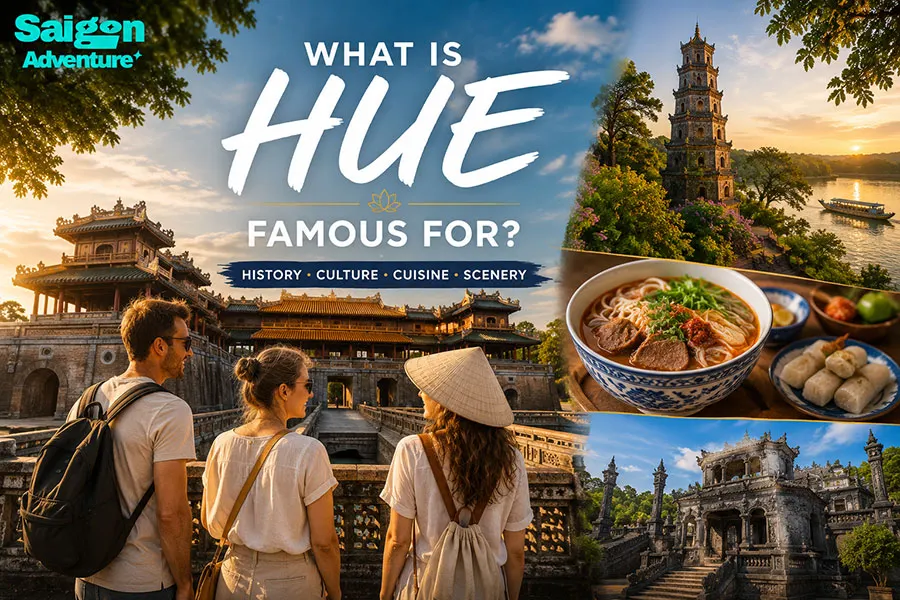
However, Hue is famous for far more than its historical landmarks. The city is also celebrated for its sophisticated royal cuisine, iconic Bun Bo Hue, tranquil riverside scenery, traditional music performances, and breathtaking landscapes surrounding the city, including the legendary Hai Van Pass.
Whether you’re planning a day trip from Da Nang or a longer journey through Central Vietnam, understanding what makes Hue so special will help you experience the city beyond its famous attractions. This guide explores the places, flavors, and cultural treasures that have made Hue one of Vietnam’s most unforgettable destinations.
Looking to explore beyond Southern Vietnam? Discover more unforgettable destinations through our Beyond Ho Chi Minh City Tours, featuring cultural experiences across Central and Northern Vietnam.
Why Is Hue One of Vietnam’s Most Historic Cities?
Few destinations in Southeast Asia preserve their royal heritage as beautifully as Hue. Between 1802 and 1945, the city served as the political, cultural, and religious center of Vietnam under the Nguyen Dynasty, the country’s last imperial dynasty. During this period, emperors commissioned magnificent palaces, ceremonial halls, temples, and gardens that reflected both Vietnamese traditions and sophisticated imperial architecture.
Today, many of these historic sites remain remarkably intact despite the challenges of war and time. Walking through Hue feels like stepping into an open-air museum, where every stone wall, ornate gate, and peaceful courtyard reveals another chapter of Vietnam’s fascinating history.
Unlike modern cities filled with skyscrapers and commercial districts, Hue maintains a slower pace that allows visitors to appreciate its heritage without feeling rushed. This balance between preservation and everyday local life creates an atmosphere that is both educational and deeply relaxing.
For travelers interested in Vietnam’s history, Hue offers one of the country’s richest cultural experiences, making it a must-visit destination for first-time visitors and returning travelers alike.

Hue Imperial Citadel: The Symbol of Vietnam’s Royal Legacy
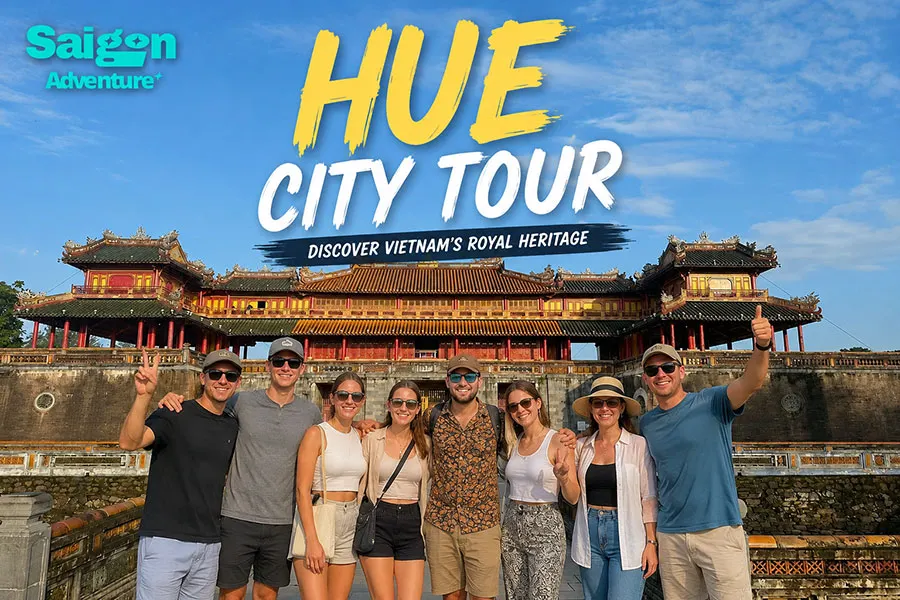
When people ask, “What is Hue famous for?”, the answer almost always begins with the Hue Imperial Citadel.
Built in the early 19th century, this enormous fortified complex served as the residence of the Nguyen emperors and the administrative heart of imperial Vietnam. Inspired by traditional Vietnamese principles while incorporating elements of Eastern military architecture, the Citadel is surrounded by massive stone walls, a wide moat, and elegant gates that immediately capture visitors’ attention.
Inside the complex lies the Imperial City, where royal ceremonies, political meetings, and important cultural events once took place. Visitors can explore beautifully restored palaces, ancient temples, royal gardens, and ceremonial courtyards while learning about the lives of Vietnam’s emperors.
Although parts of the Citadel were damaged during historical conflicts, extensive restoration efforts continue to preserve this remarkable UNESCO World Heritage Site. Today, it stands not only as Hue’s most famous attraction but also as one of Vietnam’s greatest architectural achievements.
The Royal Tombs That Reveal the Personalities of Vietnam’s Emperors
One of the most unique aspects of Hue is its collection of magnificent royal tombs scattered throughout the countryside. Rather than simply serving as burial places, these elaborate complexes were carefully designed to reflect each emperor’s philosophy, artistic taste, and vision of the afterlife.
Unlike many historical monuments that appear similar, every royal tomb in Hue has its own distinct character, making each visit a completely different experience.
Khai Dinh Tomb: A Blend of East and West
Among all the royal tombs, Khai Dinh Tomb is perhaps the most visually striking. Constructed using concrete, black stone, and imported European materials, it combines traditional Vietnamese symbolism with Gothic, Baroque, and French architectural influences.
Inside the main hall, intricate porcelain mosaics, colorful glass decorations, and an impressive bronze statue of Emperor Khai Dinh create one of the most luxurious interiors found anywhere in Vietnam. The dramatic staircase leading to the tomb also makes it one of Hue’s most photographed landmarks.
Minh Mang Tomb: Harmony with Nature
In contrast to Khai Dinh’s elaborate design, Minh Mang Tomb reflects balance, elegance, and harmony with nature. Surrounded by lakes, pine forests, lotus ponds, and carefully landscaped gardens, the complex showcases classical Vietnamese architecture at its finest.
The peaceful environment makes this tomb particularly appealing for travelers who appreciate photography, history, and quiet moments away from larger tourist crowds.
Thien Mu Pagoda: Hue’s Most Iconic Spiritual Landmark
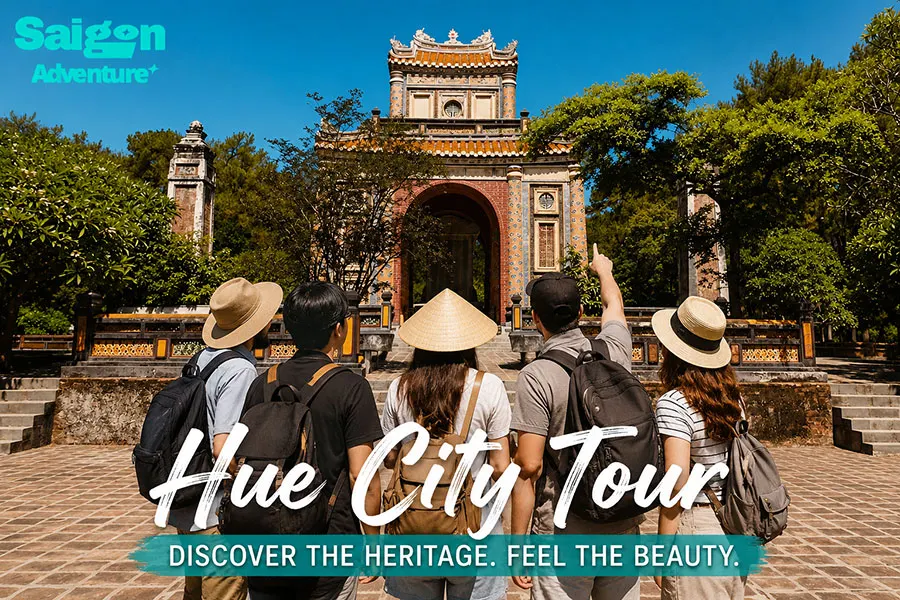
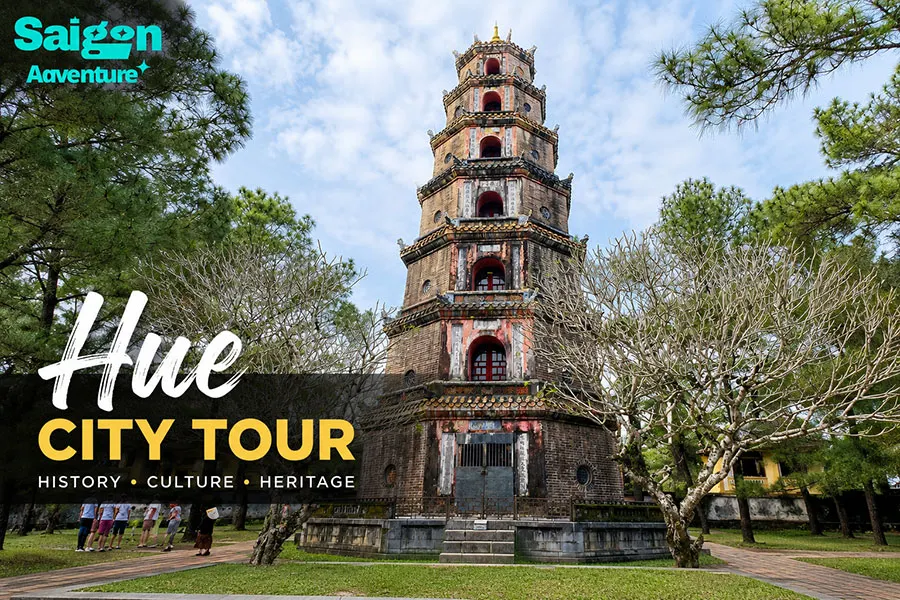
No visit to Hue is complete without stopping at Thien Mu Pagoda, one of the oldest and most recognizable religious sites in Vietnam. Perched on a gentle hill overlooking the Perfume River, the pagoda has become a symbol of Hue’s peaceful atmosphere and deep spiritual heritage.
The seven-story Phuoc Duyen Tower is the highlight of the complex and appears in countless photographs and travel guides. Beyond its beautiful architecture, the pagoda remains an active place of worship where monks continue centuries-old Buddhist traditions.
Visitors often come here not only to admire the historic buildings but also to enjoy the quiet gardens, river views, and calm surroundings. Early morning or late afternoon offers the best lighting and a more peaceful experience.
The Perfume River: The Soul of Hue
Flowing gently through the heart of the city, the Perfume River has shaped Hue’s identity for centuries. It connects many of the city’s most famous attractions, including the Imperial Citadel, Thien Mu Pagoda, and several royal tombs.
The river is especially beautiful at sunrise and sunset, when the water reflects the surrounding mountains and historic landmarks. A leisurely boat ride offers a different perspective of Hue and allows visitors to experience the city’s slower pace.
Along the riverbanks, you’ll find parks, cafés, walking paths, and local markets where everyday life unfolds. It’s a relaxing place to take a break between sightseeing stops.
Hue Is Famous for Its Incredible Local Cuisine
Hue is often considered one of Vietnam’s best food destinations. The city’s cuisine is known for its refined presentation, balanced flavors, and recipes passed down from the imperial court.
Unlike dishes from other regions, many Hue specialties combine bold spices with delicate preparation. Small portions encourage visitors to sample several dishes in one meal, making every dining experience both delicious and memorable.
Whether you’re eating at a family-run restaurant or a busy street stall, you’ll quickly discover why Hue is a favorite among food lovers.
Bun Bo Hue: Vietnam’s Famous Spicy Noodle Soup
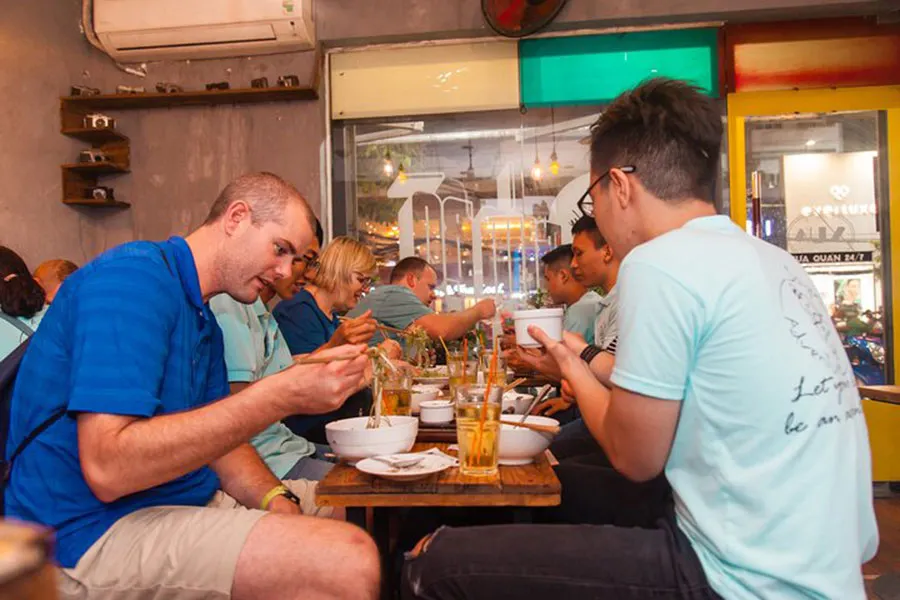
If there’s one dish you must try in Hue, it’s Bun Bo Hue. This rich beef noodle soup features a fragrant broth simmered with beef bones, lemongrass, shrimp paste, and chili oil.
Served with sliced beef, pork, herbs, and fresh vegetables, it delivers a bold yet balanced flavor that sets it apart from Pho. Many travelers consider Bun Bo Hue one of Vietnam’s finest noodle dishes.
Trying an authentic bowl in its hometown is an experience that food enthusiasts shouldn’t miss.
If tasting authentic local cuisine is your favorite way to travel, don’t miss our Ho Chi Minh City Food Tour, where you’ll discover Vietnam’s vibrant street food culture with local guides.
Traditional Hue Cakes
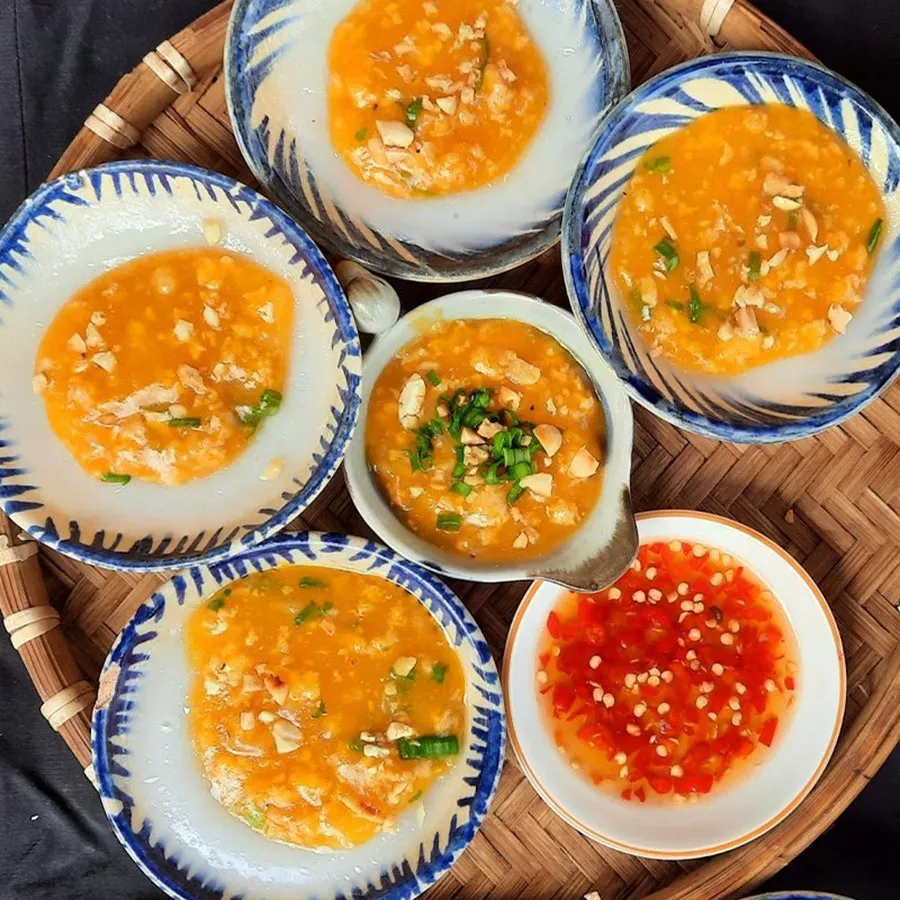
Hue is also famous for its colorful selection of traditional rice cakes. Favorites include Banh Beo, Banh Nam, and Banh Loc, each prepared with simple ingredients but packed with delicate flavors.
These bite-sized dishes are often topped with shrimp, crispy pork cracklings, or savory sauces. They’re affordable, easy to share, and perfect for anyone wanting to explore Hue’s local food culture beyond the famous noodle soup.
Many local eateries serve these specialties together, allowing visitors to taste several classic dishes in one sitting.
Royal Cuisine: Dining Like an Emperor
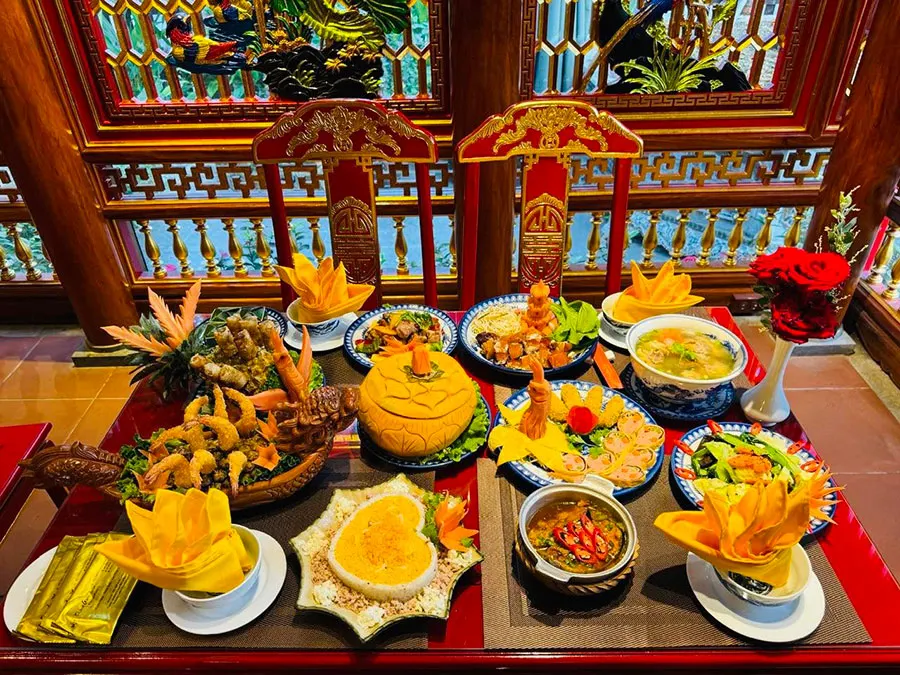
Hue’s royal cuisine reflects the elegance once enjoyed by Vietnam’s emperors. Many recipes originated in the imperial palace and were created to impress both visually and gastronomically.
Today, several restaurants recreate these historic meals using traditional cooking techniques and beautifully presented dishes. While the ingredients are familiar, the careful preparation and artistic presentation make royal cuisine a unique dining experience.
For travelers interested in Vietnamese culture, enjoying a royal-style dinner is one of the most memorable things to do in Hue.
Traditional Music and Cultural Heritage
Hue is more than ancient buildings and great food. The city is also famous for preserving many traditional art forms that have been recognized as an important part of Vietnam’s cultural heritage.
One of the most celebrated is Nha Nhac, the Royal Court Music of the Nguyen Dynasty. This elegant musical performance was once reserved for royal ceremonies and has been recognized by UNESCO as an Intangible Cultural Heritage.
Throughout the year, visitors can also experience traditional festivals, craft villages, calligraphy exhibitions, and cultural performances that keep Hue’s rich heritage alive for future generations.
Hai Van Pass: A Scenic Journey to Hue
Although technically located between Da Nang and Hue, the Hai Van Pass is often included in a Hue travel itinerary because of its breathtaking scenery.
Known as one of the most spectacular coastal roads in Southeast Asia, the pass offers panoramic views of mountains, forests, beaches, and the East Sea. The winding road is a favorite among photographers and road-trip enthusiasts.
Many travelers choose a Hue City Tour from Da Nang or Hoi An that includes stops at Hai Van Pass, allowing them to enjoy one of Vietnam’s most scenic drives before exploring Hue’s historic attractions.
Can You Visit Hue in One Day?
Yes, you can experience many of Hue’s highlights in a single day, especially if you’re traveling from Da Nang or Hoi An. A well-planned itinerary allows you to visit the Imperial Citadel, Khai Dinh Tomb, Thien Mu Pagoda, enjoy authentic Hue cuisine, and admire the scenic Perfume River.
However, if you have extra time, spending one or two nights in Hue provides a deeper appreciation of the city’s slower pace and cultural richness. You’ll have more opportunities to explore local markets, hidden cafés, traditional craft villages, and riverside streets away from the busiest tourist areas.
If you have more time, our Multi-Day Vietnam Tours let you experience Hue alongside other incredible destinations in Central Vietnam, creating a more immersive and rewarding travel experience.
For first-time visitors, joining a guided tour is often the easiest way to maximize your time while learning the fascinating stories behind each landmark.
Why a Guided Hue City Tour Is the Best Way to Explore
Hue is rich in history, but understanding its significance requires more than simply visiting famous landmarks. A knowledgeable local guide can explain the stories behind the emperors, royal traditions, architecture, and cultural customs that shaped Vietnam’s former imperial capital.
Many day tours also include convenient hotel transfers, entrance tickets, lunch, and transportation between attractions. This allows you to spend more time exploring and less time planning logistics.
If you’re staying in Da Nang or Hoi An, a professionally organized Hue City Tour offers one of the most convenient ways to discover the city’s highlights in a single day while traveling comfortably through the spectacular Hai Van Pass.
Frequently Asked Questions
What is Hue most famous for?
Hue is best known for the Imperial Citadel, royal tombs, Thien Mu Pagoda, the Perfume River, Bun Bo Hue, and its role as the former capital of the Nguyen Dynasty.
Is Hue worth visiting?
Absolutely. Hue offers a unique combination of history, culture, architecture, and local cuisine that differs from other destinations in Vietnam. It’s an excellent choice for travelers interested in authentic cultural experiences.
How many days should I spend in Hue?
One full day is enough to visit the main attractions, while two or three days allow you to enjoy museums, local neighborhoods, traditional food, and nearby cultural sites at a more relaxed pace.
What food is Hue famous for?
Hue is famous for Bun Bo Hue, Banh Beo, Banh Nam, Banh Loc, Com Hen, and elegant royal cuisine inspired by dishes once served in the imperial court.
When is the best time to visit Hue?
The best time to visit Hue is generally from February to April, when temperatures are pleasant and rainfall is relatively low, making sightseeing more comfortable.
Can I visit Hue from Da Nang in one day?
Yes. Many travelers take a day trip from Da Nang or Hoi An. A guided tour is the most convenient option because it includes transportation, sightseeing, and visits to the city’s major attractions.
Is Hue a UNESCO World Heritage Site?
Yes. The Complex of Hue Monuments was recognized as a UNESCO World Heritage Site in 1993 for its exceptional historical, cultural, and architectural significance.
Experience the Best of Hue with Saigon Adventure
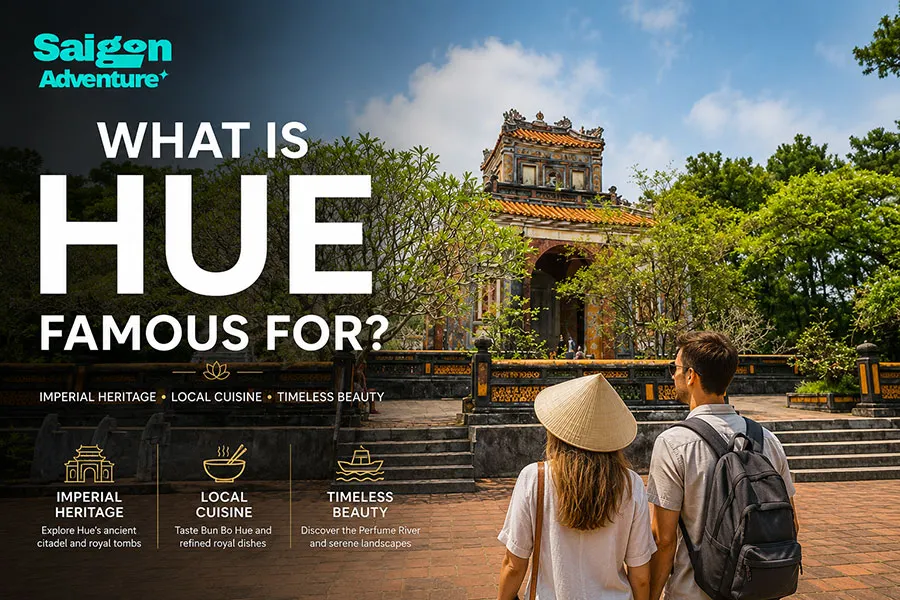
Hue is much more than an ancient capital—it’s a destination where history, culture, nature, and cuisine come together to create an unforgettable travel experience. From exploring the magnificent Imperial Citadel to tasting authentic Bun Bo Hue and cruising along the peaceful Perfume River, every moment reveals another side of Vietnam’s rich heritage.
Whether you’re fascinated by royal history, passionate about local food, or simply looking for breathtaking scenery, Hue offers something for every traveler. Its timeless charm continues to make it one of the country’s most rewarding destinations.
If you’re planning to visit Central Vietnam, don’t just see Hue—experience it with local experts who know the city’s hidden stories and cultural treasures.
Join our Hue City Tour for a memorable journey through Vietnam’s imperial past, complete with stunning landmarks, authentic local cuisine, and one of the country’s most scenic coastal drives via Hai Van Pass.