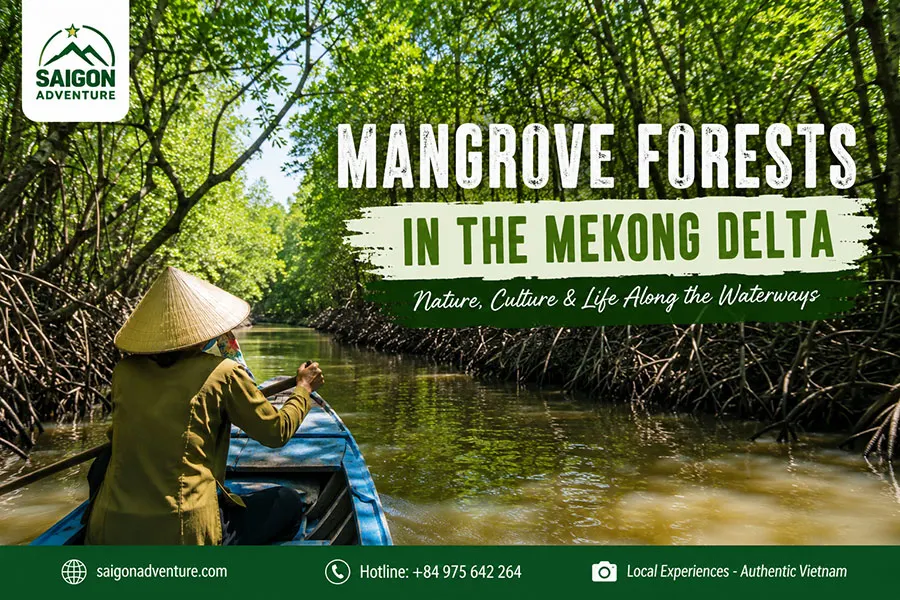
The Mekong Delta is often celebrated for its floating markets, lush fruit orchards, winding canals, and welcoming riverside communities. Yet beyond these iconic attractions lies another remarkable landscape that many international travelers overlook—the vast mangrove forests stretching along Vietnam’s southern coastline. These unique coastal forests are not only breathtaking to explore but also play a vital role in protecting the environment and supporting local livelihoods.
Unlike tropical rainforests, mangrove forests thrive where rivers meet the sea. Their tangled roots rise above the water, creating an extraordinary ecosystem where freshwater and saltwater blend together. As you glide quietly through narrow waterways lined with dense greenery, you’ll discover a peaceful side of the Mekong Delta that feels untouched by modern life.
For travelers seeking more than sightseeing, visiting a mangrove forest offers a chance to understand the Delta’s incredible biodiversity, learn about conservation efforts, and witness a landscape that has shaped local culture for centuries. Whether you’re passionate about wildlife photography, eco-tourism, or simply looking for a different perspective on southern Vietnam, mangrove forests deserve a place on your travel itinerary.
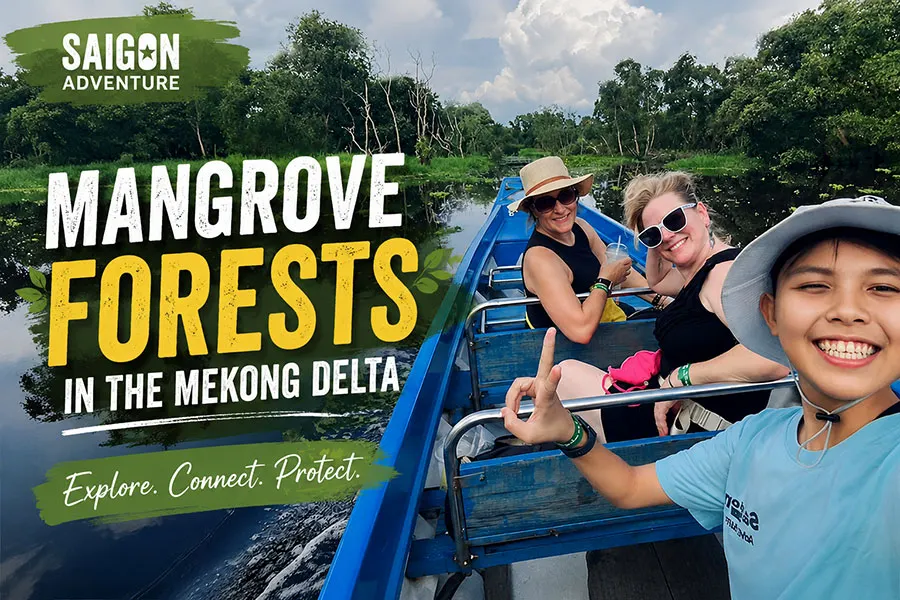
What Are Mangrove Forests?
Mangrove forests are coastal wetlands made up of salt-tolerant trees and shrubs that grow in tidal areas where rivers flow into the sea. Unlike most plants, mangroves have evolved remarkable adaptations that allow them to survive in salty water, unstable mud, and constantly changing tides.
One of the most fascinating features of mangrove trees is their exposed root systems. These roots extend above the muddy ground, allowing the trees to absorb oxygen while firmly anchoring themselves against strong tides and coastal erosion. During high tide, much of the forest appears partially submerged, creating an enchanting maze of roots and waterways.
In the Mekong Delta, mangrove forests flourish along the eastern and southern coastline, especially in provinces such as Ca Mau, Bac Lieu, Soc Trang, Tra Vinh, and Ben Tre. These forests form one of Southeast Asia’s most valuable coastal ecosystems, supporting thousands of species while protecting communities from storms and rising sea levels.
Unlike inland forests filled with towering hardwood trees, mangrove forests offer a unique atmosphere. The gentle movement of tidal water, the songs of birds hidden among the branches, and the quiet rhythm of nature create an experience unlike anywhere else in Vietnam.
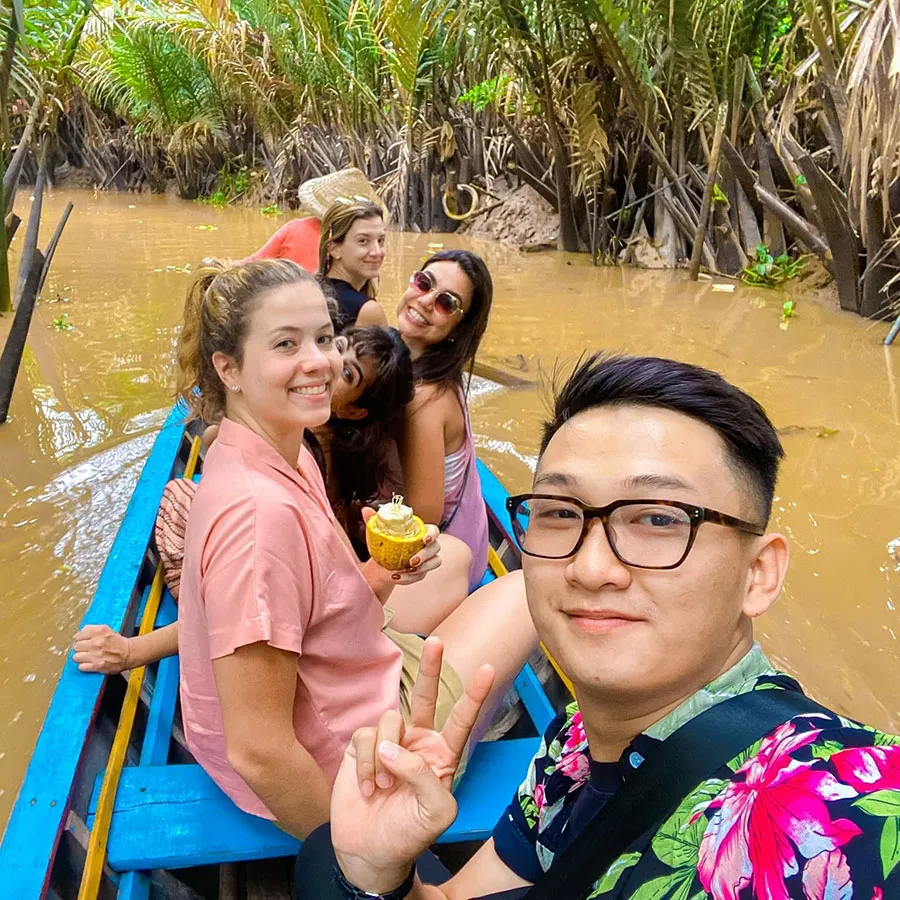
Why Mangrove Forests Matter
A Natural Shield for the Coastline
Mangrove forests serve as one of nature’s most effective coastal defense systems. Their extensive root networks stabilize muddy shorelines, reduce erosion, and help protect nearby villages from powerful waves and seasonal storms.
During tropical storms, mangroves absorb much of the wave energy before it reaches inhabited areas. This natural barrier has become increasingly important as climate change contributes to stronger weather events and rising sea levels across the Mekong Delta.
Without these forests, many coastal communities would face greater risks from flooding, saltwater intrusion, and land loss.
A Home for Incredible Biodiversity
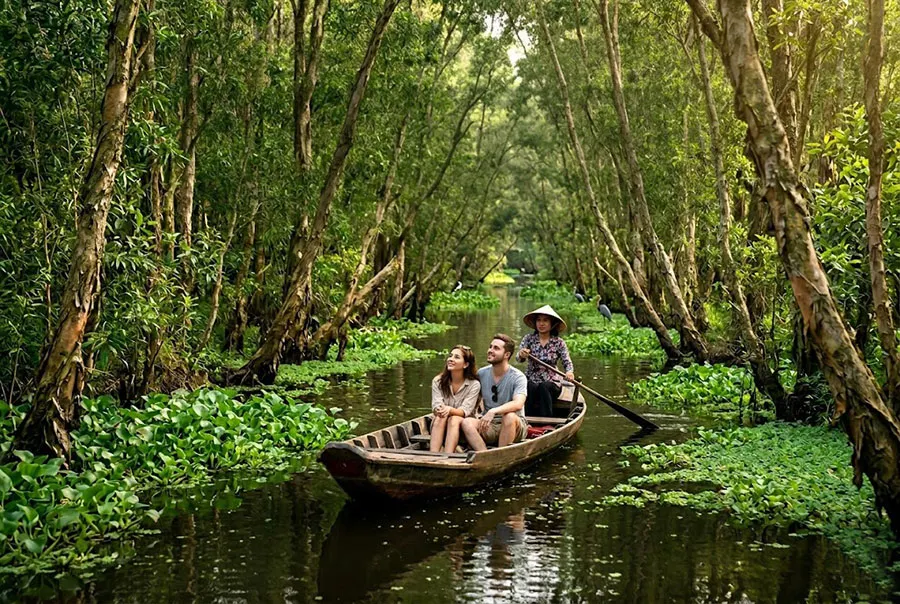
Beneath the calm surface of mangrove waterways exists a thriving ecosystem filled with life. The complex root systems create ideal nursery habitats where young fish, shrimp, and crabs can grow safely before moving into larger rivers and the open sea.
Above the water, countless birds find shelter among the branches. Depending on the season and location, visitors may spot herons, kingfishers, egrets, cormorants, and other wetland species searching for food along the muddy banks.
This rich biodiversity makes mangrove forests one of the most productive natural environments in Vietnam, supporting both wildlife and local fishing communities.
Supporting Local Communities
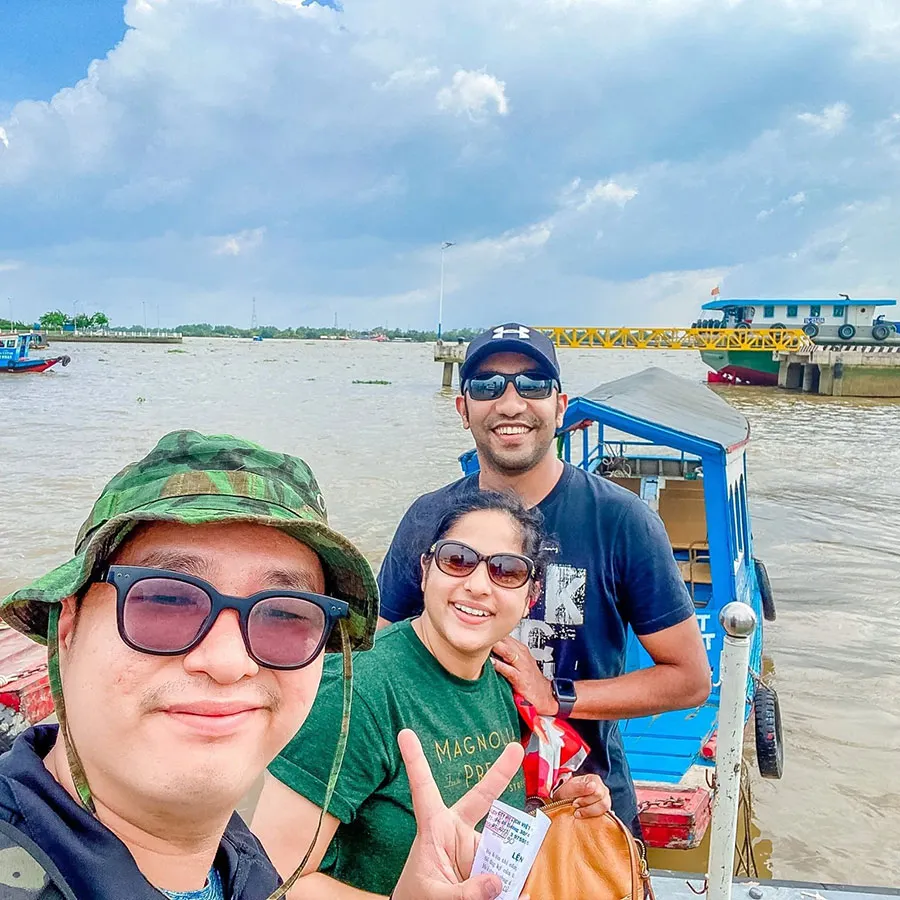
For generations, people living near mangrove forests have depended on these ecosystems for sustainable livelihoods. Local families harvest seafood such as mud crabs, shrimp, clams, and fish from surrounding waters while carefully balancing economic activities with environmental preservation.
In recent years, eco-tourism has created new opportunities for many communities. Guided boat tours, wildlife observation, and educational experiences now allow visitors to appreciate the forests while providing additional income that encourages conservation.
This balance between tourism and environmental protection demonstrates how responsible travel can directly benefit both nature and local residents.
Wildlife You May Encounter
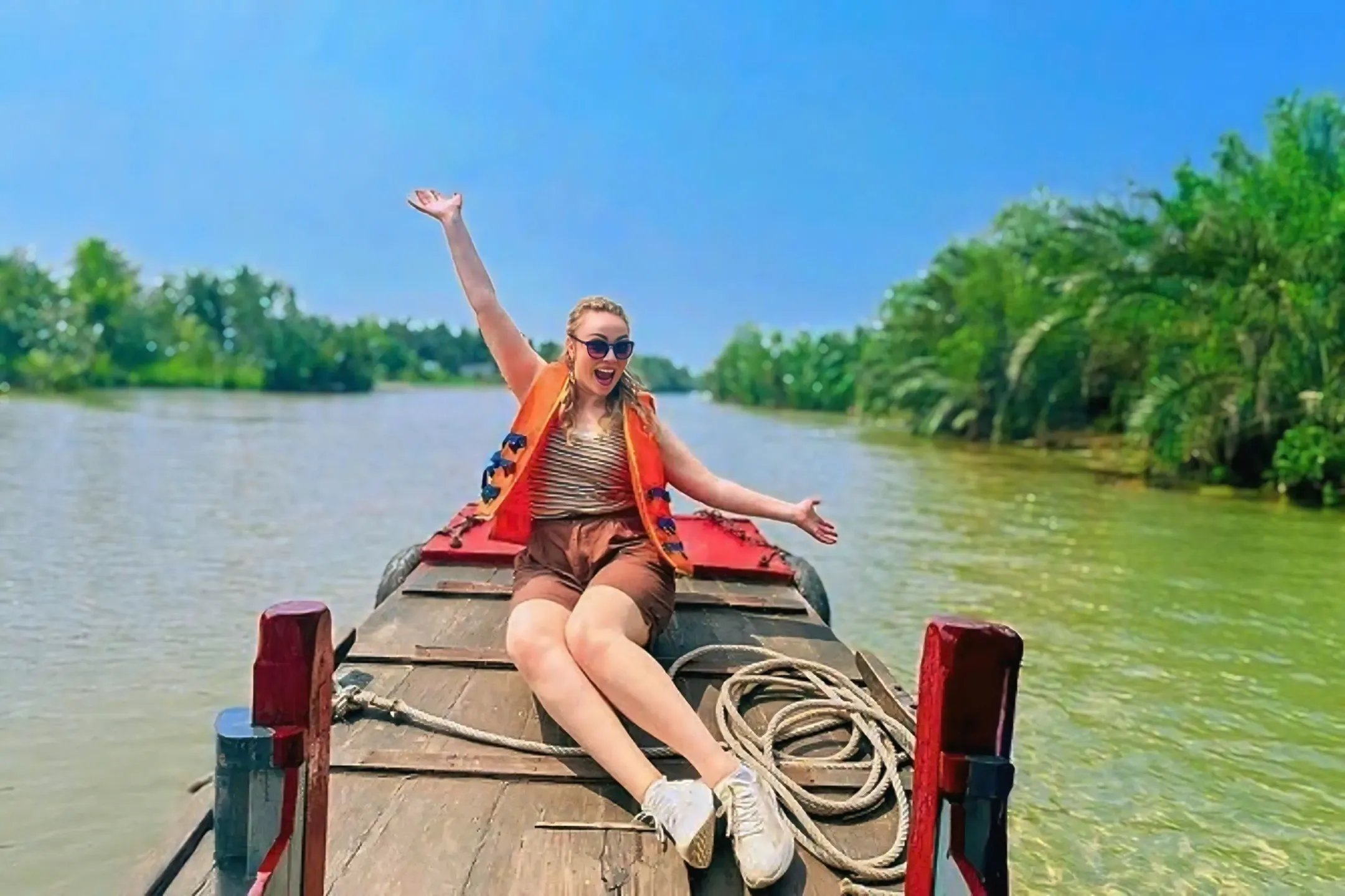
Exploring a mangrove forest feels like entering a living nature documentary. Although the landscape appears peaceful, it is home to an astonishing variety of wildlife that has adapted perfectly to tidal environments.
Colorful Birdlife
Birdwatchers often consider mangrove forests among the best places in southern Vietnam to observe native and migratory birds. Early mornings are especially rewarding, as birds become more active while searching for food.
You may see elegant white egrets standing motionless in shallow water, vibrant kingfishers diving for small fish, or graceful herons gliding above the treetops. During migration seasons, additional bird species arrive, making every visit slightly different from the last.
Fascinating Aquatic Creatures
The muddy shoreline is full of life. Tiny crabs scurry between exposed roots while mudskippers—remarkable fish capable of moving across wet mud—hop from one puddle to another. Beneath the surface, juvenile fish and shrimp find protection among the tangled roots before entering larger waterways.
For photographers, these small creatures provide endless opportunities for close-up wildlife photography.
Mammals and Reptiles
Some larger mangrove areas also support monkeys, otters, water monitors, and numerous reptiles. While sightings depend on the location and season, experienced local guides often know the best times and places to observe wildlife without disturbing its natural behavior.
The diversity of species found within these forests highlights just how important mangrove ecosystems are to the health of the entire Mekong Delta.
The Best Places to Experience Mangrove Forests in the Mekong Delta
Ca Mau Province
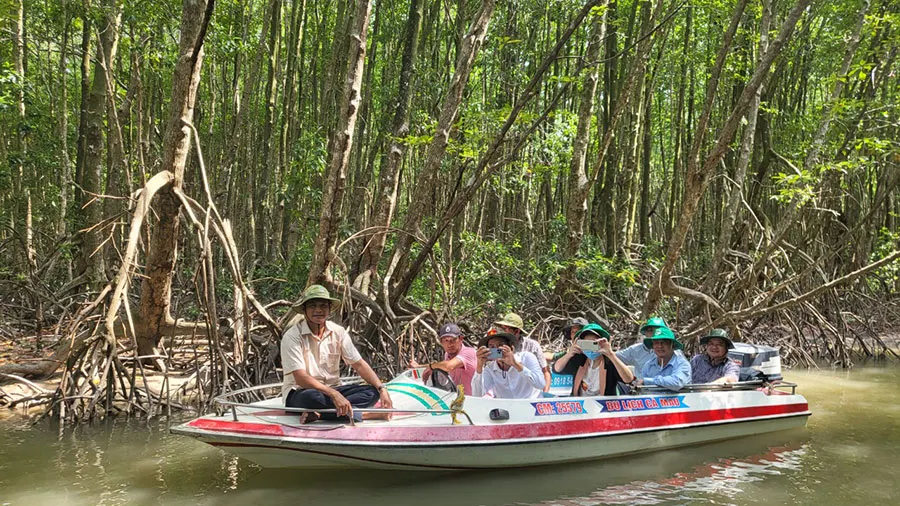
Located at Vietnam’s southernmost point, Ca Mau is home to some of the country’s largest and most impressive mangrove forests. Here, visitors can explore peaceful waterways that wind through dense forests while learning about one of Vietnam’s most significant coastal ecosystems.
The untouched scenery, abundant wildlife, and tranquil atmosphere make Ca Mau a favorite destination for eco-travelers looking to escape crowded tourist attractions.
Bac Lieu Province
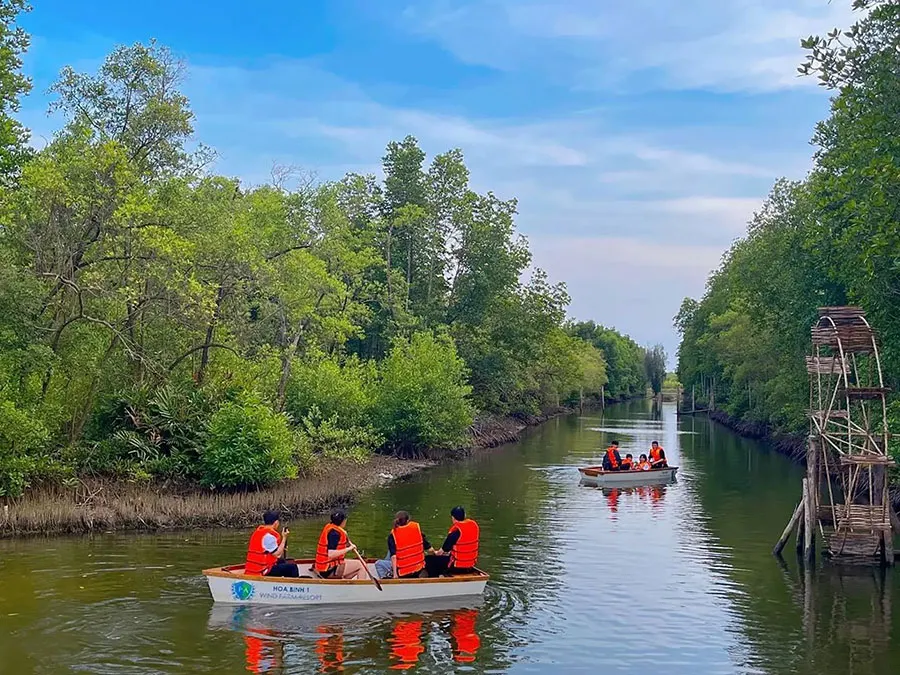
Bac Lieu combines beautiful coastal mangroves with rich birdlife and quiet fishing communities. Visitors often enjoy slow boat rides through narrow canals while observing the natural rhythm of daily life along the coastline.
Compared with more popular tourist destinations, Bac Lieu offers a more authentic and less commercialized experience, making it ideal for travelers who appreciate nature and local culture.
Tra Vinh and Soc Trang
Tra Vinh and Soc Trang are often associated with Khmer culture, peaceful rural landscapes, and beautiful coastal wetlands. While they may not receive as much international attention as other parts of the Mekong Delta, these provinces offer excellent opportunities to experience mangrove forests in a quieter, more authentic setting.
Here, visitors can cruise through shaded waterways, observe traditional fishing activities, and enjoy the peaceful atmosphere that defines life along Vietnam’s southern coast. The slower pace allows travelers to appreciate the intricate relationship between local communities and the natural environment.
These lesser-known destinations are perfect for those who enjoy discovering places beyond the typical tourist trail.
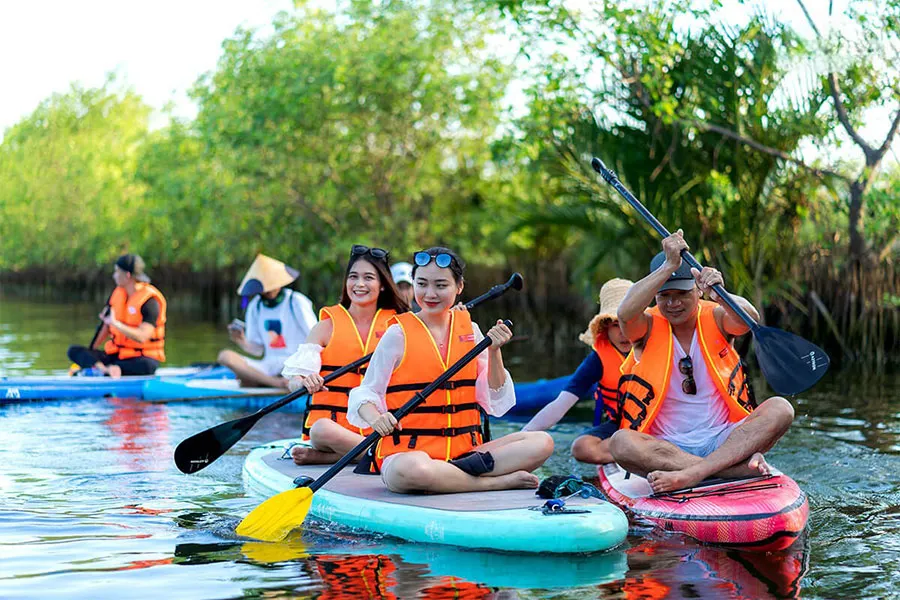
Can You Visit Mangrove Forests on a Mekong Delta Tour?
Absolutely. While many travelers associate a Mekong Delta Tour with floating markets and fruit orchards, several itineraries also include visits to mangrove forests, particularly on routes that explore the Delta’s coastal provinces.
A guided tour offers several advantages. Local guides understand the tides, know where wildlife is most active, and can explain the ecological importance of the forests in ways that independent travelers often miss. Instead of simply passing through, you’ll gain a deeper appreciation of how these remarkable ecosystems support both nature and local communities.
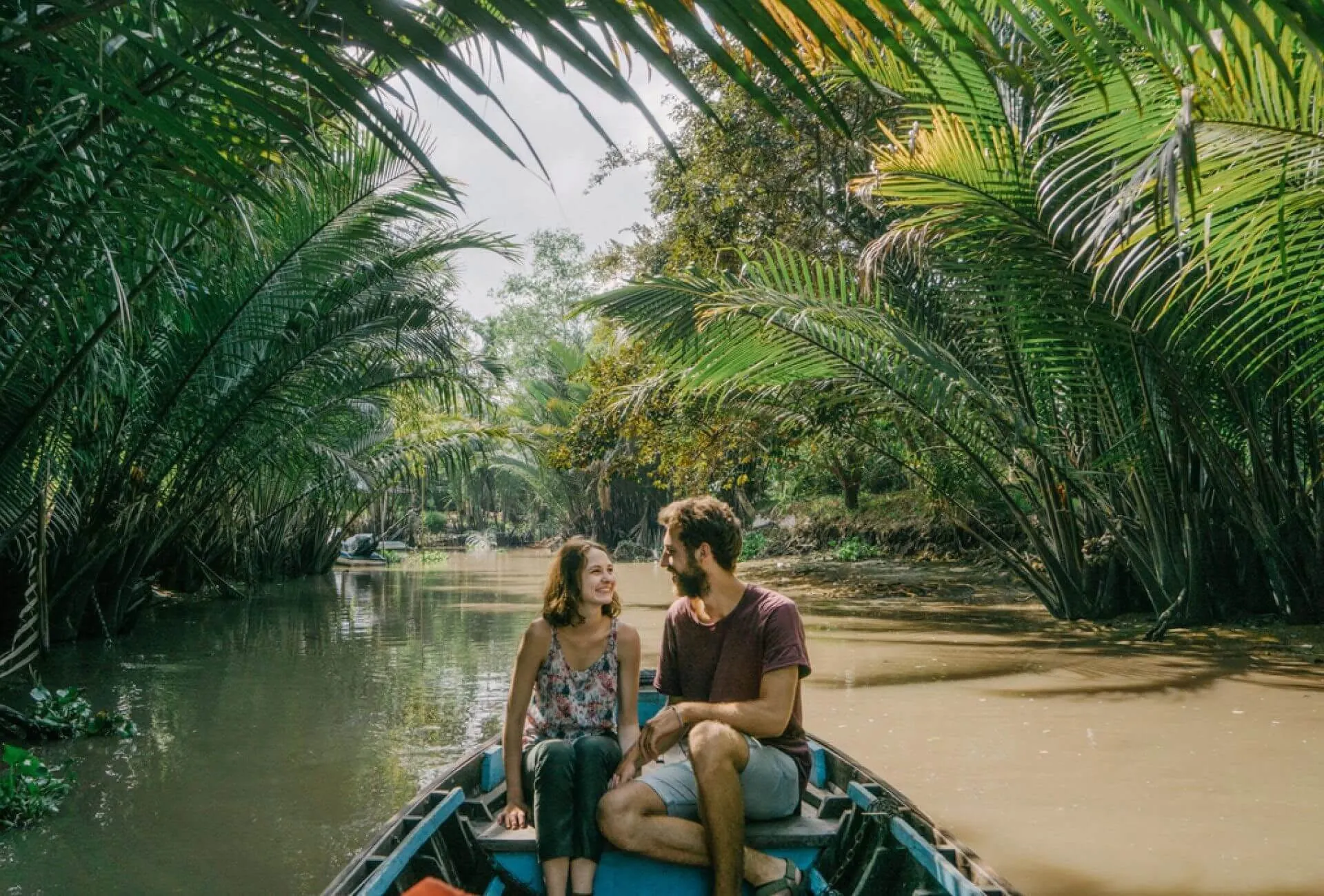
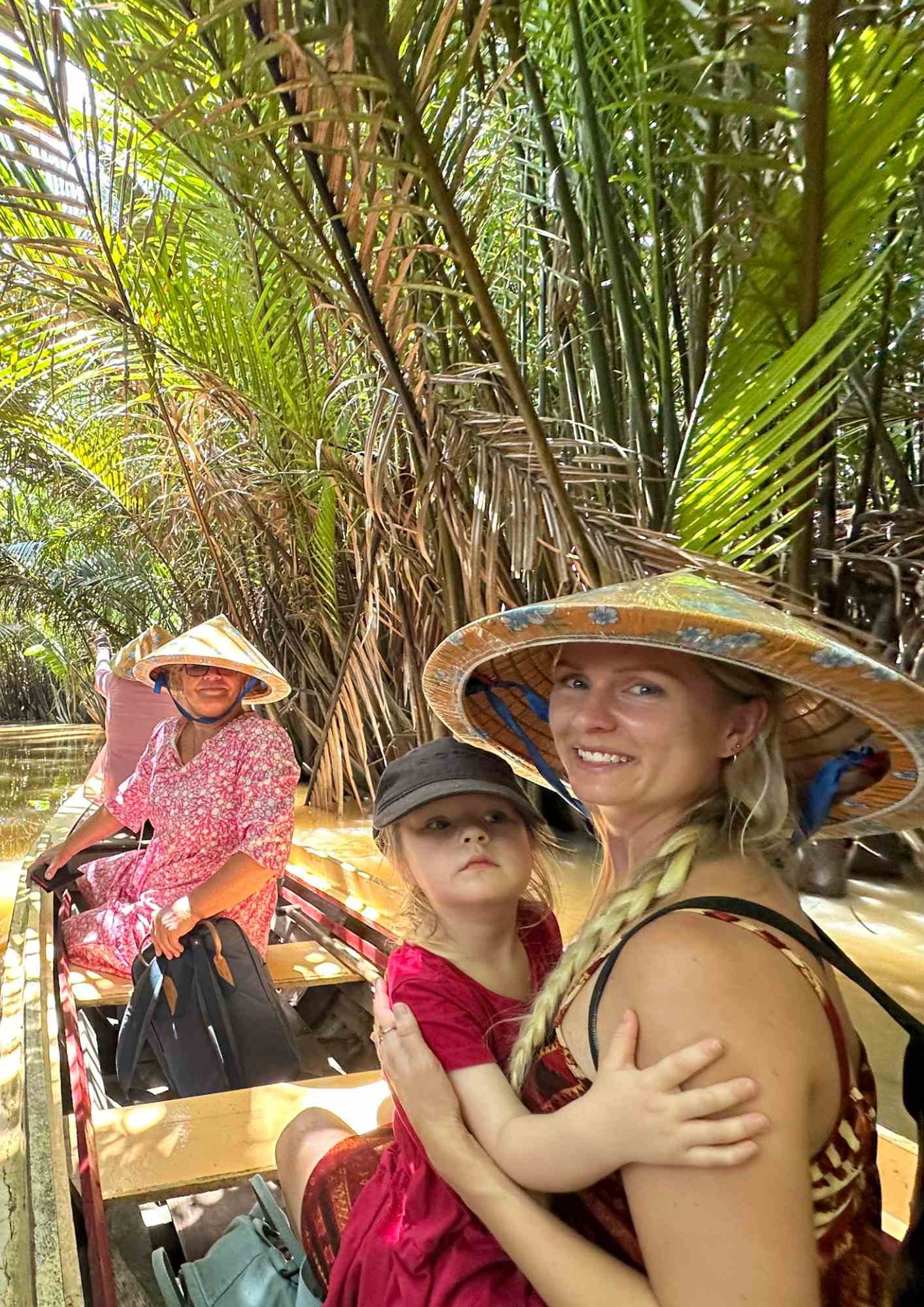
Boat trips are usually slow and relaxing, allowing visitors to fully enjoy the peaceful surroundings. As the boat glides beneath overhanging branches, you’ll hear birds calling overhead, watch crabs moving across muddy banks, and witness a side of Vietnam that remains largely untouched.
If you’re planning a longer adventure in southern Vietnam, combining a mangrove forest visit with floating markets, local villages, and riverside cuisine creates a far more rewarding experience than focusing on just one attraction.
Best Time to Visit Mangrove Forests in the Mekong Delta
Mangrove forests can be visited throughout the year, but choosing the right season will enhance your experience.
Dry Season (December to April)
This is generally considered the best time to visit. Comfortable temperatures, lower humidity, and calmer weather make boat trips more enjoyable. Clear skies also provide excellent lighting for photography.
Wildlife is often easier to observe during the dry season as birds gather around tidal channels and exposed mudflats.
Rainy Season (May to November)
The rainy season transforms the forests into an even greener landscape. Short tropical showers are common, but they are usually followed by fresh, cool air and dramatic scenery.
Fewer visitors travel during these months, making it an attractive option for those seeking a quieter experience. Bringing lightweight rain gear is recommended.
Visit Early in the Morning
Regardless of the season, early morning offers the most rewarding conditions. Wildlife is more active, temperatures remain comfortable, and the soft golden light creates beautiful reflections across the calm waterways.
Sustainable Tourism and Conservation
Mangrove forests are among the world’s most valuable ecosystems, yet they face growing environmental challenges. Coastal development, shrimp farming, pollution, and climate change have reduced mangrove coverage in some areas of the Mekong Delta over recent decades.
Fortunately, many conservation programs are helping restore these important habitats. Local communities, environmental organizations, and government agencies are working together to replant mangrove trees, protect wildlife, and encourage sustainable tourism.
As a visitor, you can also make a positive contribution by choosing responsible tour operators and following simple environmental practices.
Responsible travel includes:
- Avoid leaving any litter behind.
- Stay on designated boat routes.
- Do not disturb birds or other wildlife.
- Respect protected conservation areas.
- Support local businesses that promote sustainable tourism.
Small actions from every visitor help preserve these extraordinary forests for future generations.
Travel Tips for Exploring Mangrove Forests
A little preparation will make your visit more comfortable and enjoyable.
Wear Comfortable Clothing
Choose lightweight, breathable clothing suitable for Vietnam’s tropical climate. Long sleeves and lightweight trousers can also help protect against mosquitoes.
Bring Sun Protection
Although the forest provides shade in many places, open waterways can become very sunny. Sunscreen, sunglasses, and a wide-brimmed hat are highly recommended.
Pack Insect Repellent
Mosquitoes are a natural part of wetland environments, particularly during the late afternoon and after rainfall.
Carry a Camera with a Zoom Lens
Wildlife often remains at a distance to avoid human activity. A zoom lens allows you to photograph birds and animals without disturbing them.
Respect Nature
One of the greatest pleasures of visiting mangrove forests is their tranquility. Keeping noise to a minimum allows everyone to enjoy the peaceful surroundings while increasing your chances of spotting wildlife.
Why Mangrove Forests Are Worth Adding to Your Mekong Delta Itinerary
The Mekong Delta offers far more than floating markets and scenic canals. Its mangrove forests reveal another side of southern Vietnam—one where nature, wildlife, and local communities exist in remarkable harmony.
Exploring these coastal forests provides an opportunity to slow down and experience Vietnam beyond the usual tourist attractions. Every winding waterway, every tangled root, and every bird soaring above the trees tells the story of an ecosystem that has protected the coastline and sustained generations of local families.
Whether you’re an eco-traveler, wildlife enthusiast, photographer, or simply someone looking for authentic experiences, mangrove forests offer unforgettable moments that cannot be found in busy cities or crowded destinations.
Adding a mangrove forest excursion to your journey allows you to discover one of the Mekong Delta’s most valuable natural treasures while supporting responsible tourism and environmental conservation.
Frequently Asked Questions
Are mangrove forests included in every Mekong Delta tour?
No. Some day trips focus on floating markets, local villages, or fruit orchards. If visiting mangrove forests is a priority, choose an itinerary that explores the Delta’s coastal regions.
Are mangrove forests suitable for families?
Yes. Most boat excursions are gentle and suitable for travelers of all ages. Families with children often enjoy observing wildlife and learning about the unique ecosystem.
Can I see wildlife throughout the year?
Yes. Wildlife can be seen year-round, although bird activity is generally highest during the early morning and varies with the season.
How long should I spend exploring a mangrove forest?
A two- to three-hour boat excursion offers enough time to appreciate the scenery, observe wildlife, and learn about the ecosystem. Longer multi-day Mekong Delta itineraries provide even greater opportunities to explore remote coastal areas.
Discover the Natural Side of the Mekong Delta
If you’re looking for an experience that goes beyond the well-known floating markets, make time to explore the mangrove forests of the Mekong Delta. These peaceful coastal wetlands showcase Vietnam’s incredible biodiversity, breathtaking landscapes, and deep connection between nature and local life.
Whether you’re planning your first visit or returning to discover more of southern Vietnam, a well-designed Mekong Delta Tour that includes mangrove forests offers an unforgettable journey through one of Southeast Asia’s most remarkable ecosystems. It’s a chance to experience authentic Vietnam, support sustainable tourism, and create memories that last long after your trip has ended.
Explore our best-selling tours
 Bestseller
Cu Chi Tunnels & Mekong Delta 1-Day Tour from Ho Chi Minh City
EXCURSION HIGHLIGHTS: AT CU CHI TUNNELS Watch Documentary Video (Only Showed In This Place) Experience The Thrill Of Crawling Into...
 Bestseller
Mekong Delta Tour
The Mekong Delta is celebrated as one of the world's most vital biological wonders and a premier cultural destination in...
 Bestseller
A Less-Touristy Mekong Delta Day Trip to Ben Tre
Delta Tour 1 Day from Ho Chi Minh City, exploring the peaceful waterways and coconut villages of Ben Tre. This...
 Bestseller
Mekong Delta Tour by Luxury Speed Boat
OVERVIEW Hotel pickup: From 8:00 AM in District 1 Tour duration: Approximately 8 hours Group size: Maximum 12 guests Price:...
 Bestseller
Mekong Delta 2 Days Tour – Floating Market Group Tour
Cai Rang floating market – one of the largest floating market in the Mekong Delta is a rare sight in...
 Bestseller
3-Day Mekong Delta Private Tour – 3 Days 2 Nights
Tourists often choose to explore and experience this unique floating market by boat when participating in tours exploring the Mekong...
 Bestseller
12-Hour Cai Rang Floating Market & My Tho Tour From Saigon
ABOUT THIS TOUR Discover the Cai Rang floating market, a colorful, buzzing market with hundreds of boat vendors selling fruits,...
 Bestseller
Mekong Delta One Day Group Tour
ABOUT THIS MEKONG DELTA TOUR Departure: 8:00 AM Drop off time: 5:30 PM to 6:30 PM Small group travel experience...
 Bestseller
Can Tho: Floating Market & Garden Life in the Delta
FLOARING MARKET TOUR Note: This tour pick up and drop off in Can Tho only The Ultimate Can Tho Floating...

2 DAYS MEKONG DELTA FLOATING MARKET – CAN THO – RACH GIA
Join Saigon Adventure for our exclusive 2-Day tour, highly recommended among the best Mekong Delta tours for travelers who want...

2 Days Mekong Delta Homestay
Looking for an authentic Mekong Delta Homestay experience? Keep your travel plan flexible - book your spot now and pay...
Private 2 Days Mekong Delta Floating Market (Mekong Delta Tour 2 Days)
The Ultimate Mekong Delta Discovery: 2-Day Cultural Odyssey Experience the vibrant soul of Southern Vietnam’s wetlands. The Cai Rang Floating...