
Why Every Mekong Delta Tour Includes a Bee Farm
If you’ve looked at popular Mekong Delta itineraries, you’ve probably noticed that many include a stop at a local bee farm. That’s because these small family-run farms perfectly represent the region’s combination of agriculture, nature, and hospitality. Unlike large commercial honey producers, most bee farms in the Mekong Delta operate on a small scale. Families care for their hives inside fruit gardens filled with longan trees, coconut palms, pomelo blossoms, and countless tropical flowers. The bees naturally collect nectar from these plants, producing fragrant honey that reflects the surrounding landscape. A visit typically lasts between 20 and 40 minutes, but it leaves a lasting impression. Instead of rushing through another tourist attraction, you’ll slow down, enjoy the peaceful countryside, and experience everyday life in a way that’s difficult to find in busy cities. For many visitors, this quiet stop becomes one of the most memorable moments of the entire journey.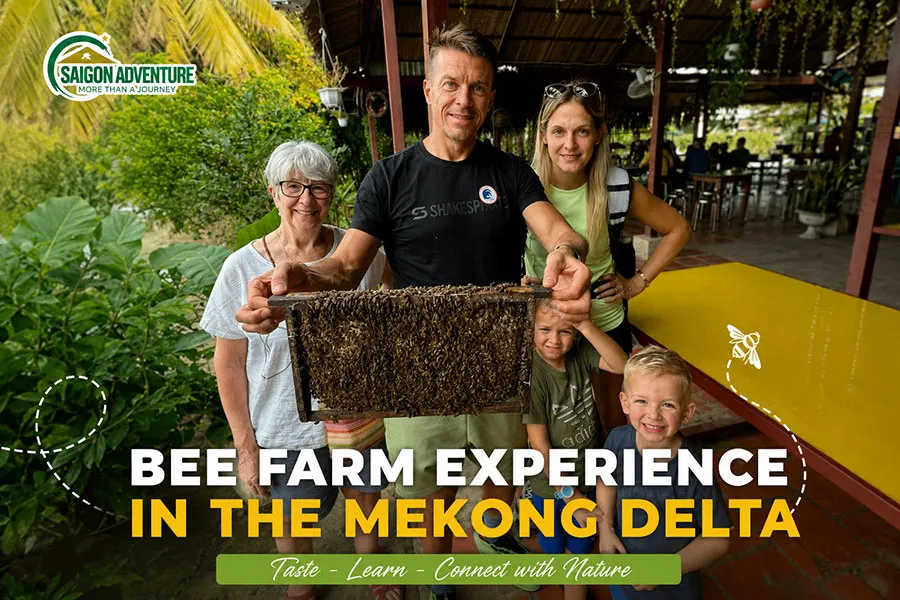
What Makes Mekong Delta Honey So Special?
Not all honey tastes the same. The flavor depends largely on the flowers visited by the bees, and the Mekong Delta offers one of Vietnam’s richest natural environments for honey production. Throughout the year, bees collect nectar from:- Longan blossoms
- Coconut flowers
- Rambutan trees
- Pomelo flowers
- Mango orchards
- Wild tropical plants
- Seasonal fruit gardens
Arriving at a Traditional Bee Farm
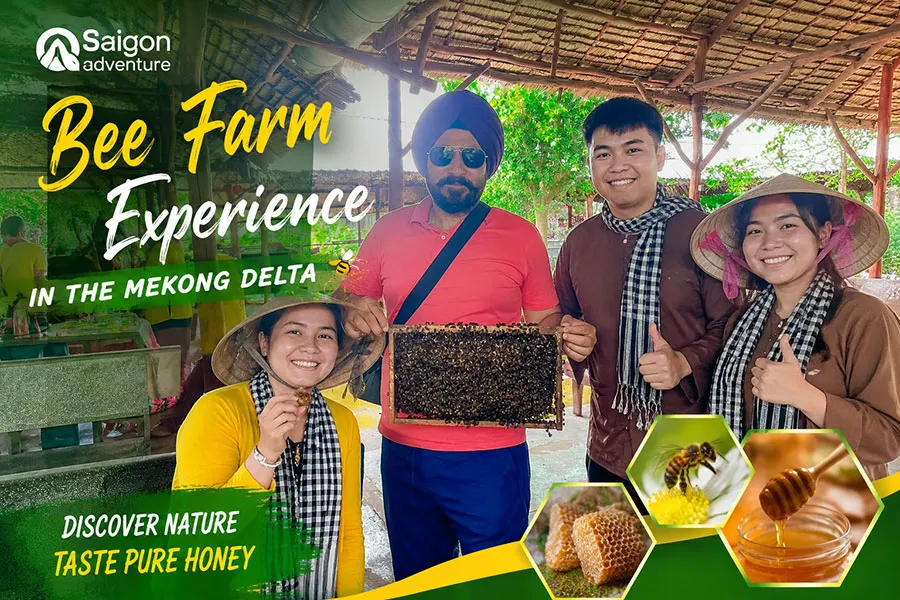
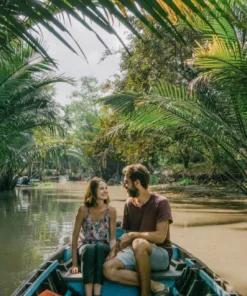
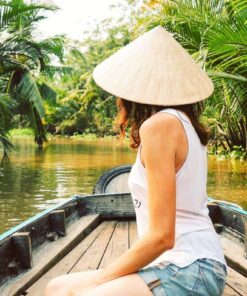
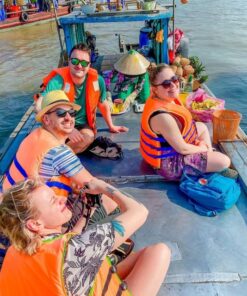
One of the most enjoyable parts of the experience is simply getting there. After cruising along the Mekong River, your boat turns into smaller canals shaded by towering coconut palms and dense tropical vegetation. The busy waterways gradually disappear, replaced by quiet villages where daily life moves at a slower pace. Many itineraries also include a traditional sampan ride through narrow coconut canals, offering one of the most iconic experiences in southern Vietnam. Gliding quietly through these peaceful waterways allows visitors to experience the Mekong Delta from a unique perspective while observing everyday life along the riverbanks. As you step onto the narrow pathways leading into the orchard, you’ll immediately notice the difference. The air feels fresher, birds sing overhead, butterflies drift between flowers, and hundreds of bees quietly move from blossom to blossom. Rather than noisy machinery or large factory buildings, you’ll find wooden shelters, neatly arranged beehives, flowering gardens, and welcoming local hosts. It’s a peaceful environment that perfectly reflects the relaxed rhythm of the Mekong Delta countryside.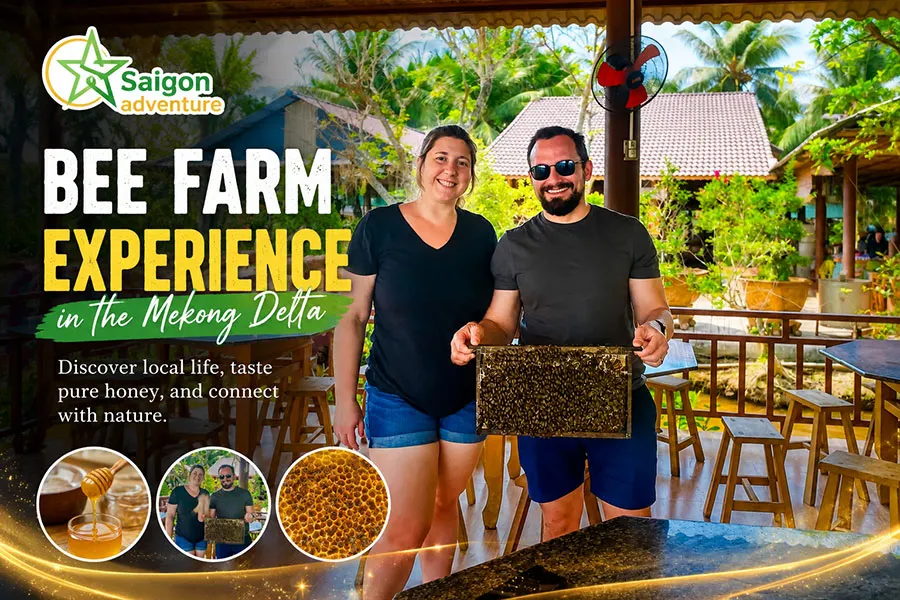
What Happens During a Bee Farm Visit?
Learn How Local Beekeepers Care for Their Bees
Your guide or local beekeeper usually begins by introducing the bee colonies and explaining how they are managed throughout the year. You’ll learn fascinating facts such as:- The important role of the queen bee
- How thousands of worker bees cooperate
- How bees communicate with one another
- Why pollination is essential for fruit production
- How local families harvest honey without harming the colony
- How sustainable beekeeping helps protect biodiversity
Watch a Live Demonstration
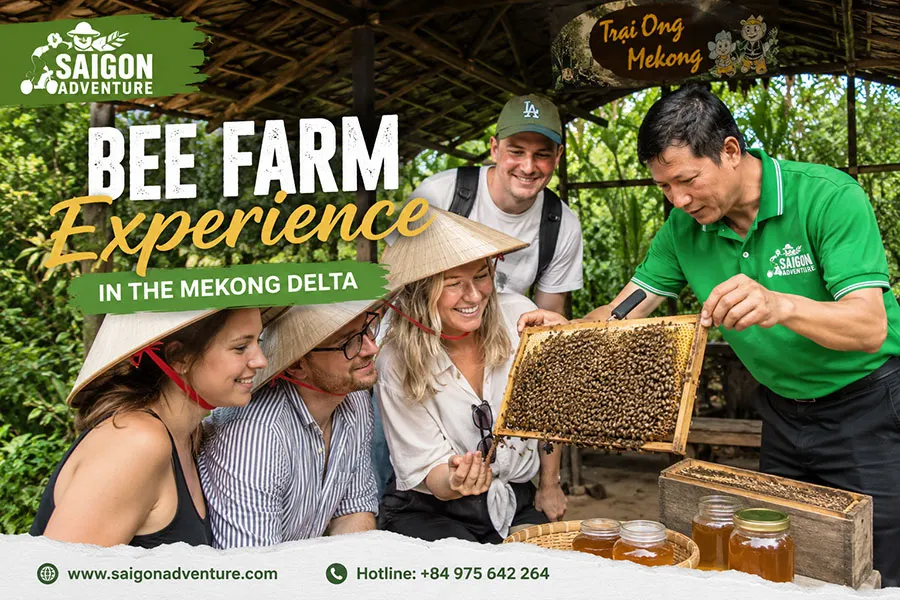
One of the highlights is watching an experienced beekeeper carefully remove a frame from a hive. With calm, practiced movements, they show visitors how the bees continue working peacefully while honey is collected responsibly. Seeing thousands of bees up close may seem intimidating at first, but most travelers quickly realize that the insects remain remarkably calm when handled correctly. It’s an educational experience that helps replace fear with curiosity and respect for these remarkable creatures.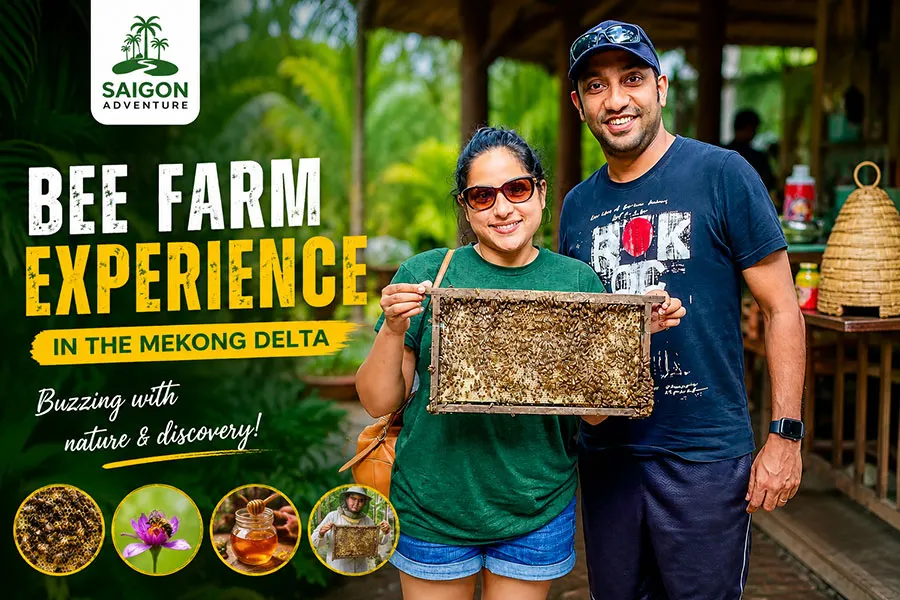
Taste Fresh Honey Straight from the Source
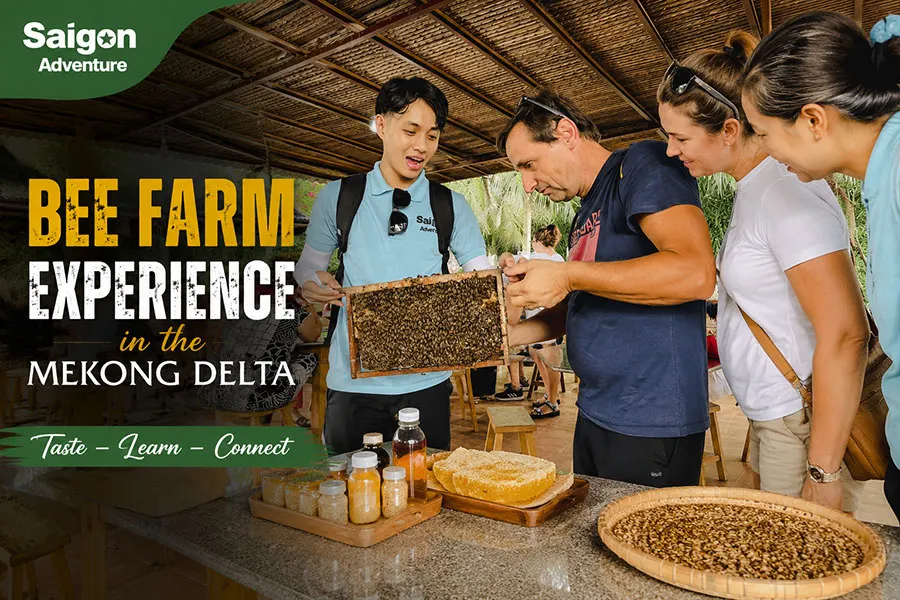
No bee farm visit is complete without tasting freshly harvested honey. Served only moments after being collected, the honey is incredibly fresh and noticeably different from the processed varieties found in supermarkets. Most bee farms prepare a refreshing honey drink by mixing local honey with warm tea, fresh lime, or kumquat. The combination creates a light, naturally sweet beverage that’s perfect after exploring under Vietnam’s tropical sun. Some farms also offer small tastings of raw honey served directly from the comb, allowing visitors to appreciate its rich aroma and silky texture. For many international travelers, it’s their very first opportunity to taste honey exactly as nature intended.More Than Honey: Experience Genuine Vietnamese Hospitality
Although the honey is excellent, what truly makes the visit unforgettable is the warmth of the local people. Most bee farms are operated by families who have lived in the Mekong Delta for decades. Rather than treating visitors as customers, they often welcome them like guests into their gardens. It’s common to see family members preparing tea, sharing stories about village life, or proudly explaining how their grandparents first started keeping bees. These conversations provide insights that no museum or guidebook can fully capture. Even when language differences exist, smiles, gestures, and shared experiences create meaningful connections that leave a lasting impression.How Bee Farms Support Sustainable Tourism
Responsible tourism is becoming increasingly important for travelers who want their holidays to have a positive impact. Visiting a traditional bee farm directly supports local communities while encouraging environmentally friendly farming practices.Protecting Local Ecosystems
Healthy bee populations play a critical role in maintaining the Mekong Delta’s biodiversity. As bees pollinate fruit trees and flowering plants, they help ensure successful harvests throughout the region. This natural process supports local farmers while reducing the need for artificial interventions.Preserving Family Traditions
Income from tourism allows small family businesses to continue traditional beekeeping instead of replacing it with large-scale commercial agriculture. By visiting these farms, travelers contribute to preserving skills and knowledge that have been passed down through generations.Encouraging Responsible Travel
Rather than focusing only on famous attractions, bee farm visits encourage visitors to appreciate everyday rural life. This slower style of travel creates more meaningful cultural exchanges while benefiting local communities directly.Why Families Love This Experience
A bee farm is one of the most family-friendly stops on a Mekong Delta tour. Children enjoy seeing real beehives for the first time, while adults appreciate learning about sustainable agriculture and local traditions. Because the visit combines education, nature, food, and culture, it appeals to travelers of all ages. Instead of simply taking photographs, families leave with new knowledge, memorable conversations, and a greater appreciation for the natural world.The Best Time to Visit a Bee Farm in the Mekong Delta
One of the advantages of visiting a bee farm is that it’s an experience you can enjoy throughout the year. However, each season offers a slightly different atmosphere depending on the weather and flowering cycle of the surrounding orchards.Dry Season (December to April)
The dry season is widely considered the best time to explore the Mekong Delta. Sunny skies, comfortable temperatures, and calm waterways make boat trips especially enjoyable. During these months, bee farms are pleasant to visit, and the natural light is ideal for photography.Fruit Season (May to August)
This is one of the most exciting times to visit. Many orchards are filled with ripe tropical fruits, creating a colorful landscape where bees actively collect nectar from flowering trees. Travelers can often combine a bee farm visit with fruit tasting, making the experience even more rewarding.Green Season (September to November)
Although short tropical showers are common, the countryside becomes incredibly lush. Rivers are full, gardens are vibrant, and the peaceful atmosphere makes this season a favorite for photographers and nature lovers. No matter when you visit, a bee farm offers a relaxing escape into the heart of the Mekong Delta.Can You Buy Local Honey?
Yes. Most traditional bee farms sell locally produced honey that visitors can purchase as a souvenir. Unlike mass-produced products found in supermarkets, honey from the Mekong Delta is usually harvested in small batches and bottled by local families. Depending on the season, you may also find:- Pure wildflower honey
- Longan blossom honey
- Honey infused with royal jelly
- Bee pollen
- Propolis products
- Natural beeswax items
Tips for Visiting a Bee Farm
A little preparation will help you enjoy the experience even more. Wear Comfortable Clothing Lightweight clothing and comfortable walking shoes are ideal, as you’ll likely explore gardens and village paths before or after visiting the bee farm. Avoid Strong Perfumes Strong fragrances may attract bees unnecessarily. Unscented sunscreen or insect repellent is usually the better choice. Stay Calm Around the Hives Honeybees are generally gentle when left undisturbed. Simply follow your guide’s instructions, avoid sudden movements, and enjoy observing them from a respectful distance. Bring a Camera Bee farms offer countless opportunities for beautiful travel photography. From golden honeycomb and wooden hives to smiling local beekeepers and tropical gardens, every corner tells a story of countryside life.Other Experiences That Pair Perfectly with a Bee Farm Visit
A bee farm is rarely the only highlight of a Mekong Delta adventure. Most full-day tours combine several authentic experiences that showcase the region’s unique culture and landscapes.Cruise Through Peaceful Canals
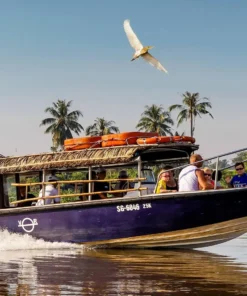
Travel by traditional wooden boat along narrow waterways lined with coconut palms and nipa palms. These quiet canals reveal a slower side of the Delta that’s impossible to experience by road.Ride a Traditional Sampan
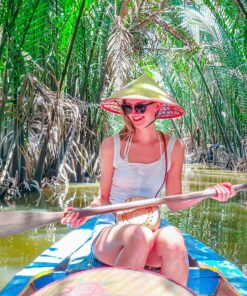
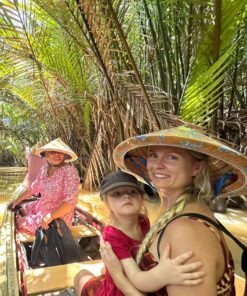
One of the most iconic activities in the Mekong Delta is gliding through shaded canals on a hand-rowed sampan. Surrounded by lush greenery and birdsong, it’s a peaceful moment that many travelers describe as the highlight of their trip.Visit a Coconut Candy Workshop
The Mekong Delta, especially Ben Tre Province, is famous for its coconut products. Watching local artisans transform fresh coconut milk into soft, flavorful candy is both fascinating and delicious.Explore Tropical Fruit Orchards
Depending on the season, you can walk through family-owned orchards and sample freshly picked fruits such as rambutan, mango, longan, dragon fruit, pomelo, and jackfruit.Discover Local Village Life
Cycling or walking through quiet villages allows visitors to observe traditional wooden houses, family workshops, small temples, and friendly locals going about their daily routines. Together, these experiences create a deeper understanding of the Mekong Delta than any single attraction could provide.Why International Travelers Love Bee Farm Experiences
Modern travelers are increasingly looking for experiences rather than simply checking famous landmarks off a list. A bee farm visit offers exactly that. Instead of standing behind barriers or reading information boards, you’re invited into a living, working environment where local families continue traditions that have existed for generations. It’s a chance to:- Learn something new.
- Support local communities.
- Taste authentic local products.
- Enjoy peaceful natural surroundings.
- Connect with Vietnamese culture in a meaningful way.
Is a Bee Farm Experience Worth It?
Absolutely. Although it may seem like a small stop on your itinerary, a bee farm offers far more than a glass of honey tea. It provides insight into sustainable agriculture, introduces you to welcoming local families, and highlights the important role bees play in preserving the Mekong Delta’s rich ecosystem. More importantly, it slows your journey down. Instead of rushing between attractions, you have the opportunity to sit beneath tropical trees, listen to the gentle hum of bees, sip fresh honey tea, and appreciate the peaceful rhythm of life in Vietnam’s countryside. Those quiet moments often become the most memorable.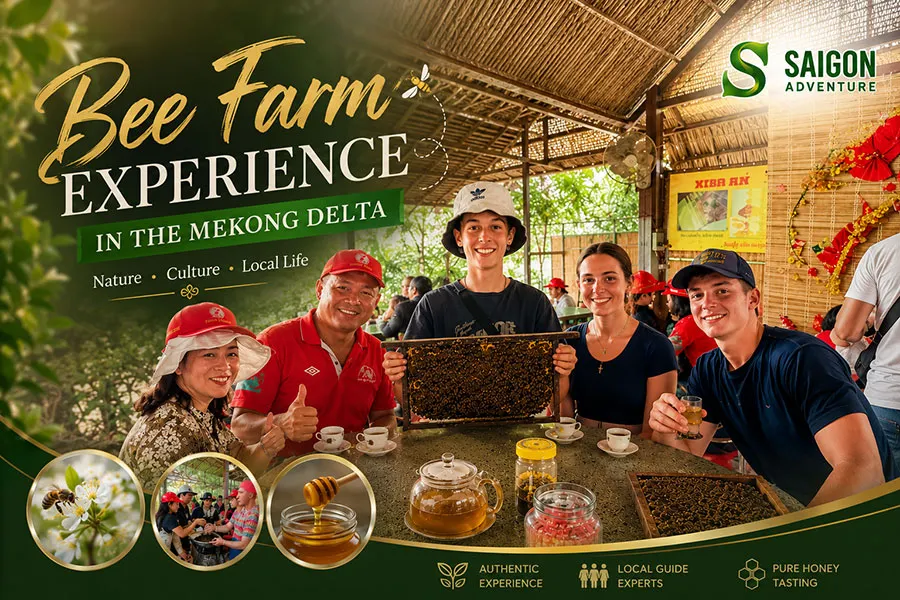
Plan Your Mekong Delta Adventure Today
A Bee Farm Experience in the Mekong Delta is much more than a simple honey tasting. It’s an authentic cultural encounter that combines nature, local traditions, sustainable farming, and genuine Vietnamese hospitality. Whether you’re watching skilled beekeepers at work, learning how bees support the region’s famous fruit orchards, or relaxing with a cup of fresh honey tea under the shade of tropical trees, every moment offers a deeper connection to the Mekong Delta. If you’re planning a Mekong Delta Tour, choose an itinerary that includes a traditional bee farm alongside a sampan ride, tropical fruit garden, coconut candy workshop, and scenic canal cruise. Together, these experiences reveal why the Mekong Delta remains one of Vietnam’s most rewarding destinations for travelers seeking authentic culture, beautiful landscapes, and unforgettable memories.
Frequently Asked Questions
Are bee farms included in most Mekong Delta tours? Yes. Many full-day Mekong Delta tours include a visit to a traditional bee farm, where travelers can learn about beekeeping, taste fresh local honey, and enjoy honey tea. Is it safe to visit a bee farm? Yes. Bee farms that welcome tourists are managed by experienced local beekeepers. As long as visitors follow simple safety instructions, the experience is safe and suitable for most people. How long does a bee farm visit usually last? Most visits last between 20 and 40 minutes, giving guests enough time to watch a beekeeping demonstration, taste honey, and explore the surrounding gardens. Can children enjoy a bee farm experience? Absolutely. Children often enjoy learning about bees, tasting fresh honey, and seeing nature up close. Families should simply stay together and follow the guide’s instructions near the hives. Can I buy authentic Mekong Delta honey? Yes. Most bee farms sell locally produced honey and other natural bee products, making them excellent souvenirs while also supporting family-run businesses.Explore our best-selling tours
Sale!
Cu Chi Tunnels Tour
Original price was: $39.00.$35.00Current price is: $35.00.
Sale!
Day Trips
Original price was: $23.00.$19.00Current price is: $19.00.

$59.00
Sale!
Mekong Delta Tours
Original price was: $39.00.$35.00Current price is: $35.00.
Beyond Ho Chi Minh City
$114.00
Beyond Ho Chi Minh City
$80.00

Beyond Ho Chi Minh City
Sale!
Day Trips
Original price was: $23.00.$19.00Current price is: $19.00.
$30.00
Beyond Ho Chi Minh City
Mekong Delta Floating Market 3 Days 2 Nights – Exit Rach Gia/ Phu Quoc/ Chau Doc
$150.00

Beyond Ho Chi Minh City
$0.00
Mekong Delta Tours