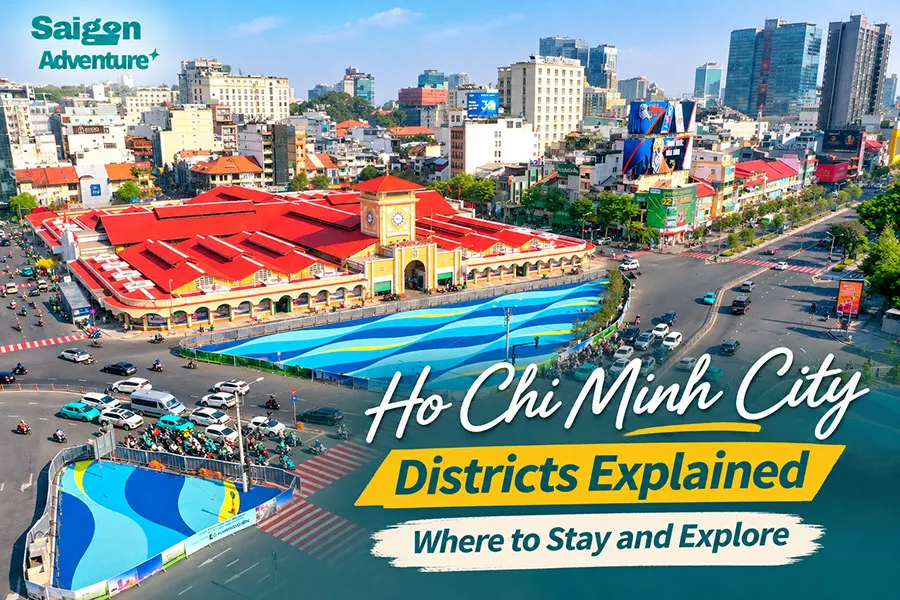
Choosing where to stay in Ho Chi Minh City can make the difference between an easy sightseeing trip and spending too much time in traffic. Some neighborhoods place you steps from historic landmarks, while others offer quiet cafés, authentic street food, or a more relaxed residential atmosphere.
Which Ho Chi Minh City district is best for tourists? District 1 is the most convenient for first-time visitors, District 3 suits travelers seeking local character, and Thao Dien appeals to families and longer-stay guests. Districts 4 and 5 are particularly rewarding for food and cultural exploration.
This guide compares the main Ho Chi Minh City districts, including where to stay, what to explore, accommodation costs, transport options, and practical tips for choosing the right neighborhood.
Understanding Ho Chi Minh City’s Districts
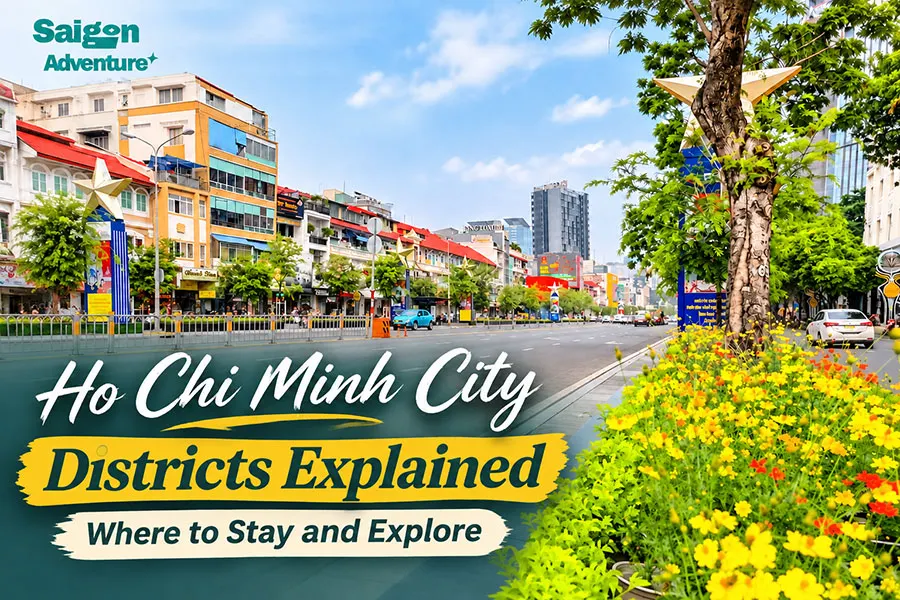
Ho Chi Minh City is a sprawling destination where neighborhoods just a few kilometers apart can feel remarkably different. The historic center combines French colonial architecture, modern skyscrapers, busy markets, and nightlife, while surrounding areas reveal residential streets and traditional food culture.
Following Vietnam’s 2025 administrative reorganization, former district names are no longer the official local administrative divisions. However, familiar geographical names such as District 1, District 3, Binh Thanh, and Thao Dien remain useful when researching hotels and attractions.
For visitors, the most important consideration isn’t simply which district looks attractive. It’s whether your accommodation makes your planned activities convenient.
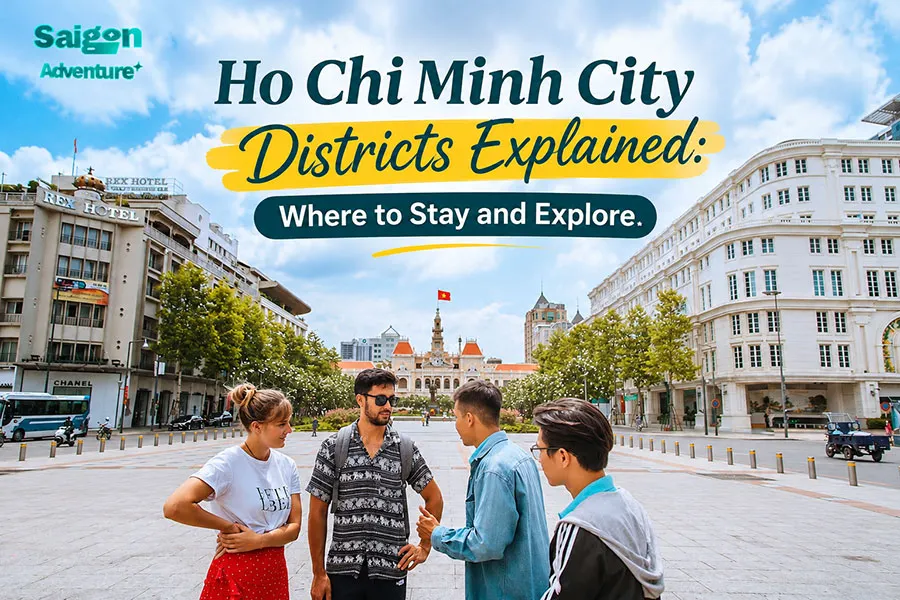
Best Ho Chi Minh City Districts: Quick Comparison
| Area | Best for | Stay or explore? | Main drawback |
|---|---|---|---|
| District 1 | First-time visitors | Stay | Noise, higher prices |
| District 3 | Couples, cafés | Stay | Fewer major hotels |
| District 4 | Street food lovers | Explore | Limited hotel choice |
| District 5 | Chinatown, culture | Explore | Farther from downtown |
| Binh Thanh | Longer stays | Stay | Location-dependent |
| Thao Dien | Families, dining | Stay | Downtown travel |
| Phu Nhuan | Airport access | Stay | Fewer tourist sights |
| District 7 | Families, modern amenities | Stay | Far from central attractions |
Quick recommendation: Choose District 1 for a two- or three-day visit, District 3 for a quieter central base, and Thao Dien or District 7 for a longer, more residential stay.
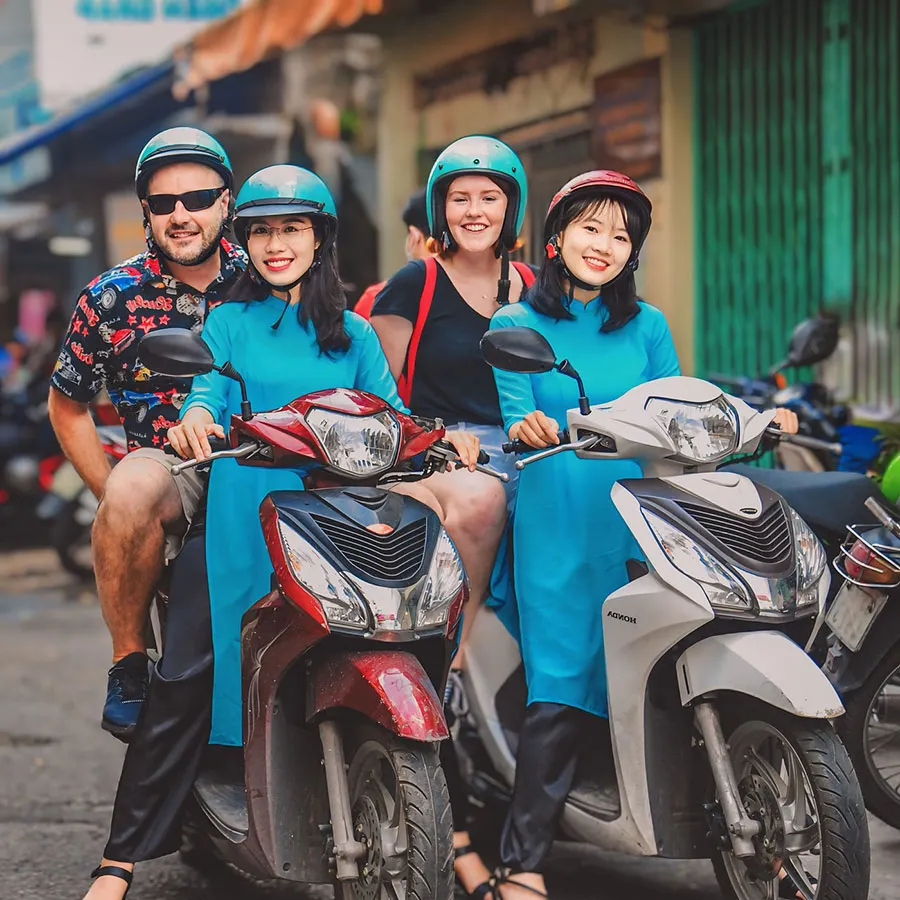
District 1: Best for First-Time Visitors
District 1 remains the easiest starting point for discovering Saigon. Major attractions, hotels, restaurants, shopping streets, and nightlife venues are concentrated within a relatively compact area.
Visitors can explore Nguyen Hue Walking Street, Ben Thanh Market, the Saigon Opera House, and the Central Post Office without constantly arranging long transfers.

Where should you stay in District 1?
The Dong Khoi and Nguyen Hue areas suit travelers seeking comfortable hotels and convenient sightseeing. Ben Thanh’s surrounding streets offer a wider mixture of accommodation and restaurants.
Pham Ngu Lao is popular with budget travelers, although streets near Bui Vien can become extremely noisy at night.
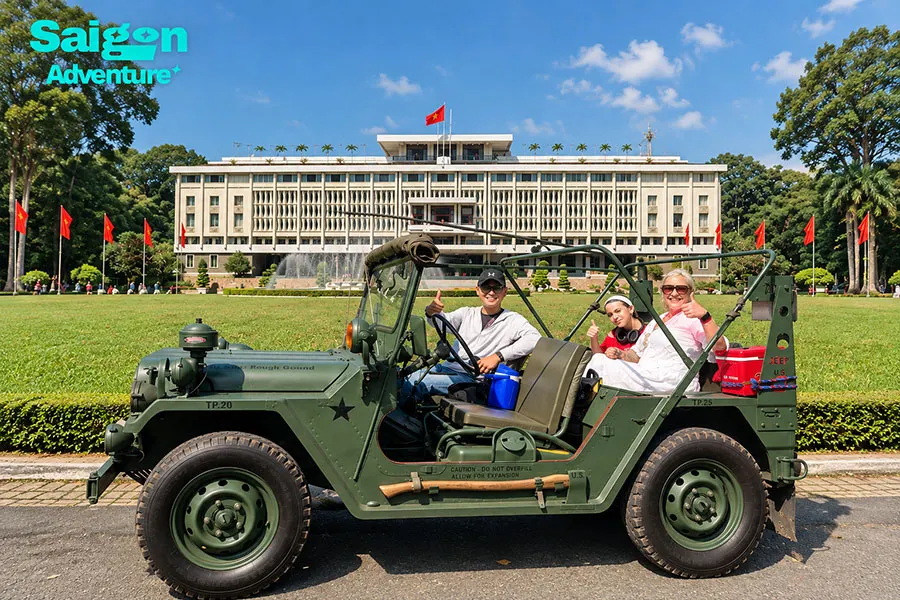
A Ho Chi Minh City Jeep tour is another way to discover the city’s highlights while learning about its history and local neighborhoods.
Best for: First-time visitors, short trips, shopping, and nightlife.
Local tip: Choose a hotel on a quieter side street within walking distance of central attractions rather than directly beside a nightlife venue.
District 3: Best for Cafés and Local Atmosphere
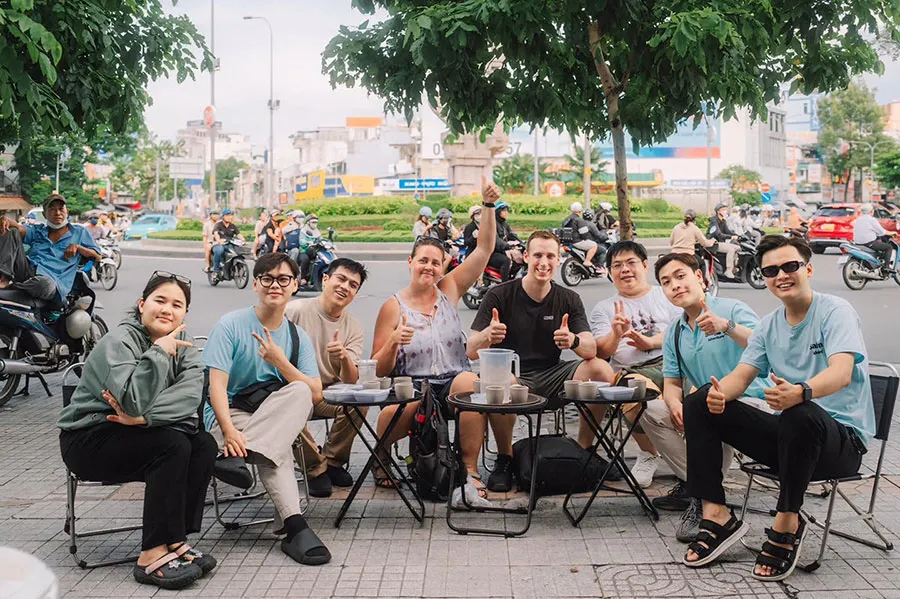
District 3 offers a different side of central Saigon. Older villas, leafy streets, neighborhood restaurants, and independent cafés create a more residential atmosphere than the busiest parts of District 1.
The War Remnants Museum is a major attraction, while smaller streets reward visitors who enjoy wandering between coffee shops and local eateries.
Is District 3 better than District 1?
District 3 can be better for couples and repeat visitors who value a quieter atmosphere. District 1 remains more convenient for travelers who want to walk between several famous landmarks.
Accommodation near the former District 1 boundary offers a particularly useful compromise.
Best for: Couples, café enthusiasts, independent travelers, and slower-paced sightseeing.
Local tip: Check the exact hotel address. Some District 3 locations are conveniently central, while others require regular vehicle transfers.

District 4: Best for Street Food and Evening Exploration
District 4 sits immediately south of central District 1, separated by waterways and connected by bridges. Its dense residential streets offer a lively contrast to downtown shopping districts.
Vinh Khanh Street is particularly well known for seafood restaurants, where grilled shellfish, snails, and other local dishes attract evening crowds.

Should you stay in District 4?
District 4 can suit adventurous travelers seeking apartments or a neighborhood experience, but accommodation choices are more limited than in District 1.
For most first-time visitors, it’s easier to stay centrally and explore District 4 during the evening.
Joining a Saigon street food tour can introduce visitors to local dishes and dining customs beyond familiar tourist restaurants.
Best for: Food enthusiasts, curious travelers, and evening dining.
Local tip: Visit with an appetite, check menu prices before ordering seafood, and use established crossings on busy streets.
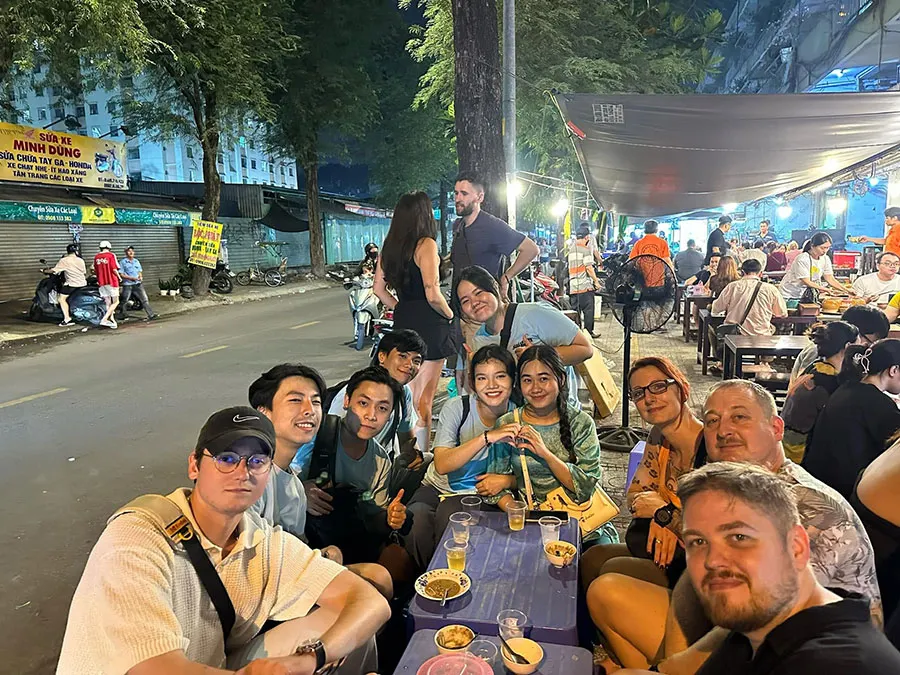
District 5: Best for Chinatown and Cultural Heritage
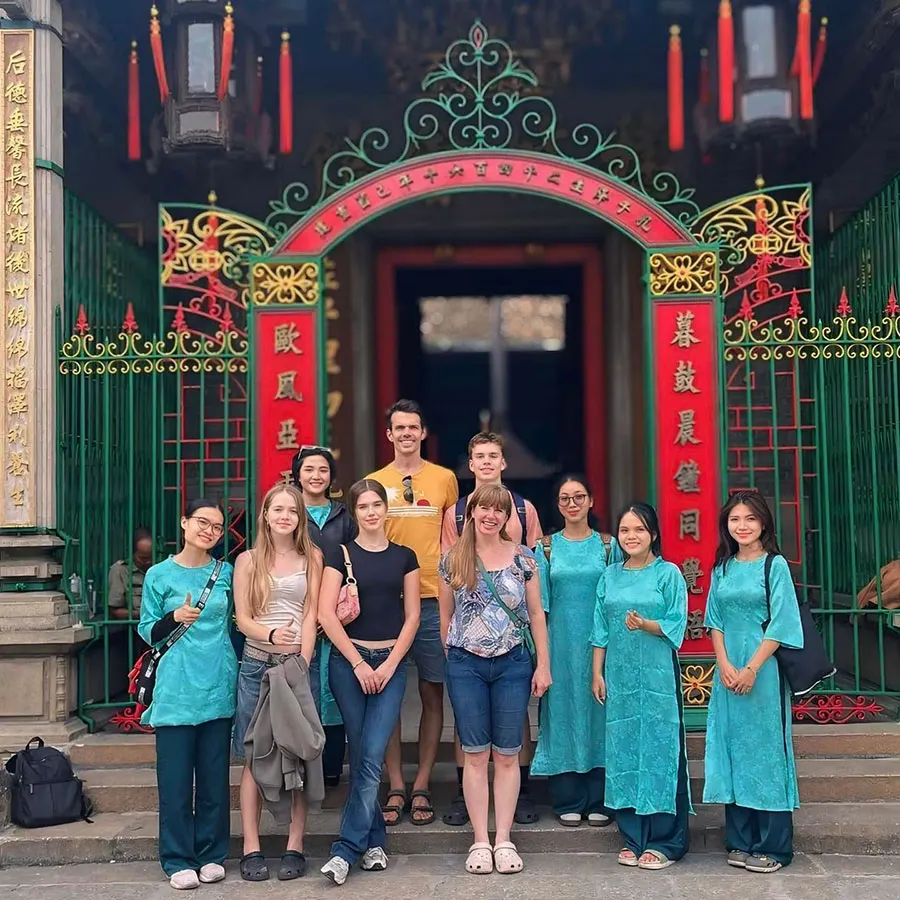
District 5 forms part of Cholon, Saigon’s historic Chinatown, where Chinese-Vietnamese traditions remain visible through temples, family businesses, markets, and food.
Thien Hau Temple is one of the area’s most recognizable cultural landmarks. Its ornate decorations and religious significance make it worth visiting respectfully.
What should you explore in Cholon?
Walk through traditional commercial streets, sample Chinese-influenced Vietnamese dishes, and observe the neighborhood’s trading heritage.
Binh Tay Market, located in neighboring District 6, is another worthwhile stop when exploring the wider Cholon area.
Best for: Cultural sightseeing, traditional markets, food discovery, and photography.
Local tip: Visit earlier in the day when markets and businesses are active. Avoid treating working temples as photography sets.
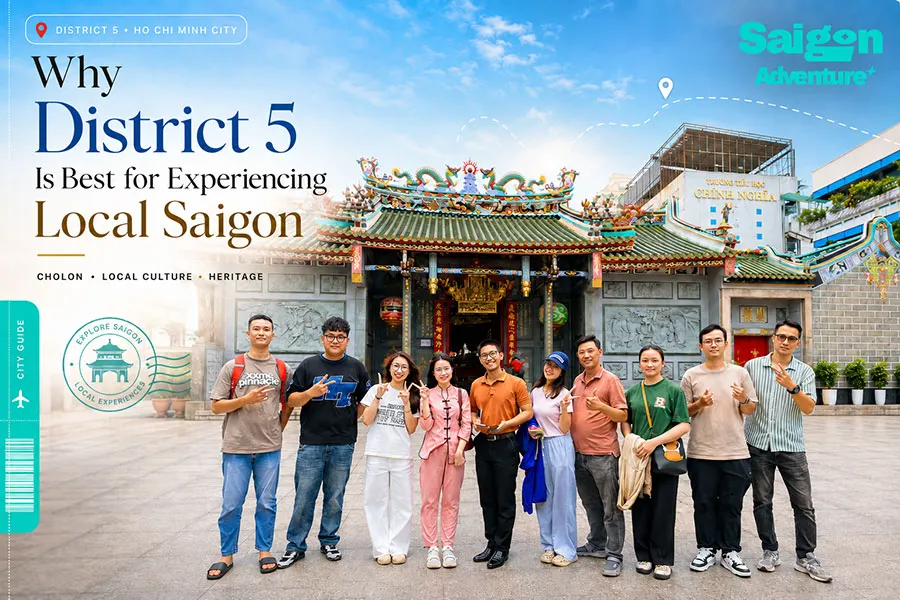
Binh Thanh: Best for Longer Stays and Everyday Saigon
Binh Thanh combines older residential neighborhoods with modern apartment developments. Around Thi Nghe, visitors encounter local markets and restaurants, while the Landmark 81 area features contemporary buildings and shopping facilities.
Its location northeast of the traditional center makes certain neighborhoods convenient for reaching District 1.
Is Binh Thanh good for tourists?
Yes, particularly for visitors staying a week or longer who prefer apartment accommodation and everyday neighborhood life.
However, Binh Thanh covers a substantial area, and convenience varies significantly between properties.
Best for: Longer stays, apartment travelers, and visitors interested in local living.
Local tip: Compare travel routes to your planned attractions before booking. A cheaper apartment can lose its appeal if every journey requires a lengthy transfer.
Thao Dien: Best for Families and International Dining
Thao Dien, formerly part of District 2 and now within An Khanh Ward, is known for stylish cafés, international restaurants, boutique shops, and residential properties.
It appeals to families, remote workers, and travelers who prefer a slower daily routine outside the traditional tourist center.
Is Thao Dien too far from District 1?
Not necessarily. Metro Line 1 provides access toward central Ho Chi Minh City through nearby stations, including Thao Dien and An Phu.
However, accommodation farther from a station may still require additional transportation, particularly during hot or rainy weather.
Best for: Families, remote workers, international dining, and extended stays.
Local tip: Check walking access to the metro and ask about street flooding during heavy rain before choosing ground-floor accommodation.
Phu Nhuan: Best for Airport Access
Phu Nhuan lies between Tan Son Nhat International Airport and the historic central districts. Its location can be convenient for short stopovers or travelers with early departures.
The neighborhood offers local eateries, cafés, markets, and accommodation away from the main tourist concentration.
Best for: Airport stopovers, short business trips, and travelers seeking local neighborhoods.
Local tip: Check driving time rather than distance alone. Airport approaches and major roads can become congested during peak hours.
District 7: Best for Families and Modern Residential Living
District 7, particularly Phu My Hung, is known for planned residential streets, shopping centers, international restaurants, and modern apartment buildings.
Its atmosphere differs noticeably from central Saigon, with wider roads and quieter residential sections.
Is District 7 worth staying in?
District 7 suits families, business travelers, and longer-stay visitors who prioritize residential comfort over immediate access to historic attractions.
The main disadvantage is distance. Frequent journeys to District 1 can become tiring, particularly during rush hour.
Best for: Families, extended stays, and travelers visiting southern business areas.
Local tip: District 7 is not the most practical base for a short sightseeing holiday focused on downtown landmarks.
Where to Stay in Ho Chi Minh City Based on Your Travel Style
The right accommodation depends on your priorities rather than a single universally recommended neighborhood.
-
First visit, 2–3 days: District 1 for sightseeing convenience.
-
Couples and café lovers: District 3 for a more relaxed central atmosphere.
-
Budget travelers: Compare hostels around Pham Ngu Lao with quieter guesthouses nearby.
-
Food enthusiasts: Stay centrally and explore District 4 and Cholon.
-
Families: Thao Dien or Phu My Hung for residential amenities.
-
Longer stays: Binh Thanh, Thao Dien, or District 7.
-
Early flights: Phu Nhuan or accommodation with convenient airport access.
For a first visit, paying slightly more for a well-located hotel can save considerable transportation time.
How Much Does Accommodation Cost in Ho Chi Minh City?
Hotel prices vary by location, comfort level, season, and booking date. These broad estimates are intended for trip planning, not as live room quotations.
| Accommodation type | Approximate nightly budget |
|---|---|
| Hostel dorm | $7–15 |
| Budget private room | $18–35 |
| Mid-range hotel | $40–90 |
| Upscale hotel | $100–200+ |
Central District 1 properties often command higher rates, while residential neighborhoods may offer better value for longer stays.
Before booking, compare recent reviews, noise complaints, room size, cancellation conditions, and the actual location of the property.
Getting Around Ho Chi Minh City Districts
Grab and other ride-hailing services make traveling between neighborhoods relatively straightforward. Cars offer comfort during hot or rainy weather, while motorbike rides may be practical for shorter journeys.
Metro Line 1 connects Ben Thanh with eastern areas, including stations serving Thao Dien and An Phu. However, most neighborhoods discussed here are not directly connected by the same metro route.
Traffic can be heavy during morning and evening commuting periods. Allow additional time when crossing the city, especially before airport transfers or scheduled activities.
For visitors interested in discovering local food and everyday streets, a Saigon motorbike food experience offers an alternative to exploring entirely independently.
Frequently Asked Questions About Ho Chi Minh City Districts
1. What is the best district to stay in Ho Chi Minh City?
District 1 is generally the most convenient for first-time visitors because of its central attractions, hotels, restaurants, and transportation options. District 3 is an excellent alternative for a quieter stay.
2. Is District 1 or District 3 better for tourists?
District 1 is better for convenient sightseeing and nightlife. District 3 suits travelers who prefer local cafés, residential streets, and a calmer environment.
3. Which Ho Chi Minh City district is safest for tourists?
No district is entirely free from risk. Central tourist areas and established residential neighborhoods are commonly used by visitors, but basic precautions against phone snatching, theft, and traffic hazards remain important everywhere.
4. Where should families stay in Ho Chi Minh City?
Thao Dien and Phu My Hung are appealing for families seeking apartments, international restaurants, and residential amenities. District 1 may be more convenient for short family sightseeing trips.
5. Is District 4 worth visiting?
Yes, particularly for travelers interested in local seafood restaurants and evening food culture. It’s easily combined with a stay in central District 1.
6. Can tourists explore Ho Chi Minh City without staying in District 1?
Absolutely. Ride-hailing services and Metro Line 1 make several neighborhoods accessible, although travel times depend on traffic and the exact accommodation location.
Discover the Side of Saigon That Suits You
Ho Chi Minh City rewards travelers who look beyond its most famous landmarks. District 1 makes sightseeing easy, District 3 invites slower exploration, and neighborhoods such as District 4 and Cholon reveal distinctive food traditions and everyday culture.
Choose your accommodation around your itinerary, then venture into other neighborhoods to experience more of the city. For travelers who prefer discovering local streets and authentic food with knowledgeable guides, Saigon Adventure offers experiences that introduce a different side of Saigon.