
A narrow stone path winds downhill from Sapa into a valley of wooden houses, mountain streams, and terraced fields. At the bottom, bamboo water wheels turn beside the water, while the sound of Tien Sa Waterfall rises above the surrounding hills.
Is Cat Cat Village Sapa worth visiting? Yes, particularly for first-time visitors who want beautiful mountain scenery and an introduction to Hmong culture without spending an entire day trekking. However, Cat Cat is also one of Sapa’s most commercialized attractions, so knowing what to expect makes a real difference.
This guide explains the entrance fee, best things to see, walking route, transportation, and whether Cat Cat deserves a place on your Sapa itinerary.

Cat Cat Village at a Glance
| Visitor information | Details |
|---|---|
| Location | About 2–3 km southwest of Sapa town |
| Entrance fee | Around 150,000 VND per adult |
| Opening hours | Generally daytime, around 7 AM–6 PM |
| Recommended duration | 2–3 hours inside |
| Best visiting time | Early morning on weekdays |
| Main attractions | Waterfall, Hmong crafts, water wheels, mountain views |
| Best for | First-time visitors, couples, photographers |
| Main drawback | Crowds and commercial tourism |
Entrance fee reflects published 2026 rates. Children’s prices and operating hours vary between sources; confirm at the ticket counter before visiting.

What Is Cat Cat Village in Sapa?
Cat Cat Village, or Bản Cát Cát, is a historic Hmong settlement in the mountains of Lao Cai Province, northern Vietnam. Located below Sapa town near the Hoang Lien Son range, it is particularly associated with the Black Hmong community.
The village is known for traditional textile crafts, wooden houses, mountain streams, and a scenic waterfall. Its cultural heritage remains an important part of its identity, although the main sightseeing route has been extensively developed for tourism.
Unlike a remote village reached by a long mountain hike, Cat Cat has ticket gates, souvenir shops, decorated photo locations, and organized visitor facilities.
That makes it accessible, but it also explains why some travelers leave impressed by the scenery while others find the experience too commercial.
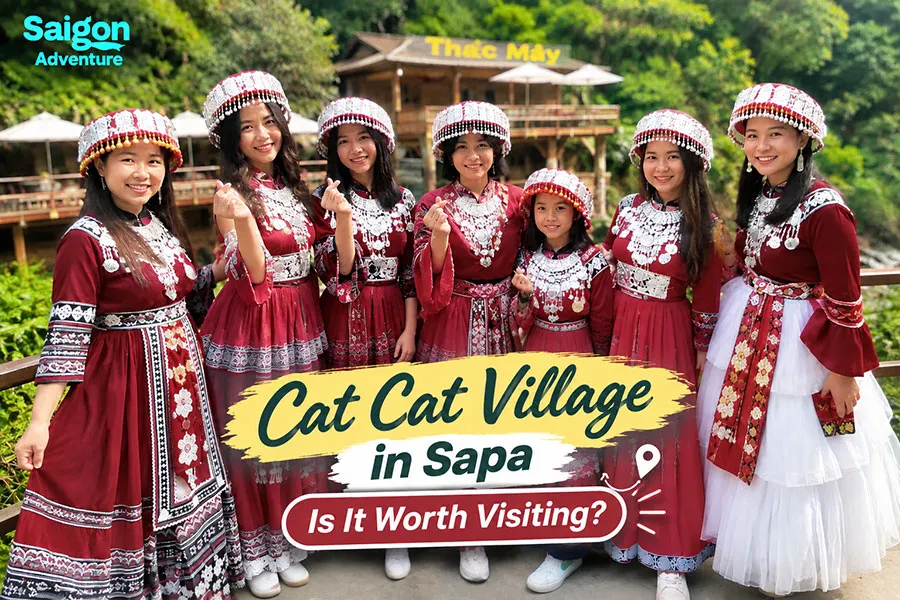
Is Cat Cat Village Worth Visiting? An Honest Review
Cat Cat Village is worth the entrance fee if you enjoy scenic walks, waterfalls, photography, and cultural sightseeing. Several attractions are concentrated within a relatively small area, making it a convenient half-day destination.
The strongest reason to visit is the setting. Traditional-style houses sit against a backdrop of mountains, while stone paths lead toward a stream lined with bamboo water wheels.
However, visitors expecting a quiet, untouched Hmong village may be disappointed. Souvenir stalls, costume rentals, and photography areas occupy considerable space along the main route.

What makes Cat Cat worth visiting?
-
Beautiful valley views within easy reach of Sapa town.
-
Tien Sa Waterfall and picturesque bamboo water wheels.
-
Opportunities to learn about Hmong textiles and traditional crafts.
-
A manageable sightseeing experience for travelers with limited time.
Why might you skip Cat Cat Village?
The entrance fee may feel less worthwhile if your main interest is observing everyday rural life rather than visiting a developed attraction.
It can also be crowded during weekends and holidays, while the steep stairways are unsuitable for some travelers with mobility difficulties.
Local tip: If you dislike crowded photo spots, visit early and spend more time observing the landscape and craft displays rather than waiting in queues for staged pictures.
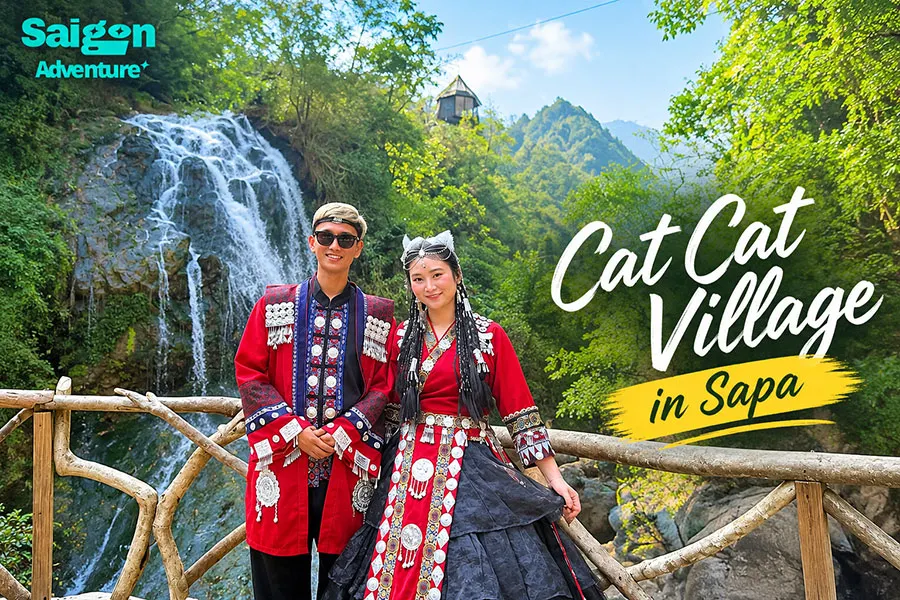
Best Things to Do in Cat Cat Village
1. Walk Through the Traditional Hmong Village
The main walking route descends through stone-paved lanes, past wooden buildings, textile shops, and hillside viewpoints. The scenery changes gradually as you approach the stream below.
Look beyond the decorated storefronts to notice the construction of traditional houses and the relationship between the settlement and surrounding slopes.
Some homes are private residences, while others operate as shops or visitor displays. Respect signs and boundaries rather than assuming every building is open to tourists.
2. Visit Tien Sa Waterfall
Tien Sa Waterfall is one of Cat Cat’s signature attractions, with water cascading over rocks near the valley floor.
The surrounding bridges and pathways provide several viewing angles, although the area can become busy when tour groups arrive.
Water levels vary with rainfall, and the rocks near the stream may be slippery. Stay within designated viewing areas rather than climbing onto wet stones for photographs.
3. Photograph the Bamboo Water Wheels
The large bamboo water wheels are among Cat Cat’s most recognizable sights. They reflect traditional water-powered technology used in mountain communities, although some installations along the tourist route also serve decorative purposes.
Their wooden structures, surrounding greenery, and flowing water create attractive compositions for photography.
For softer light and fewer people in the background, try visiting earlier in the morning.
4. Discover Traditional Hmong Textiles and Crafts
Textile making is an important element of Hmong heritage, involving techniques such as weaving, embroidery, and indigo dyeing.
Visitors may see craft demonstrations or browse shops displaying embroidered clothing, bags, and decorative fabrics.
Not every souvenir is handmade locally. If craftsmanship matters to you, ask about the maker, materials, and production process before purchasing.
5. Watch a Hmong Cultural Performance
Designated performance spaces may host traditional music, dance, and cultural presentations for visitors.
These performances provide an introduction to artistic traditions, but they should be understood as organized tourist presentations rather than spontaneous village ceremonies.
Schedules can change, so ask at the entrance whether a performance is available during your visit.
Cat Cat Village Entrance Fee and Opening Hours
Recent 2026 visitor information commonly lists adult admission at 150,000 VND. Children’s ticket prices differ across published guides, so checking the current height-based policy is advisable.
Vietnam Airlines+2
The entrance ticket generally covers access to the main sightseeing areas, including the waterfall and cultural attractions. Optional costume rentals, refreshments, souvenirs, and certain transport services cost extra.
Opening hours are not consistently reported across sources. For straightforward planning, aim to arrive between approximately 7:30 AM and 4 PM, and confirm the current closing time before entering.
Is Cat Cat Village expensive?
For most international visitors, the basic admission is relatively affordable. However, optional purchases can increase the total cost.
A practical budget for one adult is around 200,000–350,000 VND if you plan to buy a drink, arrange a short transfer, or make a small purchase. This is a planning estimate, not an official package price.
If you only want to explore the main route, your expenses can remain close to the entrance fee.
How to Get to Cat Cat Village from Sapa Town
Cat Cat lies approximately 2–3 kilometers southwest of central Sapa. You can walk, take a taxi, or arrange a motorbike transfer to the entrance.
Walking from Sapa to Cat Cat Village
Walking from central Sapa usually takes around 30–45 minutes, depending on your hotel and chosen entrance.
The route descends toward the valley, providing attractive mountain views. However, walking downhill to the village and climbing back uphill are very different experiences.
Allow extra time for the return journey, especially after exploring the village’s numerous steps.
Taking a Taxi or Motorbike Transfer
A taxi is the easiest option for families, couples, or travelers who want to conserve energy.
Some entrances also provide access to electric transport services, depending on current arrangements. Ask staff about the available route and additional charges before purchasing tickets.
Local tip: Confirm where your sightseeing route ends before arranging return transportation. Do not assume your driver can collect you from the same gate where you entered.
For travelers arriving from Hanoi, our Hanoi to Sapa transportation guide explains the main travel options before exploring the mountains.
How Long Do You Need at Cat Cat Village?
Most visitors should allow two to three hours inside Cat Cat Village, excluding transportation.
A relaxed visit might include 45–60 minutes exploring the descending pathways, another hour around the waterfall and cultural attractions, and additional time for photography or refreshments.
If you walk from Sapa and return on foot, the entire outing can take four hours or longer.
Travelers with limited time can use a vehicle transfer in both directions and focus on the main attractions.
Best Time to Visit Cat Cat Village
Best Season for Mountain Scenery
March to May often brings comfortable spring conditions, while July and August generally offer lush green landscapes.
September is particularly attractive for travelers hoping to see golden rice terraces in the wider Sapa region, although the exact harvest timing varies by location and year.
From December to February, colder weather and mist can create a different atmosphere. However, reduced visibility may limit panoramic mountain views.
Best Time of Day to Avoid Crowds
Early morning is usually preferable to midday, especially during weekends and busy travel periods.
Starting early gives you more flexibility around popular viewpoints and allows time to complete the route before afternoon weather changes.
Check the forecast before departure, and avoid the steep stone pathways during heavy rain or thunderstorms.
Cat Cat Village vs Lao Chai and Ta Van: Which Is Better?
Cat Cat is generally better for convenient sightseeing, while Lao Chai and Ta Van are more appealing for longer countryside walks and rice terrace scenery.
| Experience | Cat Cat Village | Lao Chai and Ta Van |
|---|---|---|
| Main appeal | Waterfall, crafts, sightseeing | Rice terraces, village walks |
| Time needed | 2–3 hours inside | Half day or longer |
| Tourism atmosphere | Highly developed | Varies by route |
| Walking conditions | Many stairs and slopes | Trails, fields, village roads |
| Best for | First-time sightseeing | Countryside exploration |
If you want a short cultural attraction near town, choose Cat Cat. If you prefer spending several hours walking between mountain communities, consider Lao Chai and Ta Van instead.
Our Sapa trekking guide for beginners can help you compare walking routes without confusing sightseeing with a full trekking experience.
Practical Tips for Visiting Cat Cat Village
A few simple decisions can improve your experience considerably.
-
Wear shoes with good grip: Stone stairs become slippery after rain.
-
Bring water and a light jacket: Mountain temperatures can change quickly.
-
Carry Vietnamese dong: Small purchases may require cash.
-
Ask before photographing residents: Especially children and people working.
-
Confirm optional charges: Costume rentals, transfers, and photography services may cost extra.
-
Plan the uphill return: Save energy or arrange transportation if necessary.
Cat Cat is not an ideal attraction for wheelchair users or visitors who struggle with stairs. Families with young children should also consider whether the walking route is manageable without a stroller.
Who Should Visit Cat Cat Village?
Cat Cat is a good choice for first-time visitors, photographers, couples, and travelers spending one or two days in Sapa.
Families with school-age children may also enjoy the waterfall and craft displays, provided everyone is comfortable walking downhill and climbing steps.
Experienced trekkers, however, may prefer quieter routes through the wider Muong Hoa Valley.
If your schedule allows, Cat Cat works well as one half-day experience alongside a separate mountain excursion.
Frequently Asked Questions About Cat Cat Village
1. Is Cat Cat Village worth visiting in Sapa?
Yes, particularly for first-time visitors interested in mountain scenery, waterfalls, and Hmong cultural displays. However, the village is heavily developed for tourism and may not satisfy travelers seeking secluded rural experiences.
2. How much is the Cat Cat Village entrance fee?
The commonly published 2026 adult entrance fee is approximately 150,000 VND. Children’s rates vary between sources, so confirm current prices at the official ticket counter.
3. Can you visit Cat Cat Village without a tour guide?
Yes. The established visitor route is suitable for independent sightseeing. A local guide can provide additional cultural explanations, but hiring one is not necessary for a standard visit.
4. How far is Cat Cat Village from Sapa town?
Cat Cat Village is approximately 2–3 kilometers from central Sapa. Walking to the entrance generally takes 30–45 minutes, depending on your starting location and pace.
5. How long should you spend at Cat Cat Village?
Allow two to three hours to explore the village, waterfall, craft areas, and viewpoints. Include additional time if walking from Sapa town or returning uphill.
6. Is Cat Cat Village better than Ta Van Village?
Cat Cat is better for a short sightseeing trip with developed visitor facilities. Ta Van is generally more suitable for countryside walks, rice terrace views, and longer village experiences.
Final Verdict: Should You Visit Cat Cat Village?
Cat Cat Village is worth visiting for its mountain setting, waterfall, and accessible introduction to Hmong cultural heritage. It is particularly rewarding when you have limited time in Sapa and want several attractions within one half-day outing.
Just arrive with realistic expectations. The village is a popular tourism destination rather than a quiet, untouched settlement, and that distinction matters when deciding whether it suits your travel style.
For a balanced Sapa itinerary, combine Cat Cat with countryside walking, local food, and a separate mountain excursion. Our Fansipan Mountain guide can help you plan another rewarding experience in northern Vietnam.