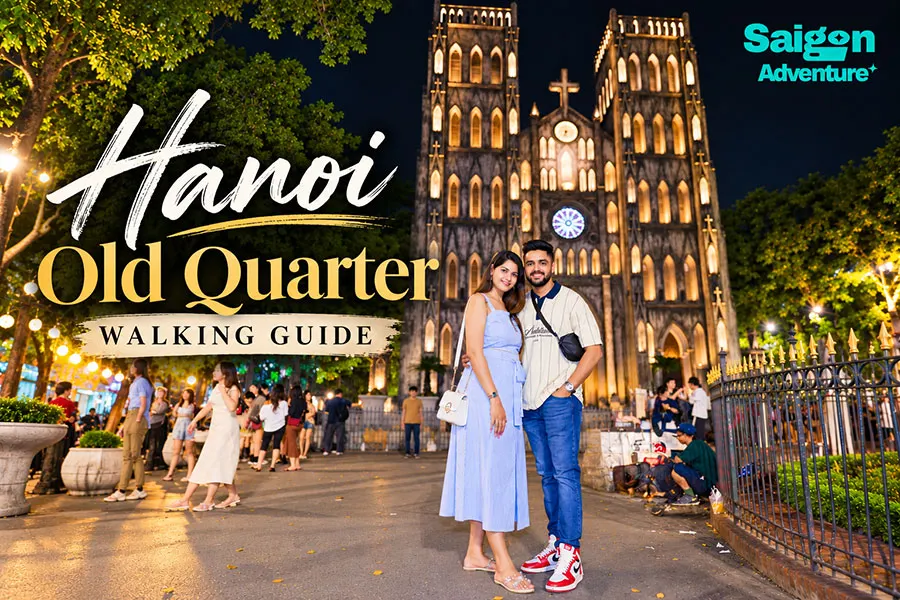
Hanoi’s Old Quarter is a place where centuries-old traditions meet the lively rhythm of modern Vietnam. Narrow streets reveal family-run shops, steaming bowls of noodles, historic temples, and cafés tucked inside weathered buildings.
This Hanoi Old Quarter walking guide takes you through the neighborhood’s most interesting streets, cultural landmarks, and local food experiences. Whether you have two hours or an entire afternoon, exploring on foot is one of the best ways to discover the character of Vietnam’s capital.
Instead of rushing between famous attractions, take time to notice the details: a traditional craftsman at work, an old wooden doorway, or a street vendor preparing breakfast beside passing motorbikes.

Quick answer: How to explore Hanoi Old Quarter on foot
The best way to explore Hanoi Old Quarter is to start at Hoan Kiem Lake and walk through Hang Dao, Hang Bac, Ma May, Hang Buom, Dong Xuan Market, and the surrounding historic streets.
Walking guide at a glance:
| Detail | Recommendation |
|---|---|
| Starting point | Hoan Kiem Lake |
| Walking distance | Approximately 3–4 km |
| Recommended duration | 2–4 hours with stops |
| Best time | 7:00–10:00 AM or 4:00–7:00 PM |
| Walking cost | Free, excluding food and attractions |
| Best for | First-time visitors, couples, solo travelers and food lovers |
| Main highlights | Historic streets, temples, markets, street food and traditional architecture |
The route is flexible, so you can shorten it or spend longer exploring places that interest you.
Why Hanoi Old Quarter is worth exploring
Hanoi Old Quarter is often associated with the famous “36 streets,” a historical reference to the area’s traditional craft and trading guilds.
Many streets were once known for particular products, from silver jewelry and silk to herbal medicine and ceremonial decorations.
Although modern businesses have replaced some traditional workshops, traces of the neighborhood’s commercial heritage remain visible.
Look above the shopfronts and you may notice narrow balconies, wooden shutters, and traditional tube houses stretching deep behind their street-facing entrances.
Local tip: Avoid treating the Old Quarter as a checklist of attractions. Some of its most memorable moments happen between major stops, particularly in quiet alleys and small neighborhood markets.
Best Hanoi Old Quarter walking route for first-time visitors
This self-guided route combines famous landmarks with traditional streets and everyday local experiences.
1. Start at Hoan Kiem Lake
Hoan Kiem Lake is an ideal starting point because it sits beside the southern edge of the Old Quarter.
Early in the morning, locals gather around the lake to exercise, walk, and enjoy the cooler air. The peaceful waterfront provides a pleasant contrast to the busy streets nearby.
Look for the red The Huc Bridge leading toward Ngoc Son Temple, one of the area’s most recognizable landmarks.
You can admire the bridge from outside or purchase a ticket to visit the temple.
Local tip: Arrive before 8:00 AM to enjoy a quieter atmosphere and photograph the lake before the surrounding streets become busier.
2. Walk through Hang Dao and Hang Ngang streets
From the northern side of Hoan Kiem Lake, continue toward Hang Dao Street.
Historically associated with fabric and textile trading, this lively street now features clothing shops, local businesses, and traditional commercial buildings.
Continue along Hang Ngang, where narrow storefronts and older architecture reveal the area’s trading heritage.
One notable historical address is 48 Hang Ngang, associated with President Ho Chi Minh’s preparation of Vietnam’s Declaration of Independence in 1945.
Take time to observe the contrast between modern shops and older architectural details above street level.
3. Discover Hang Bac Street
Hang Bac translates to “Silver Street,” reflecting its historical connection with silversmiths and jewelry makers.
Today, visitors can still find jewelry businesses alongside cafés, souvenir shops, and other local stores.
The street is particularly interesting for travelers who enjoy traditional craftsmanship and the history of Hanoi’s merchant neighborhoods.
Rather than walking straight through, explore the smaller connecting lanes and observe how commercial life continues in the old streets.
Best for: Architecture enthusiasts, photographers, and travelers interested in Hanoi’s trading history.
4. Visit the traditional house at 87 Ma May
One of the most rewarding cultural stops is the heritage house at 87 Ma May Street.
This preserved traditional residence provides insight into the architecture and domestic life of Hanoi’s historic merchant families.
Its narrow frontage, interior courtyards, wooden details, and carefully arranged rooms illustrate how families adapted to limited space in the Old Quarter.
The visit offers a quieter experience than the surrounding shopping streets.
Allow approximately 20–30 minutes to explore, and check current admission arrangements before entering.
5. Explore Bach Ma Temple and Hang Buom
Continue toward Hang Buom Street, where traditional shops, food businesses, and historic buildings share the same neighborhood.
Bach Ma Temple, located at 76 Hang Buom, is an important spiritual landmark associated with the ancient city of Thang Long.
Inside, visitors can appreciate traditional religious architecture and a calmer atmosphere away from the street.
Dress respectfully, speak quietly, and avoid interrupting people making offerings.
Nearby Hang Buom is also a good place to experience the everyday commercial character of the Old Quarter.
6. See O Quan Chuong Gate
Walk toward O Quan Chuong, one of the most distinctive historical landmarks in the Old Quarter.
This surviving city gate provides a glimpse into Hanoi’s former defensive structures and its long urban history.
Its weathered architecture contrasts with the busy roads and shops surrounding it.
The gate is best appreciated from the public street, where you can observe its structure without entering restricted areas.
Photography tip: Visit during daylight and be mindful of traffic when choosing a place to take photographs.
7. Experience Dong Xuan Market
Dong Xuan Market is one of Hanoi’s best-known traditional markets and an excellent place to observe local commerce.
Inside, vendors sell clothing, household goods, accessories, and a wide range of merchandise.
The surrounding streets are equally interesting, with food stalls, small shops, and delivery activity creating a busy trading atmosphere.
This is not primarily a polished tourist shopping destination. Its appeal lies in experiencing a working market and observing daily business.
Local tip: Keep your belongings secure, avoid blocking narrow passageways, and ask permission before photographing vendors at close range.
8. Explore Hang Ma and Lan Ong streets
From the market area, continue toward Hang Ma, a street famous for colorful decorations and ceremonial paper products.
The atmosphere becomes particularly lively before celebrations such as the Mid-Autumn Festival and Lunar New Year.
Nearby Lan Ong Street offers a different sensory experience, with shops traditionally associated with herbal medicine.
Together, these streets reveal two fascinating sides of Hanoi’s commercial heritage.
Remember that many products are intended for local cultural or religious use, so browse respectfully rather than treating every shop as a tourist attraction.
9. Finish with coffee near Hang Gai
Return toward Hoan Kiem Lake through the streets around Hang Gai, historically associated with textiles and now known for silk shops and boutiques.
This is an excellent area to finish your walk with Vietnamese coffee.
Look for a small café inside an older building or choose a rooftop overlooking the surrounding streets.
After several hours of walking, a glass of iced coffee or traditional egg coffee offers a welcome opportunity to relax.
For an alternative ending, continue toward St. Joseph’s Cathedral, just southwest of the Old Quarter, to admire its striking Gothic Revival architecture.
What to eat while walking around Hanoi Old Quarter
Exploring the neighborhood is also an opportunity to sample some of northern Vietnam’s most recognizable dishes.
Rather than planning a separate food-focused itinerary, add one or two stops along your walking route.
Pho – Vietnamese noodle soup
Pho is a comforting breakfast choice, featuring rice noodles, aromatic broth, herbs, and beef or chicken.
Small neighborhood restaurants often serve it early in the morning, making it convenient before sightseeing.

Bun cha – Grilled pork with rice noodles
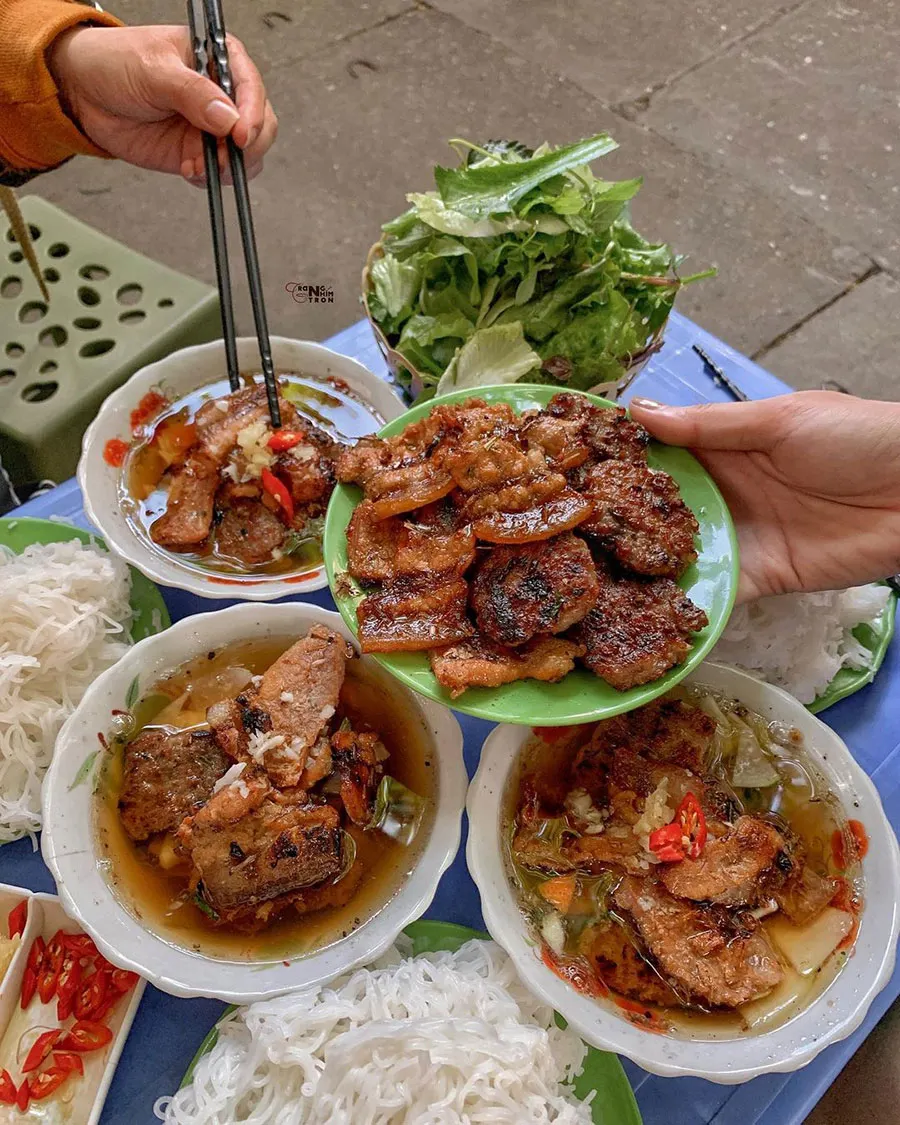
Bun cha combines smoky grilled pork, rice noodles, fresh herbs, and a flavorful dipping sauce.
It makes an excellent lunch after exploring the markets and historic streets.
Banh cuon – Steamed rice rolls
Banh cuon consists of delicate steamed rice sheets, commonly filled with minced pork and mushrooms.
Served with dipping sauce and accompanying toppings, it is a lighter option for travelers who want to try several dishes.

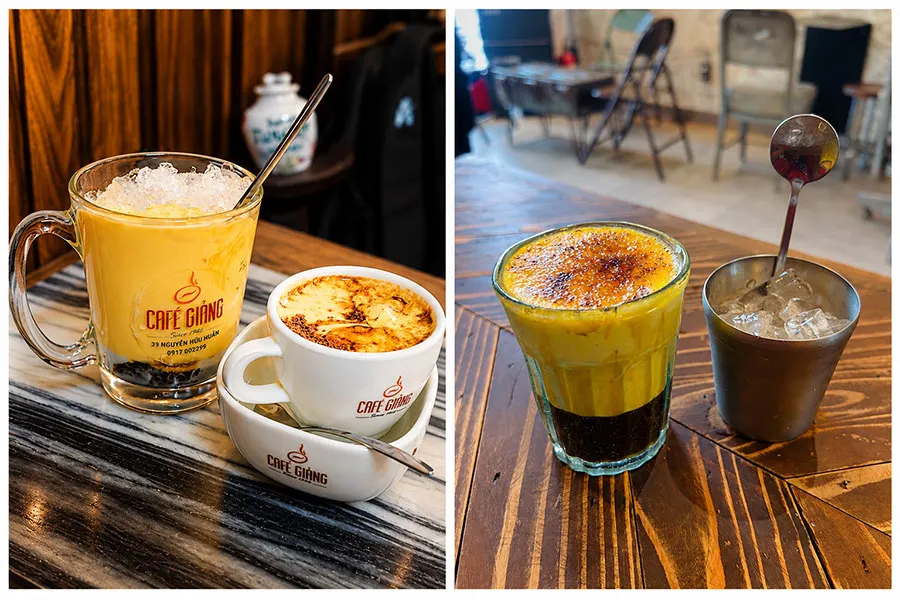
Egg coffee – A Hanoi specialty
Egg coffee combines strong Vietnamese coffee with a rich, whipped egg-based topping.
Its creamy texture makes it especially appealing during a relaxed café stop.
If you would like to discover more authentic dishes and learn the stories behind them, consider joining our Hanoi local food tour with Train Street and Old Quarter highlights.
Exploring with a local guide can introduce you to neighborhood eateries and food traditions that are easy to overlook independently.
Best time to walk around Hanoi Old Quarter
The Old Quarter changes noticeably throughout the day, so choosing when to visit can influence your experience.
| Time | What to expect | Best for |
|---|---|---|
| 6:30–9:00 AM | Breakfast stalls, morning routines and cooler weather | Photography and local life |
| 9:00 AM–12:00 PM | Shops opening and active commercial streets | Sightseeing and shopping |
| 12:00–3:00 PM | Warmer conditions and busy lunch spots | Short walks and café breaks |
| 4:00–7:00 PM | Softer light and lively street activity | Relaxed exploration |
| After 7:00 PM | Restaurants, cafés and nightlife | Evening atmosphere |
Weekends can be particularly enjoyable around Hoan Kiem Lake, where pedestrian areas create more space for public activities during designated hours.
However, the entire Old Quarter is not pedestrian-only. Motorbikes and cars still use many surrounding streets.
Practical tips for walking in Hanoi Old Quarter
A little preparation can make your walking experience considerably more comfortable.
- Wear comfortable shoes: Pavements can be uneven or occupied by parked motorbikes and shop displays.
- Cross streets carefully: Use designated crossings where possible, watch traffic closely, and avoid sudden movements.
- Carry drinking water: Hanoi can feel humid, particularly during warmer months.
- Bring some Vietnamese dong: Small eateries and street vendors may prefer cash.
- Use an offline map: The narrow streets and similar-looking intersections can be confusing.
- Respect local businesses: Ask before photographing people or entering private spaces.
- Allow extra time: Short distances can take longer when you stop for food, shopping, and photographs.
Travelers with limited mobility should be aware that some streets have uneven surfaces, narrow pavements, and frequent traffic obstacles.
Local tip: If the weather becomes too hot or rainy, divide your route into two shorter walks rather than trying to complete everything at once.
Self-guided walk vs guided walking tour
Both options offer worthwhile experiences, depending on your travel style.
| Self-guided walk | Guided walking tour |
|---|---|
| Flexible starting time | Planned route and schedule |
| Explore at your own pace | Learn from local knowledge |
| Choose your own food stops | Discover selected local eateries |
| Usually cheaper | Additional tour cost |
| Ideal for independent travelers | Ideal for first-time visitors |
A self-guided walk is perfect if you enjoy wandering, taking photographs, and spending extra time wherever you choose.
A guided experience is especially useful if you want cultural explanations, historical context, and recommendations from someone familiar with the neighborhood.
Frequently asked questions about Hanoi Old Quarter
Is Hanoi Old Quarter walkable?
Yes. Hanoi Old Quarter is compact and well suited to exploring on foot. However, visitors should expect busy traffic, uneven pavements, and occasional obstacles along the streets.
How long does it take to walk around Hanoi Old Quarter?
Most travelers should allow two to four hours for a relaxed walking route with several stops. Exploring markets, temples, cafés, and local restaurants can easily extend the experience.
Is Hanoi Old Quarter free to visit?
Yes. Walking through the Old Quarter’s public streets is free. Certain temples, heritage buildings, museums, and cultural attractions may charge admission fees.
What is the best street to visit in Hanoi Old Quarter?
There is no single best street. Hang Bac is interesting for its silver-trading heritage, Hang Ma for decorations, Ma May for traditional architecture, and Ta Hien for its evening atmosphere.
Is Hanoi Old Quarter safe to explore at night?
The main streets are generally lively in the evening, especially around restaurants and entertainment areas. Stay aware of traffic, secure your belongings, and use normal precautions in crowded places.
Can you explore Hanoi Old Quarter without a guide?
Absolutely. Many visitors explore independently using a walking route and navigation app. A local guide can add historical explanations, cultural insights, and introductions to lesser-known places.
Discover Hanoi Old Quarter at your own pace
Hanoi Old Quarter rewards travelers who slow down and look beyond its busiest streets.
From traditional merchant houses and centuries-old temples to lively markets and family-run cafés, the neighborhood offers a memorable introduction to the capital’s everyday culture.
Follow this walking guide as a starting point, but leave room for unexpected discoveries. Sometimes the most interesting part of Hanoi is a small street you never planned to visit.
For travelers who want to combine the Old Quarter’s atmosphere with authentic Vietnamese cuisine, a guided food experience with Saigon Adventure offers another enjoyable way to explore the city.