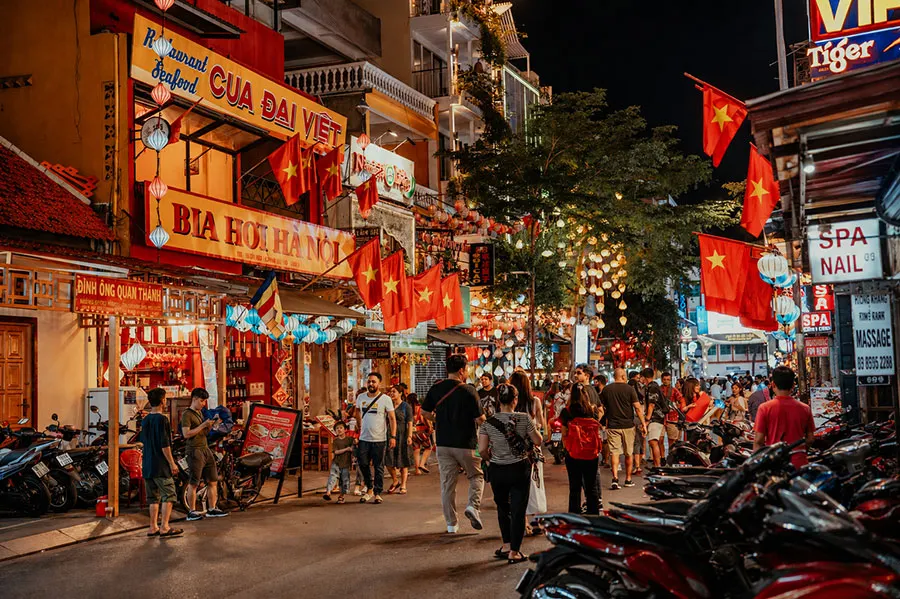
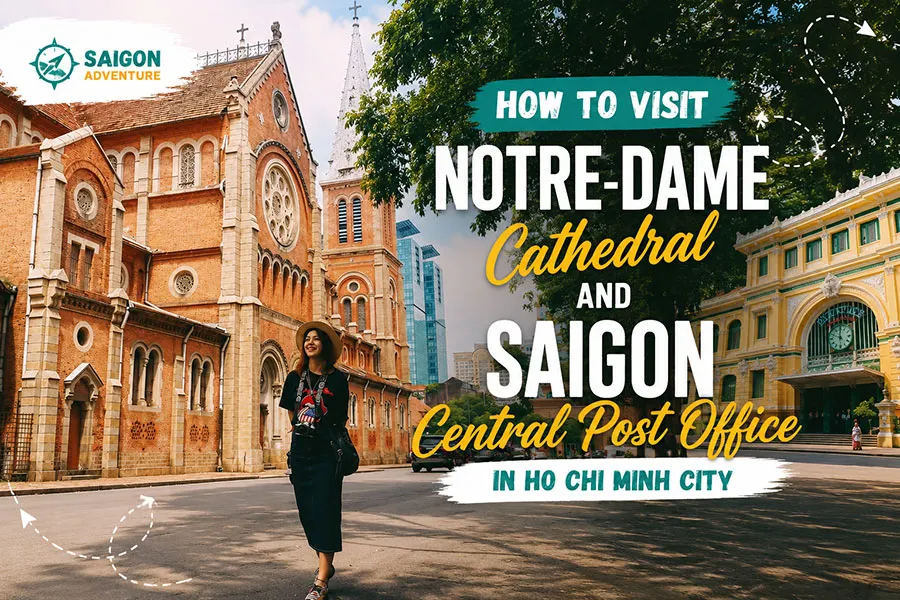
Just beyond the busiest tourist streets of central Saigon, District 3 Ho Chi Minh City offers a different side of the city: shaded avenues, historic buildings, neighborhood cafés, museums, markets and street food woven into everyday local life.
For travelers who want more than the standard District 1 sightseeing circuit, the former District 3 area is especially rewarding. You can visit important historical sites in the morning, stop for Vietnamese coffee beneath old trees, eat alongside local residents and still be only minutes from central Ho Chi Minh City.
One useful update: District 3 stopped existing as an official administrative district on July 1, 2025. Its former territory is now divided among Bàn Cờ, Xuân Hòa and Nhiêu Lộc wards, although “District 3” remains a practical and widely understood geographic name for travelers, hotels and local businesses.

Is District 3 Ho Chi Minh City worth visiting?
Yes. District 3 is worth visiting if you enjoy history, architecture, local food, cafés and neighborhoods that feel less tourism-focused than the streets around Ben Thanh Market.
Its biggest advantage is location. You do not need to commit an entire day or travel far from central Saigon, yet the atmosphere quickly becomes more residential and distinctly local.
District 3 is particularly suitable for:
- First-time visitors who want to see more than District 1
- Food travelers searching for everyday Vietnamese dishes
- Architecture and street-photography enthusiasts
- History lovers
- Couples looking for cafés and relaxed neighborhood walks
- Repeat visitors wanting a more local side of Saigon
Travelers interested mainly in major shopping centers, rooftop nightlife or famous colonial landmarks may spend more time in District 1. For neighborhood exploration, however, District 3 is one of central Ho Chi Minh City’s easiest areas to enjoy independently.
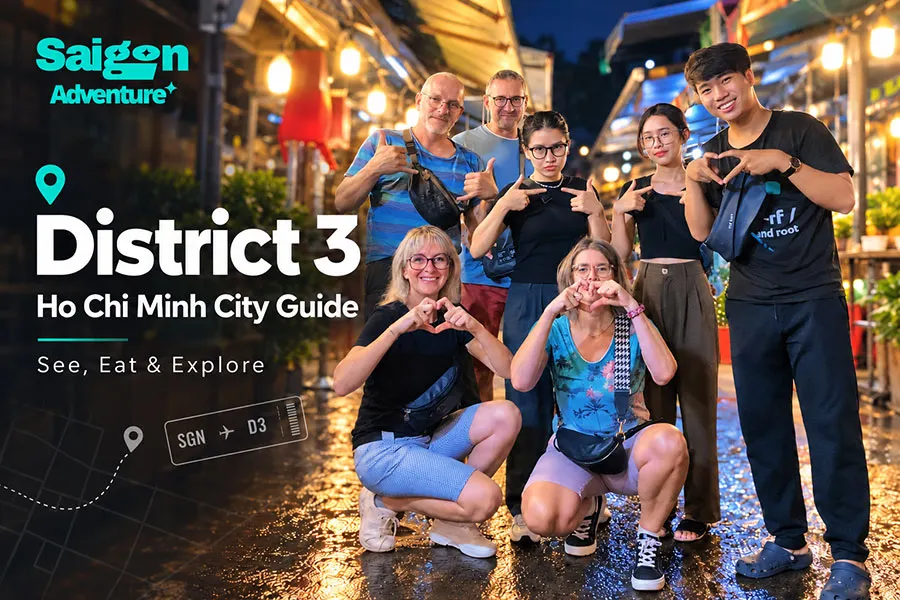
Where is District 3 in Ho Chi Minh City?
The traditional District 3 area sits immediately beside central District 1. Major roads such as Võ Văn Tần, Nguyễn Đình Chiểu, Nam Kỳ Khởi Nghĩa and Hai Bà Trưng make it well connected with surrounding parts of Ho Chi Minh City.
Because the area is compact, several attractions can be combined in a half-day outing. Walking works particularly well around Võ Văn Tần and nearby streets, while a taxi, ride-hailing vehicle or motorbike is more convenient when connecting attractions farther apart.
If you enjoy discovering architecture and small streets slowly, a Ho Chi Minh City walking tour can provide useful cultural context. Travelers with limited time can cover a much wider area on a motorbike city tour.
Local Tip: Do not judge distances only by kilometers. Midday heat, large intersections and heavy traffic can make a seemingly short walk feel much longer.
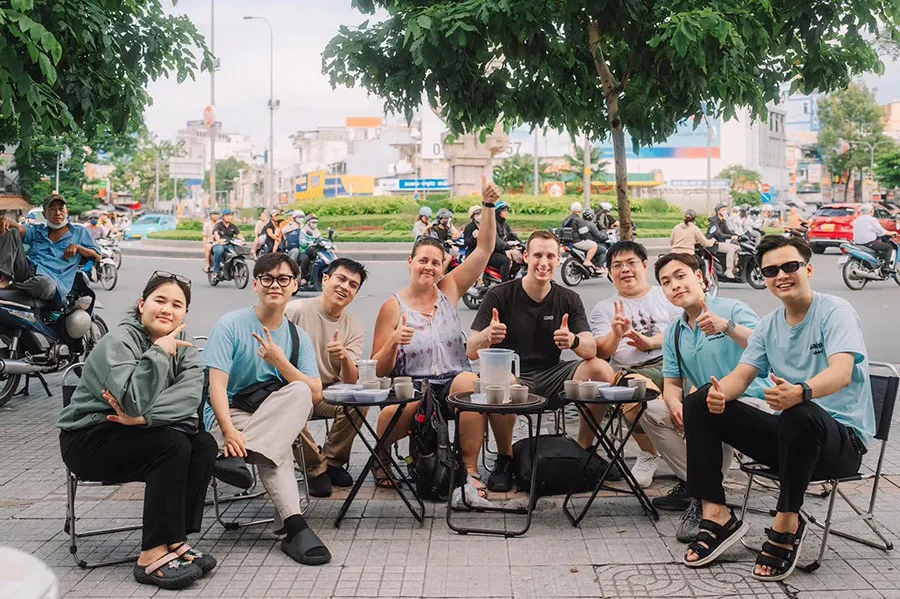
Best things to see in District 3 Ho Chi Minh City
Visit the War Remnants Museum
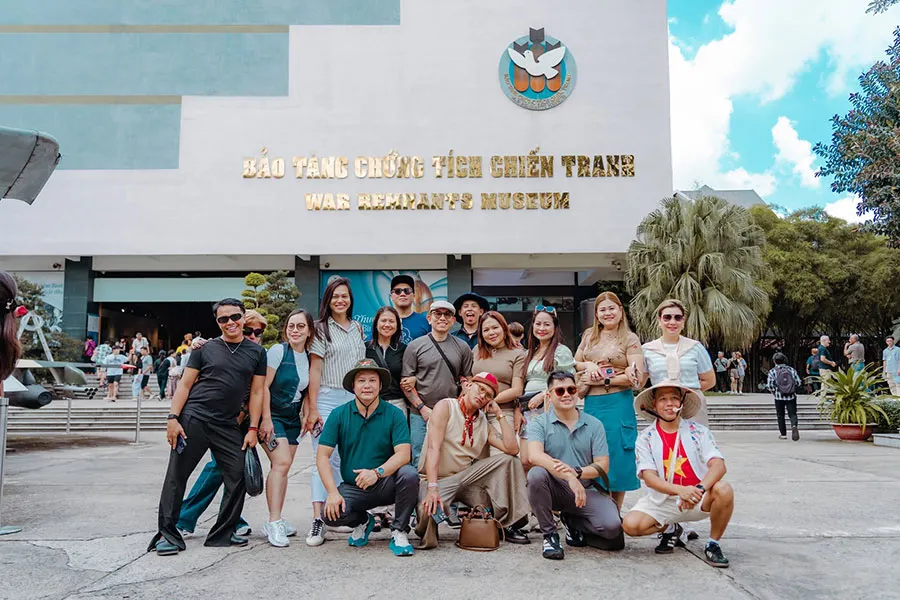
The War Remnants Museum is the area’s best-known historical attraction and one of the most significant museums for visitors seeking context about the wars that shaped modern Vietnam.
The museum is at 28 Võ Văn Tần Street in today’s Xuân Hòa Ward. It opens daily from 7:30 AM to 5:30 PM, with the ticket counter closing at 5:00 PM. The current general admission price is VND 40,000.
Allow at least 90 minutes rather than treating it as a quick photo stop. Some exhibitions contain distressing photographs and material related to warfare, civilian suffering and the long-term effects of conflict, so families should consider whether the displays are appropriate for younger children.
Travelers who prefer visiting major landmarks with local explanation can also consider Saigon Adventure’s Ho Chi Minh City motorbike tour with the War Remnants Museum.
Photograph Tân Định Church
Tân Định Church is one of the most recognizable architectural landmarks associated with the old District 3 area. Its pink exterior makes it dramatically different from the grey traffic and mature trees surrounding Hai Bà Trưng Street.
The church stands at 289 Hai Bà Trưng and dates to the nineteenth century. Today the address falls within Xuân Hòa Ward following the city’s administrative changes.
Remember that this is an active Catholic church rather than a photography set. Dress respectfully, avoid blocking entrances and do not assume visitors can enter during services or private religious activities.
Local Tip: Exterior photography is often more comfortable earlier in the day, before the heat becomes intense and traffic around Hai Bà Trưng grows busier.
Discover the Saigon Special Forces weapon bunker
At 287/70 Nguyễn Đình Chiểu, an ordinary-looking house hides one of the area’s most unusual historical sites.
The bunker was secretly constructed in the 1960s and used to conceal more than two tons of weapons connected with Saigon special forces operations around the 1968 Tết Offensive. Its modest residential setting makes the contrast between everyday city life and wartime history particularly striking.
This stop works well for travelers who have already visited larger museums and want to understand how historical events unfolded within residential Saigon rather than only at famous monuments.
Explore the Southern Women’s Museum
The Southern Women’s Museum presents Vietnamese history from a perspective many short city itineraries overlook: the lives, cultural traditions and historical contributions of women in southern Vietnam.
The museum is located at 200–202 Võ Thị Sáu Street, now in Xuân Hòa Ward. Its current published visiting schedule is 7:30–11:30 AM and 1:30–5:00 PM, so avoid arriving during the midday closure.
It is a worthwhile addition for travelers interested in textiles, social history, family life and women’s roles during periods of conflict and political change.
What to eat in District 3
District 3 is less about finding one globally famous dish and more about experiencing how Saigon actually eats. Breakfast stalls, noodle shops, rice restaurants, dessert vendors and evening food streets are mixed naturally into residential neighborhoods.
Good dishes to look for include:
- Cơm tấm – broken rice with grilled pork and accompaniments
- Hủ tiếu Nam Vang – noodle soup with Cambodian-Chinese influences
- Bún thịt nướng – rice vermicelli with grilled pork, herbs and fish sauce
- Bún bò – spicy beef noodle soup
- Bánh mì – convenient for breakfast or a quick snack
- Vietnamese sweet soups and desserts
- Fresh fruit, sugarcane juice and iced Vietnamese coffee
Bàn Cờ Market and the Nguyễn Thượng Hiền area are useful places to experience neighborhood food culture, particularly if you prefer browsing several small stalls rather than committing to one restaurant. Vietnam Airlines’ current District 3 guide also identifies these areas as local food destinations.
If food is a major reason for your trip, compare the neighborhood independently with Saigon Adventure’s guide to the best street food in Ho Chi Minh City or join a Saigon motorbike food tour to reach food areas across several neighborhoods in one evening
Local Tip: Choose busy stalls with steady turnover, especially for prepared meat, seafood and dishes kept at serving temperature. Confirm prices before ordering items sold by weight.

Experience District 3 café culture
One of the easiest pleasures in District 3 is simply stopping for coffee.
The area mixes traditional sidewalk cafés, converted villas, specialty coffee shops and modern air-conditioned spaces. Order a cà phê sữa đá for classic Vietnamese iced coffee with condensed milk, or try black cà phê đá if you prefer something stronger and less sweet.
Coffee also gives you a practical break from afternoon heat. Rather than trying to visit six attractions continuously, schedule a café stop between museums and neighborhood walking.
For photographers, the surrounding streets can be as interesting as the cafés themselves: old gates, balconies, mature trees, family businesses and streams of motorbikes create the everyday scenes that distinguish District 3 from the more monumental architecture of District 1.
District 3 vs District 1: Which is better for travelers?
| Experience | District 3 area | District 1 |
|---|---|---|
| Major tourist landmarks | Good | Excellent |
| Local neighborhood atmosphere | Excellent | Moderate |
| Street food | Excellent | Good |
| Café culture | Excellent | Excellent |
| Nightlife | Moderate | Excellent |
| Walking | Good in selected areas | Very convenient |
| Local photography | Excellent | Excellent |
You do not really need to choose between them. Their proximity makes them ideal to combine.
Spend your first day seeing District 1’s headline attractions, then use District 3 for a slower morning or afternoon focused on museums, cafés, food and neighborhood streets.
Best time to explore District 3
Morning is best for travelers interested in breakfast, markets and walking. Starting around 7:30–8:00 AM gives you cooler conditions and allows you to reach museums soon after opening.
Late afternoon into early evening is better for cafés, street scenes and food. Many local dining areas become livelier as residents finish work and temperatures drop.
The hottest part of the day can be uncomfortable for long walks. During the rainy season, carry a compact rain poncho or umbrella and be ready to take a café break during a sudden downpour.
How much does a District 3 visit cost?
Exploring the neighborhood can be inexpensive because walking, architecture and street observation cost nothing.
A practical independent budget might include VND 40,000 for the War Remnants Museum, plus food, coffee and short taxi or ride-hailing journeys.
Street meals are generally far cheaper than upscale restaurants, but prices vary significantly by venue and dish. Avoid building an itinerary around old online price lists; check menus and confirm prices locally instead.
Suggested half-day District 3 itinerary
Start around 8:00 AM with Vietnamese coffee and breakfast before visiting the War Remnants Museum.
Continue through the surrounding streets toward the Southern Women’s Museum or the Saigon Special Forces bunker, depending on whether you prefer social history or wartime history. Stop for a local lunch such as cơm tấm, hủ tiếu or bún thịt nướng.
Finish with Tân Định Church and another café before returning toward District 1.
This itinerary works best when you choose three or four meaningful stops rather than trying to collect every attraction. District 3 rewards observation as much as sightseeing.
Practical tips for visiting District 3
Cross streets slowly and predictably rather than making sudden changes of direction. Motorbikes can approach from several directions, including narrow lanes and side streets.
Keep valuables secure in crowded areas and avoid holding your phone loosely beside the road. Comfortable shoes, lightweight clothing, sunscreen and drinking water make walking significantly easier.
Also remember that “District 3” remains common in travel conversations even though it is no longer an official administrative district. When using newer maps or ride-hailing apps, you may instead see Bàn Cờ, Xuân Hòa or Nhiêu Lộc ward names.
Is District 3 the right area for you?
District 3 is not the place to rush through with a checklist. Its appeal comes from combining important history with ordinary Saigon life: coffee beneath roadside trees, lunch in a family-run shop, an unexpected old villa and a museum hidden between busy streets.
Give the area half a day and you will understand why many travelers find central Ho Chi Minh City more interesting once they move beyond its most famous landmarks.
For an even deeper introduction to local neighborhoods and food culture, Saigon Adventure’s street food experience by motorbike offers another way to see how different parts of the city connect after dark.
Frequently asked questions about District 3 Ho Chi Minh City
Is District 3 still an official district of Ho Chi Minh City?
No. District 3 ceased to exist as an administrative district on July 1, 2025, and the former area is now divided among Bàn Cờ, Xuân Hòa and Nhiêu Lộc wards. Travelers and businesses still commonly use “District 3” as a familiar geographic reference.
Is District 3 close to District 1?
Yes. The traditional District 3 area directly borders central District 1, making it easy to combine both areas during the same day.
How long should I spend in District 3?
Allow around half a day for a comfortable introduction. History enthusiasts or travelers who enjoy cafés and street photography can easily spend longer.
What are the best things to do in District 3?
Popular experiences include the War Remnants Museum, Tân Định Church, the Southern Women’s Museum, the Saigon Special Forces weapon bunker, local food, cafés and neighborhood walking.
What food should I try in District 3?
Look for cơm tấm, hủ tiếu Nam Vang, bún thịt nướng, bún bò, bánh mì, Vietnamese desserts and traditional coffee.
Can you walk around District 3?
Yes, particularly around clusters of central attractions. However, heat and traffic make taxis, Grab or motorbikes more practical when traveling between locations farther apart.
Is District 3 good for first-time visitors?
Yes. It is particularly useful after seeing District 1 because it introduces a more residential and food-focused side of central Ho Chi Minh City without requiring a long journey from the tourist center.