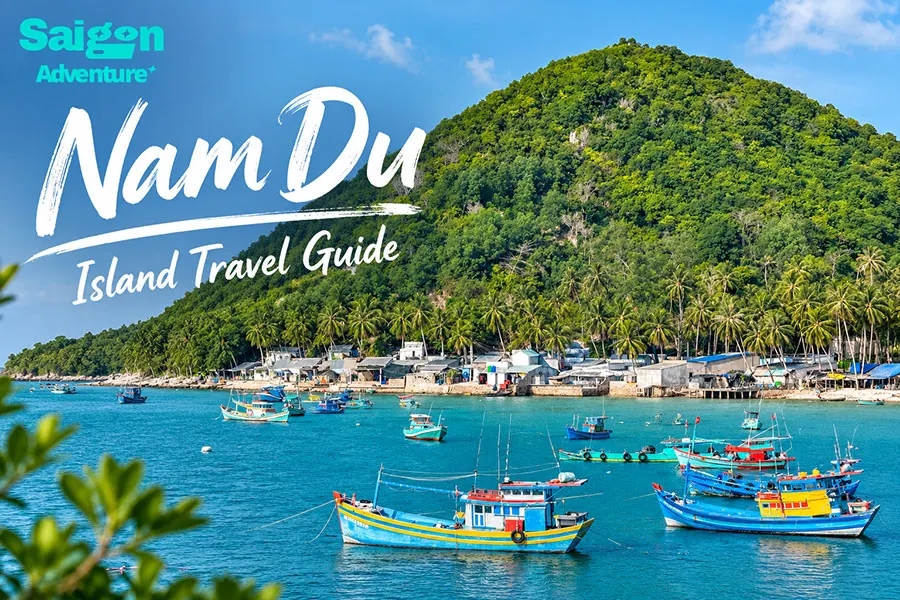
Turquoise water, fishing boats, coconut-lined beaches and seafood pulled straight from the Gulf of Thailand give Nam Du a character that feels very different from Vietnam’s larger resort islands. This Nam Du Island travel guide covers what international travelers actually need to plan a trip: how to get there, which islands and beaches to visit, what to eat, how much to budget and how many days to stay.
Nam Du is an archipelago of 21 islands and islets off the coast near Rach Gia. Hon Lon, also known as Cu Tron, is the main island and the usual base for accommodation, motorbike rides and boat trips to smaller islands.
Is Nam Du Island Worth Visiting?
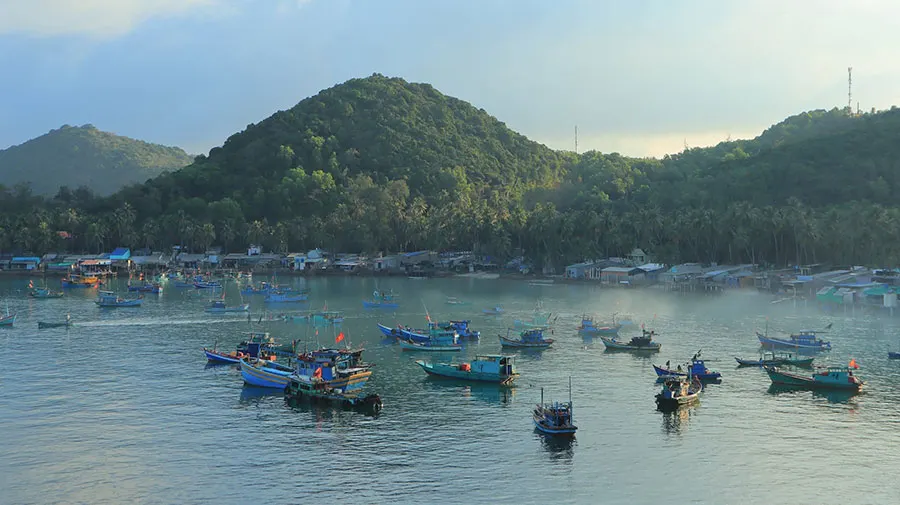
Nam Du is worth visiting if you prefer small fishing communities, simple beach days and island hopping to shopping malls, nightlife and large resorts. The attraction is not one famous landmark; it is the combination of coastal roads, colorful fishing boats, clear water and a slower rhythm of island life.
It is especially appealing to independent travelers, couples and small groups who do not mind simpler infrastructure. If you are still deciding where Nam Du fits into your trip, comparing it with the most beautiful islands in Vietnam is a useful starting point.
The main disadvantage is logistics. Weather can affect ferries and small-boat excursions, while accommodation and nightlife are much more limited than on Phu Quoc.

Best Time to Visit Nam Du Island
The most comfortable period is generally December to April, when the weather is drier and sea conditions are usually better for ferries, swimming and island-hopping trips. Vietnam Tourism also identifies this period as the ideal window for visiting Nam Du.
That does not mean every day will be perfectly calm. Sea conditions can change quickly, so travelers planning snorkeling or boat trips should check the forecast close to departure rather than relying only on monthly climate averages.
If you visit during wetter months, build flexibility into your itinerary. Avoid scheduling an international flight immediately after returning from Nam Du because ferry departures may be adjusted when conditions are unsuitable.
How to Get to Nam Du Island
How to travel from Ho Chi Minh City to Nam Du
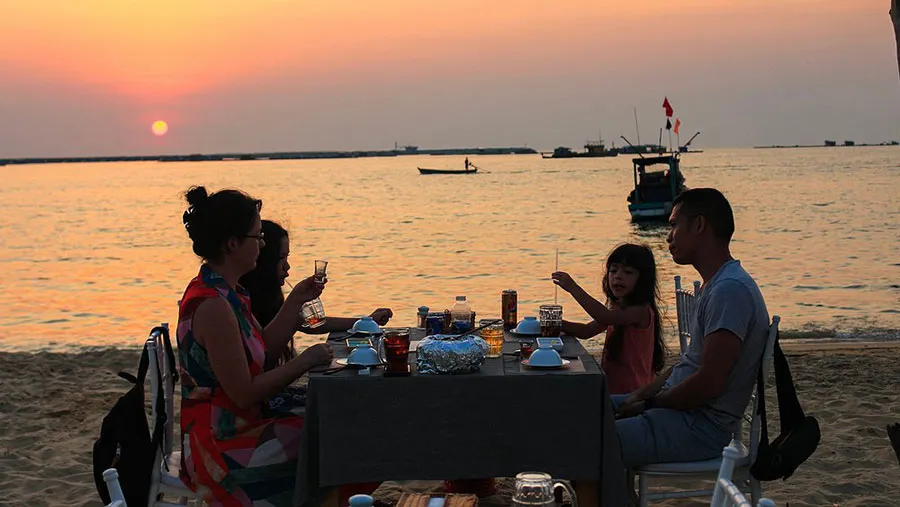
Most travelers first make their way from Ho Chi Minh City to Rach Gia, then continue by fast ferry to Nam Du. Depending on your schedule, the mainland journey can be done by domestic flight, sleeper bus or private transfer.
If Saigon is the first stop on a longer Vietnam trip, spending a day exploring the city before traveling southwest can make the route less rushed. Our Ho Chi Minh City tours are useful for travelers who want to experience the city before continuing toward the islands.
Rach Gia to Nam Du by fast ferry
Fast ferries are the most practical option from Rach Gia. The journey commonly takes around two hours, although the exact sailing time depends on the vessel and sea conditions.
Superdong currently operates the Rach Gia–Nam Du route and states that departure times can change according to tides and weather. Always check the operator’s current timetable before arranging connecting buses, flights or hotel transfers.
Local Tip: Book ferry seats in advance for weekends, public holidays and peak travel periods. Arrive at the pier early with your identification documents rather than planning a tight same-day connection.
Getting Around Nam Du Island
Once you arrive on Hon Lon, a motorbike is the easiest way to explore independently. The coastal roads connect settlements, beaches and elevated viewpoints, allowing you to stop whenever a quiet stretch of coastline catches your attention.
Motorbike rental is generally inexpensive compared with hiring private transport. Check the brakes, tires, lights and fuel level before leaving, and always wear a helmet.
Smaller islands require a boat. Guesthouses and local operators can usually help arrange shared island-hopping trips, which are more economical for solo travelers and couples than chartering an entire boat.
Best Beaches and Islands in Nam Du
Bai Cay Men – The Classic Nam Du Beach
Bai Cay Men on Hon Lon is one of the best-known beaches in the archipelago. Its curved shoreline, coconut palms and relatively sheltered water make it an easy place to combine swimming with a motorbike tour of the main island.
Go earlier in the day if you want a quieter atmosphere. The beach looks particularly attractive when the sea is calm and sunlight brings out the blue-green color of the water.
Hon Mau – Best for Beach Hopping
Hon Mau is one of the most rewarding stops on a Nam Du boat trip because several beaches sit around a relatively small island. Bai Chuong and Bai Nam are among its better-known sandy beaches, while other sections of coast are rockier and closer to fishing activity.
Spend enough time here to walk beyond the arrival point. Hon Mau is more interesting when you see both the beaches and the everyday fishing community rather than treating it as a quick photo stop.
Hon Dau – Quiet and Green
Hon Dau feels greener and less developed than the main island. Much of the island is forested, with only a small number of households and a modest beach area.
It is a good choice for travelers who enjoy quieter scenery rather than busy beach facilities. Bring water, sun protection and anything else you may need instead of expecting extensive services.
Snorkeling and Island-Hopping Trips
Some boat itineraries include swimming or snorkeling stops around smaller islands and reefs. Visibility depends heavily on the weather, currents and conditions on the day, so a good operator should be willing to change locations when necessary.
Never stand on coral or remove marine life from the water. If snorkeling and organized island hopping are a major priority, you can also compare the experience with the Phu Quoc 4 Islands Tour, which offers a more developed speedboat-and-snorkeling experience around southern Phu Quoc.
What to Eat in Nam Du
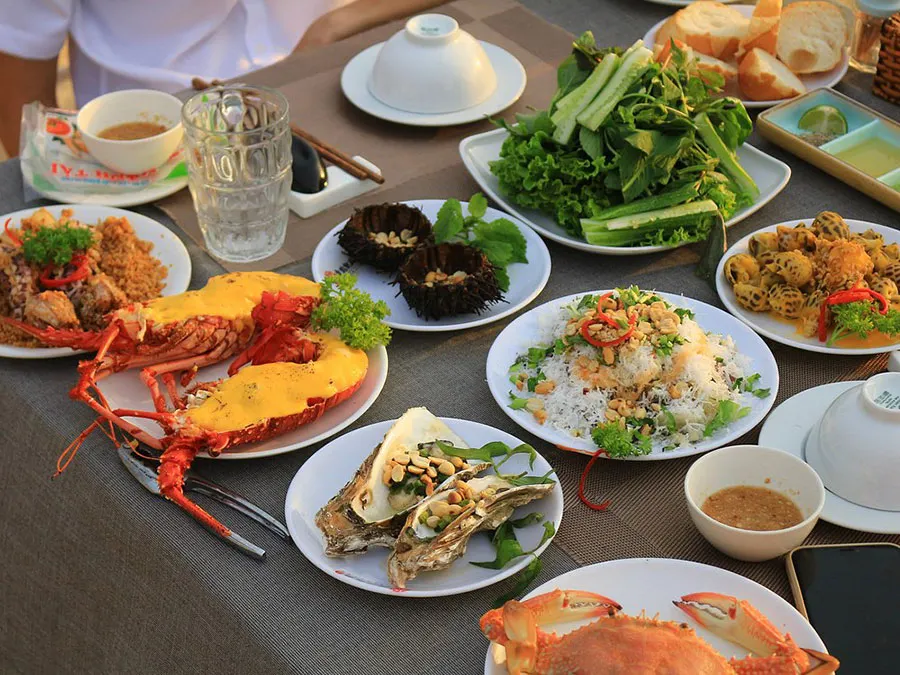
Seafood is one of the strongest reasons to spend more than a few hours on Nam Du. Fishing remains part of daily life across the archipelago, so menus often depend on what has been caught and delivered that day.
Popular local dishes include grilled bluebone fish, grilled scallops with spring onion, steamed squid, cobia hotpot and different varieties of shellfish. Vietnam Tourism also highlights these dishes among Nam Du’s characteristic foods.
Ask the restaurant what is freshest instead of ordering only by translated menu names. For seafood sold by weight, confirm the price per kilogram and approximate weight before cooking.
Local Tip: Simple preparations are often the best choice. Grilled, steamed or hotpot-style seafood lets you taste the freshness without heavy sauces hiding the ingredient.
How Much Does a Nam Du Trip Cost?
Nam Du can still be relatively affordable, but your total depends on accommodation style, seafood choices and whether you take shared or private boats.
| Expense | Practical Budget |
|---|---|
| Return ferry | Around VND 350,000–800,000 |
| Guesthouse per night | Around VND 300,000–700,000 |
| Motorbike rental | Around VND 100,000–150,000/day |
| Shared boat trip | Around VND 200,000–350,000 |
| Food | Around VND 250,000–500,000/day |
For a two-night trip, many independent travelers can reasonably plan around VND 1.5–3 million per person, excluding the journey between Ho Chi Minh City and Rach Gia. Treat these numbers as planning ranges rather than fixed prices because ferry fares, accommodation and seafood prices can change.
Carry some cash. Smaller eateries, homestays and local boat services may not offer the same payment options you would expect in Ho Chi Minh City or Phu Quoc.
A Practical 2-Day Nam Du Itinerary
Day 1 – Hon Lon and Bai Cay Men
Take a morning ferry from Rach Gia, check into your accommodation and have an early lunch after arrival. Rent a motorbike for the afternoon and follow the coastal road around Hon Lon.
Spend time swimming at Bai Cay Men, stop at viewpoints and return toward the main settlement before dark. Finish the day with grilled fish, scallops or a seafood hotpot.
Day 2 – Hon Mau and Smaller Islands
Join an island-hopping boat in the morning. A typical day may combine Hon Mau with swimming, snorkeling or another quieter island depending on sea conditions.
If you are returning to Rach Gia that afternoon, choose a boat trip that leaves plenty of time before your ferry. Staying a second full night creates a more relaxed trip and reduces the risk of connections becoming stressful.
Nam Du vs Phu Quoc – Which Island Is Better?
Choose Nam Du if you want a smaller-scale island experience, fishing villages, simple guesthouses and less-developed beaches. It rewards travelers who value atmosphere and independence more than convenience.
Choose Phu Quoc Island if you want more hotels, organized tours, restaurants, nightlife and easier transport. Phu Quoc is usually simpler for families and first-time visitors, while Nam Du feels more adventurous.
Neither island is automatically “better.” The right choice depends on whether you prioritize comfort and variety or a quieter archipelago experience.
Practical Nam Du Travel Tips
Bring sunscreen, insect repellent, a dry bag, comfortable sandals and motion-sickness medicine if you are sensitive to boat travel. A power bank is also useful when spending a full day away from your accommodation.
International visitors should travel with their passport and valid immigration documents and confirm any current offshore-area requirements before departure. Regulations and local procedures can change, so checking with your accommodation or ferry operator is safer than depending on an old travel forum.
Avoid touching coral, leaving rubbish on small islands or expecting every beach to have showers, restaurants and changing facilities. Nam Du is enjoyable partly because many areas remain simple.
Is Two Days Enough for Nam Du?
Two days gives you a useful introduction, but two nights is better. With two nights, you can explore Hon Lon without rushing and keep a separate day for island hopping.
Three nights makes sense for travelers who enjoy slow travel, photography, beaches and seafood. Anything shorter becomes highly dependent on ferry and weather conditions.
Best Way to Experience Nam Du Island
Nam Du is not an island for travelers who need polished resorts at every turn. It is better suited to people who enjoy getting on a motorbike, boarding a local boat, swimming from a quiet beach and deciding dinner based on the day’s fresh catch.
Give the archipelago at least two nights, keep your schedule flexible and allow the sea conditions to shape your plans. If Nam Du is part of a longer journey through the country, browse our Vietnam multi-day tours for more ideas on connecting southern destinations into one itinerary.
Frequently Asked Questions
Is Nam Du Island worth visiting?
Yes. Nam Du is worth visiting for its beaches, fishing-village atmosphere, boat trips and fresh seafood. It is particularly suitable for travelers looking for a quieter and less-developed alternative to Vietnam’s major resort islands.
How do you get to Nam Du from Ho Chi Minh City?
Travel from Ho Chi Minh City to Rach Gia first, then take a fast ferry from Rach Gia to Nam Du. Allow enough transfer time and confirm your ferry schedule shortly before departure.
What is the best time to visit Nam Du Island?
December to April is generally the best period because conditions are typically drier and the sea is more suitable for swimming and boat trips. Weather can still change, so check the forecast before traveling.
How many days should you spend in Nam Du?
Two nights is a good minimum for most first-time visitors. It gives you one day for Hon Lon and another for island hopping without making the trip feel rushed.
What are the best beaches in Nam Du?
Bai Cay Men on Hon Lon is one of the most popular choices, while Hon Mau offers several attractive beaches including Bai Chuong and Bai Nam. Smaller islands can also provide quieter swimming stops depending on your boat itinerary.
Is Nam Du cheaper than Phu Quoc?
Nam Du can be cheaper when you stay in local guesthouses, eat at simple seafood restaurants and join shared boat trips. However, transport logistics are less convenient, and private boat arrangements can increase the total cost.
Can international tourists visit Nam Du?
International travelers should carry their passport and valid Vietnamese immigration documents and confirm the latest local entry requirements before booking. Ask your accommodation or ferry operator if any additional offshore-area procedures currently apply.