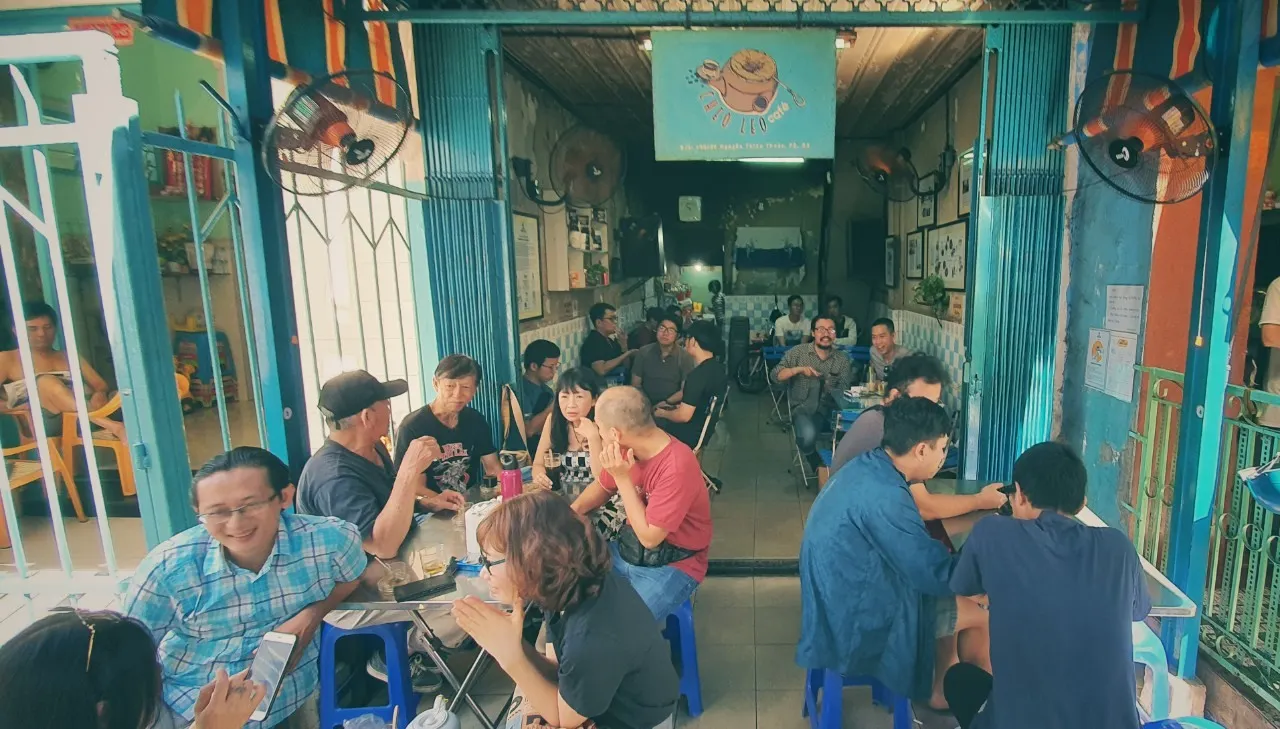
Vietnam stretches across a long, narrow coastline, with historic cities, mountains, beaches, countryside and regional cultures spread from north to south. For travelers with limited vacation time, one question comes up again and again: is 8 days in Vietnam enough to travel from Hanoi to Ho Chi Minh City by train?
The short answer is yes — if you travel with a focused itinerary. Eight days will not allow you to explore every destination in depth, but it can be enough to experience several of Vietnam’s most distinctive regions while enjoying the journey itself rather than simply flying over the country.
For travelers who enjoy scenic landscapes, cultural stops and slow travel, a north-to-south railway journey can turn those eight days into a memorable introduction to Vietnam.

Is 8 Days in Vietnam Enough? The Quick Answer
Eight days is enough for a highlights-focused Vietnam trip, particularly when the route is planned around a few carefully selected stops rather than trying to visit every famous destination.
The key is accepting that an 8-day itinerary is an introduction to Vietnam, not a complete tour of the country. Trying to combine Hanoi, Ha Long Bay, Sapa, Hue, Hoi An, Nha Trang, the Mekong Delta and Ho Chi Minh City in the same trip would create more transit time than meaningful travel experiences.
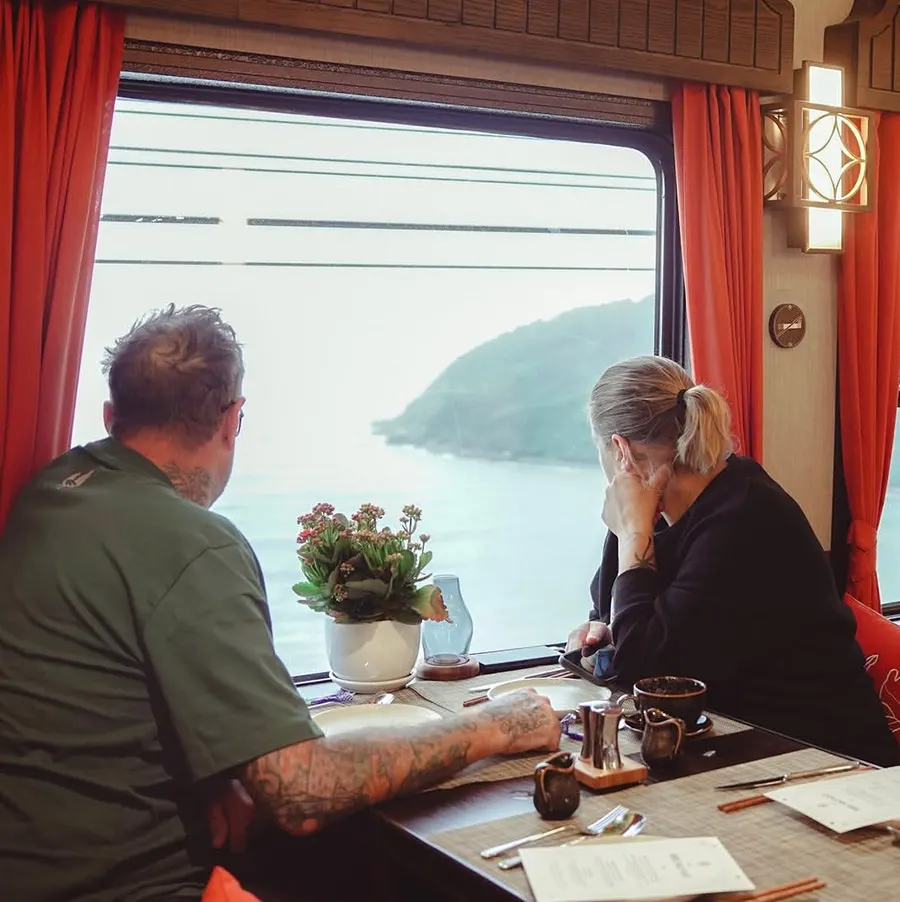
A train journey offers a different approach. Instead of treating transportation as lost time, the railway becomes part of the experience.
You can watch rice fields, mountains, coastal villages and changing landscapes from your cabin while gradually moving from northern Vietnam toward the south.

Why Travel from North to South by Train?
Flying between Hanoi and Ho Chi Minh City is faster, but speed is not always the main goal of a memorable trip.
Train travel gives you the opportunity to experience Vietnam changing gradually outside your window. Dense northern landscapes give way to central Vietnam’s mountains and coastline before the scenery becomes increasingly tropical farther south.
Some railway sections are particularly attractive because the tracks pass close to mountains, lagoons, countryside and the coast.
For travelers interested in slow travel, the journey can feel less like transportation between attractions and more like a continuous experience connecting several regions of Vietnam.
What Can You Realistically See in 8 Days?
The biggest mistake when planning an 8-day Vietnam itinerary is trying to visit too many places.
A better strategy is choosing destinations that represent different sides of the country.
An efficient north-to-south route could include:
- Hanoi for history and urban culture
- Ninh Binh for limestone landscapes and countryside
- Quang Binh for caves and national park scenery
- Hue for imperial history
- Hoi An and Quang Nam for heritage and traditional crafts
- Phu Yen for quieter coastal landscapes
- Phan Thiet for Cham culture and southern coastal life
- Ho Chi Minh City as the final destination
This route offers much more variety than simply spending several days in Hanoi before flying directly to Ho Chi Minh City.
The important difference is that you are not attempting to fully explore every destination. Instead, each stop becomes a carefully selected window into a different part of Vietnam.
A Practical 8-Day North-to-South Vietnam Train Itinerary
Here is an example of how an 8-day railway journey can work without feeling like a race across the country.
Day 1: Hanoi and the Journey Begins
Begin in Hanoi, where centuries-old architecture, busy streets and traditional food provide a strong introduction to northern Vietnam.
Rather than filling the first day with too many attractions, leave time to settle in and prepare for the southbound railway journey.
Boarding the train in the evening can also make efficient use of your first night.

Day 2: Ninh Binh – Limestone Landscapes and Ancient History
Ninh Binh is one of the most rewarding stops close to Hanoi.
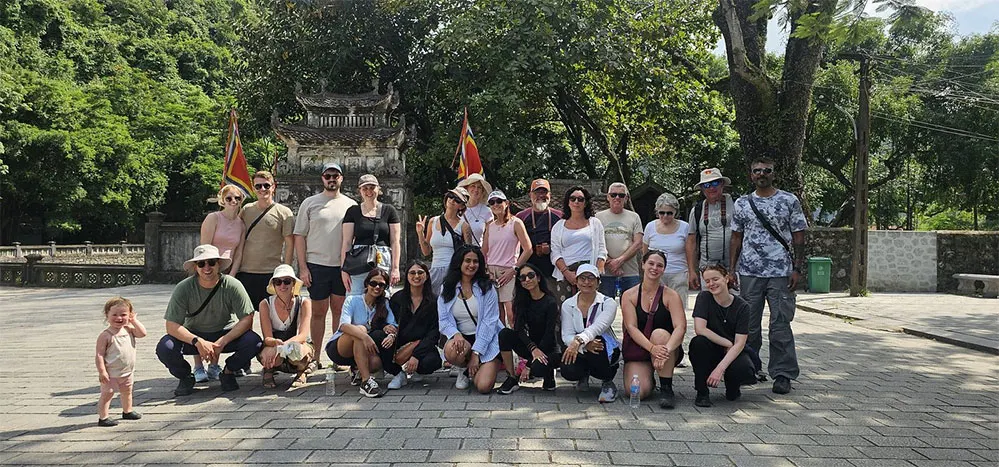
The region is known for dramatic limestone formations rising above rivers, rice fields and rural landscapes. A sampan journey through areas such as Trang An offers a completely different atmosphere from Hanoi.
Historic sites around Hoa Lu can add another dimension to the day before continuing south.
Day 3: Quang Binh – Caves and Green Landscapes
Continue toward central Vietnam and Quang Binh, home to some of the country’s most remarkable cave landscapes.
Rather than trying to see several caves in one day, focus on one meaningful experience. A combination of river scenery, limestone formations and the surrounding countryside provides enough variety without creating an exhausting schedule.
After the excursion, return to the railway journey south.

Day 4: Hue – Vietnam’s Imperial Heritage
Hue provides one of the strongest historical contrasts on the route.
The former imperial capital is known for the Imperial City, royal architecture, traditional crafts and distinctive regional cuisine. One well-planned day can introduce travelers to several important elements of Hue without attempting to see every tomb and temple.
This is exactly where a shorter Vietnam itinerary benefits from good prioritization.

Day 5: Hoi An and Quang Nam – Heritage and Local Crafts
The journey farther south passes through some of central Vietnam’s most impressive landscapes.
Hoi An offers a change of pace with its historic streets, merchant houses, colorful architecture and surrounding craft villages. Combining the old town with one hands-on local experience can be more rewarding than trying to visit every attraction.
This part of the journey also demonstrates why traveling by rail can be special: the transition between destinations becomes part of the sightseeing experience.

Day 6: Phu Yen – A Quieter Side of Coastal Vietnam
Many first-time visitors focus on Vietnam’s best-known cities, but a railway journey creates opportunities to experience less crowded coastal areas as well.
Phu Yen offers rural scenery, traditional villages and a slower coastal atmosphere. A short stop here helps balance the itinerary after several heritage-focused destinations.
It also allows travelers to see a side of Vietnam that can easily be missed when traveling primarily by plane.

Day 7: Phan Thiet – Coastal Culture Before Saigon
Farther south, the scenery and atmosphere begin to change again.
Phan Thiet provides an opportunity to discover local coastal culture, Cham heritage and regional food before the final journey to Ho Chi Minh City.
By this stage of the trip, travelers have experienced much more than a simple transfer between Vietnam’s two largest cities.

Day 8: Arrive in Ho Chi Minh City
Finish the railway journey in Ho Chi Minh City.
If your schedule allows, consider staying an additional night after the train journey rather than immediately flying home. This gives you time to explore the city at a more comfortable pace.
If eight days is your total available travel time, arriving in Ho Chi Minh City still creates a natural conclusion to the north-to-south adventure.

Is 8 Days Too Rushed for Vietnam?
It can be — but only if you try to include too much.
Eight days becomes exhausting when travelers constantly check in and out of hotels, take several domestic flights and attempt to visit two or three major attractions every day.
A well-designed railway journey works differently.
Overnight travel can reduce the need for repeated airport transfers, while carefully planned stops keep the itinerary moving in one direction.
Instead of asking, “How many attractions can I fit into eight days?” a better question is:
“Which experiences best represent the places I am traveling through?”
That change in approach can make an 8-day trip feel much more rewarding.

8 Days vs 10 Days vs 14 Days in Vietnam
How much time you need depends on how deeply you want to explore.
| Trip length | Best for | Travel style |
|---|---|---|
| 8 days | First introduction from north to south | Highlights-focused |
| 10 days | More time in major destinations | Balanced |
| 14 days | Deeper exploration and extra side trips | Relaxed |
| 3+ weeks | Multiple regions and slower travel | In-depth |
If eight days is all you have, there is no reason to abandon the idea of traveling across Vietnam.
You simply need to be selective.
With 10 or 14 days, you could add longer stays in Hanoi, central Vietnam or Ho Chi Minh City. With eight days, the railway itself becomes one of the central experiences.
Train vs Plane: Which Is Better for an 8-Day Vietnam Trip?
If your only priority is reaching Ho Chi Minh City quickly, flying is the obvious choice.
But travelers interested in the journey itself may find train travel more rewarding.
Choose flying if you:
- Have very limited time
- Want to focus on only Hanoi and Ho Chi Minh City
- Prefer the fastest transportation option
- Do not want overnight travel
Consider the train if you:
- Enjoy slow travel
- Want to see landscapes between destinations
- Prefer a journey with multiple cultural stops
- Want transportation to become part of the holiday
- Are interested in experiencing several regions instead of only major cities
There is no universally better option. The right choice depends on whether you view travel time as something to minimize or something to enjoy.
Who Is an 8-Day Vietnam Train Journey Best For?
This style of trip works particularly well for couples, mature travelers, photographers and travelers who appreciate scenery and cultural experiences.
It can also suit first-time visitors who want a broad introduction to Vietnam without organizing a complicated series of separate flights, hotels and transfers.
On the other hand, travelers whose priority is nightlife, beach resorts or spending several days in one destination may prefer a different itinerary.
Is a Luxury Train Journey Worth Considering?
For an 8-day itinerary, logistics matter.
Booking railway tickets, arranging accommodation, planning transfers and organizing activities at multiple stops can quickly become complicated — especially for travelers visiting Vietnam for the first time.
An organized journey can make the route significantly easier by combining transportation, accommodation and sightseeing into one coordinated itinerary.
For travelers who prefer a more comfortable way to experience the route, the 8-Day Luxury Vietnam Train Tour travels from Hanoi toward Ho Chi Minh City with carefully planned stops including Ninh Binh, Quang Binh, Hue, Quang Nam, Phu Yen and Phan Thiet.
Instead of worrying about each connection separately, travelers can focus on the landscapes, regional culture and experiences along the way.
How to Make an 8-Day Vietnam Train Trip Feel Less Rushed
Pack lightly whenever possible. Moving between multiple destinations becomes much easier when you are not managing several large suitcases.
Avoid adding unnecessary side trips simply because they appear on a “must-see Vietnam” list. A shorter list of meaningful experiences usually creates better memories than trying to collect as many destinations as possible.
You should also leave some unstructured time during the journey.
Watching the countryside through the window, having a relaxed meal or simply enjoying the rhythm of the train can be just as memorable as visiting another attraction.
Most importantly, treat the railway journey as part of the holiday rather than a gap between destinations.
So, Is 8 Days in Vietnam Enough?
Yes — eight days can be enough for a north-to-south Vietnam journey if your expectations and itinerary are realistic.
You will not see everything Vietnam has to offer, and you should not try to.
What you can experience is a remarkable cross-section of the country: northern city life, limestone countryside, central Vietnam’s caves and imperial heritage, historic towns, coastal communities and finally the energy of the south.
Traveling by train makes that transition visible.
Instead of jumping from Hanoi to Ho Chi Minh City in a matter of hours, you watch Vietnam gradually change around you.
For travelers who value the journey as much as the destination, eight carefully planned days can be more memorable than a longer trip spent constantly rushing from one attraction to the next.
Frequently Asked Questions
Is 8 days enough to visit Vietnam?
Yes, eight days is enough for a first introduction to Vietnam if you choose a focused itinerary. It is better to concentrate on a clear route rather than attempting to visit every major destination.
Can you travel from Hanoi to Ho Chi Minh City by train?
Yes. Vietnam’s north-south railway connects Hanoi with Ho Chi Minh City and passes through many destinations in central and southern Vietnam, making it possible to build a multi-stop railway journey.
Is traveling around Vietnam by train worth it?
For travelers who enjoy scenery, slower journeys and experiencing the landscapes between destinations, train travel can be one of the most interesting ways to explore Vietnam. It offers a very different experience from flying between major cities.
Is 8 days too short for a north-to-south Vietnam itinerary?
Eight days is relatively short, but it can work with careful planning. Limit the number of long independent transfers and focus on selected experiences at each stop.
Should I take the train or fly from Hanoi to Ho Chi Minh City?
Fly if speed is your main priority. Choose a train-based journey if you want to experience multiple regions, enjoy changing landscapes and make transportation part of your Vietnam experience.
Would 10 or 14 days be better than 8 days?
More time always provides greater flexibility. Ten days allows longer stays at several stops, while two weeks is better for travelers who want a relaxed pace. Eight days remains practical for a highlights-focused journey.
What is the best way to plan an 8-day Vietnam train itinerary?
Choose one direction, avoid unnecessary backtracking and select only the destinations that contribute something different to the trip. Combining rail travel with pre-arranged excursions and transfers can also reduce the amount of time spent organizing logistics.