Ho Chi Minh City is often introduced through its energetic streets, vibrant nightlife, and world-famous street food. Yet beyond the constant buzz of scooters and bustling markets lies a quieter side of the city—one filled with centuries-old pagodas, fragrant incense, peaceful courtyards, and timeless spiritual traditions. These sacred places are not only architectural landmarks but also windows into the everyday lives of local communities.
For many Vietnamese people, visiting a pagoda is part of life’s rhythm. Some come to pray for health, success, or happiness. Others simply seek a moment of calm away from the city’s fast pace. As a traveler, stepping inside these sacred spaces offers a rare opportunity to experience Vietnam beyond its tourist attractions. Instead of checking another landmark off your list, you’ll gain a deeper appreciation of the country’s history, beliefs, and cultural identity.
Whether you’re fascinated by Buddhist architecture, searching for the best photography locations, or planning a cultural itinerary, this guide introduces the 10 most beautiful pagodas in Ho Chi Minh City that deserve a place on your travel list. Along the way, you’ll also discover practical tips, local insights, and hidden details that many first-time visitors often overlook.
Why Pagodas Are Worth Visiting in Ho Chi Minh City
Unlike museums or historical monuments, pagodas are living cultural spaces. They continue to serve local communities every day, hosting religious ceremonies, meditation sessions, charity events, and traditional festivals throughout the year.
Each pagoda tells a different story. Some have survived wars and urban development for more than two centuries, while others showcase modern interpretations of Buddhist architecture. Their designs reflect a fascinating blend of Vietnamese, Chinese, Khmer, and even Thai influences, revealing how Ho Chi Minh City has evolved as a multicultural destination.
Visiting these sacred places also offers a welcome change of pace. Just a few steps inside the temple gates, the sounds of traffic fade behind the gentle ringing of bells, the scent of sandalwood incense fills the air, and shaded gardens invite visitors to slow down. It’s an experience that many travelers remember long after they’ve left the city.
Quick Comparison: The Best Pagodas in Ho Chi Minh City
| Pagoda | Best For | Area | Time Needed |
|---|---|---|---|
| Giac Lam Pagoda | History & Architecture | Tan Binh District | 45–60 minutes |
| Vinh Nghiem Pagoda | Modern Buddhist Architecture | District 3 | 45 minutes |
| Jade Emperor Pagoda | Photography & Spiritual Atmosphere | District 1 | 1 hour |
| Xa Loi Pagoda | History & Culture | District 3 | 45 minutes |
| Ba Thien Hau Temple | Chinese Heritage | Cholon (District 5) | 45–60 minutes |
| Buu Long Pagoda | Scenic Photography | Thu Duc City | 1.5 hours |
| Giac Vien Pagoda | Hidden Historical Gem | Tan Phu District | 45 minutes |
| Pho Quang Pagoda | Peaceful Gardens | Phu Nhuan District | 45 minutes |
| Phap Hoa Pagoda | Riverside Views | District 3 | 45 minutes |
| Van Phat Pagoda | Meditation & Quiet Escape | District 11 | 45 minutes |
1. Giac Lam Pagoda – The Oldest Pagoda in Ho Chi Minh City
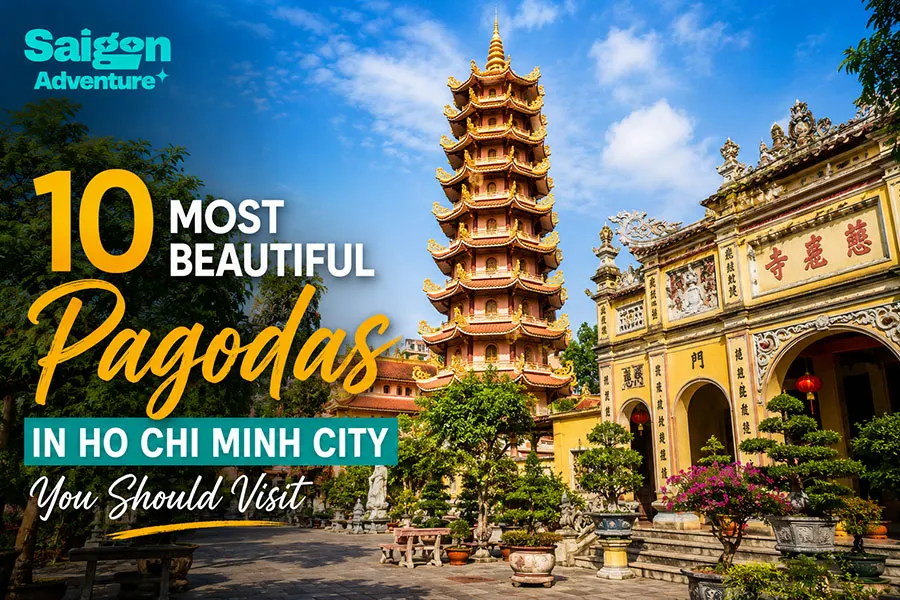
Founded in 1744, Giac Lam Pagoda is widely regarded as the oldest surviving pagoda in Ho Chi Minh City. Long before modern skyscrapers transformed the skyline, this peaceful temple had already become an important center of Vietnamese Buddhism. Today, it remains one of the city’s finest examples of traditional southern Vietnamese temple architecture.
Unlike many restored religious sites, Giac Lam retains much of its original charm. The curved tiled roofs, ancient wooden beams, and hand-carved pillars reflect craftsmanship that has been preserved for generations. Inside the main prayer hall, visitors will find more than one hundred Buddha statues crafted from wood, bronze, and ceramic, each representing different periods of Vietnamese religious art.
One of the pagoda’s most recognizable features is its seven-story stupa, which rises gracefully above surrounding trees. Although climbing the tower is usually restricted, the surrounding gardens provide beautiful views and an atmosphere of remarkable tranquility.
Local Tip: Visit before 8:00 AM to experience the pagoda at its quietest. Early morning is when local worshippers arrive to light incense and offer prayers, creating a peaceful atmosphere that few afternoon visitors experience.
2. Vinh Nghiem Pagoda – Where Traditional Design Meets Modern Vietnam
Among Ho Chi Minh City’s many religious landmarks, Vinh Nghiem Pagoda stands out for combining traditional Buddhist architecture with a modern sense of scale. Completed in the early 1970s, it quickly became one of the city’s most important Mahayana Buddhist centers.
Its impressive seven-story stone tower dominates the skyline, while the spacious courtyard and symmetrical design create an inviting atmosphere for both worshippers and travelers. Unlike some older pagodas that feature dark wooden interiors, Vinh Nghiem feels bright, open, and remarkably peaceful despite being located along one of the city’s busiest roads.
The pagoda is especially lively during Vesak, Buddha’s Birthday celebration, when thousands of lanterns, flowers, and candles decorate the complex. Outside festival periods, visitors can enjoy a quieter experience while observing monks chanting or local families making offerings.
For architecture enthusiasts, Vinh Nghiem demonstrates how Vietnamese Buddhist design continues to evolve while respecting centuries-old traditions.
Photography Tip: Late afternoon sunlight beautifully illuminates the front entrance, making it one of the best times to capture the pagoda’s elegant stone details without harsh shadows.
3. Jade Emperor Pagoda – A Mystical Masterpiece Filled with Incense
Few places in Ho Chi Minh City leave a stronger first impression than Jade Emperor Pagoda. The moment you enter, sunlight filters through clouds of incense smoke, creating an atmosphere that feels almost cinematic.
Originally built by the city’s Chinese community in the early twentieth century, the temple combines Taoist beliefs with elements of Mahayana Buddhism. Every room reveals elaborate wood carvings, colorful ceramic statues, guardian deities, and intricate altars dedicated to different spiritual figures. Rather than presenting a minimalist interior, Jade Emperor Pagoda immerses visitors in layers of symbolism, mythology, and artistic detail.
One of the temple’s most memorable features is the peaceful turtle pond tucked away in the courtyard. In Vietnamese culture, turtles symbolize longevity, wisdom, and stability, making this hidden corner a favorite place for quiet reflection.
While the architecture is extraordinary, the atmosphere itself often becomes visitors’ strongest memory. The scent of burning incense, the sound of whispered prayers, and the warm glow of candlelight create an experience that photographs alone cannot capture.
Did You Know? International visitors often confuse “temple” and “pagoda.” In Vietnam, locals frequently use the terms interchangeably, although Jade Emperor is technically a temple with both Taoist and Buddhist influences.
4. Xa Loi Pagoda – A Landmark of Modern Vietnamese Buddhist History
Xa Loi Pagoda is admired not only for its elegant architecture but also for its historical significance. During the Buddhist movement of the 1960s, it became one of the country’s most important religious centers, playing a meaningful role in Vietnam’s modern history.
Today, visitors are welcomed by a spacious prayer hall featuring polished wooden interiors, a striking bell tower, and carefully maintained gardens. Compared with some of the city’s older pagodas, Xa Loi feels more contemporary while still preserving a deeply spiritual atmosphere.
Many travelers appreciate its quieter surroundings, making it easier to spend time observing local traditions rather than simply taking photographs. You’ll often see elderly residents quietly chanting prayers, students seeking blessings before important exams, and families visiting together on weekends.
Because of its central location, Xa Loi also fits easily into a cultural walking itinerary that includes nearby colonial architecture, local cafés, and museums.
Travel Insight: If you’re interested in understanding modern Vietnamese Buddhism rather than simply admiring architecture, Xa Loi is one of the city’s most rewarding places to visit.
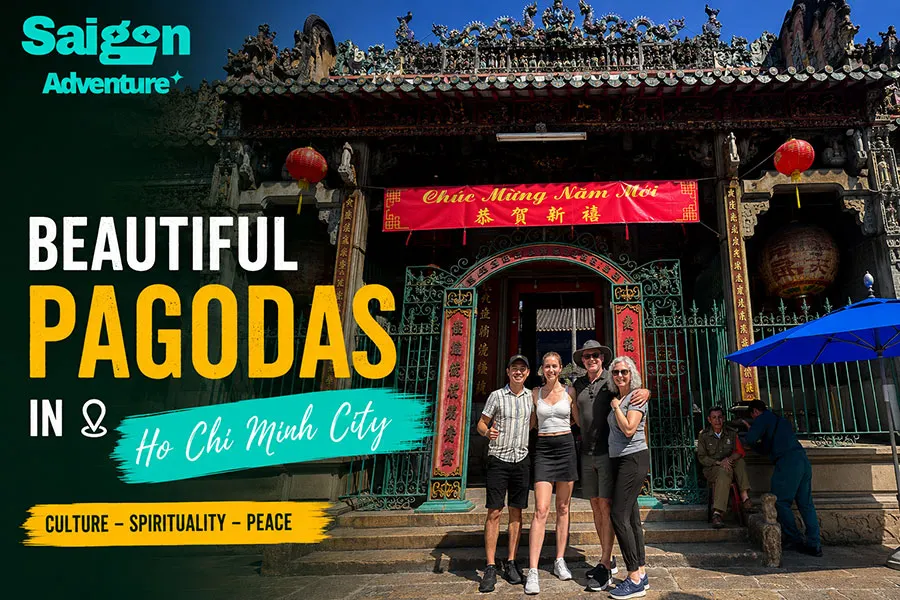
5. Ba Thien Hau Temple – Discover Chinese Heritage in the Heart of Cholon
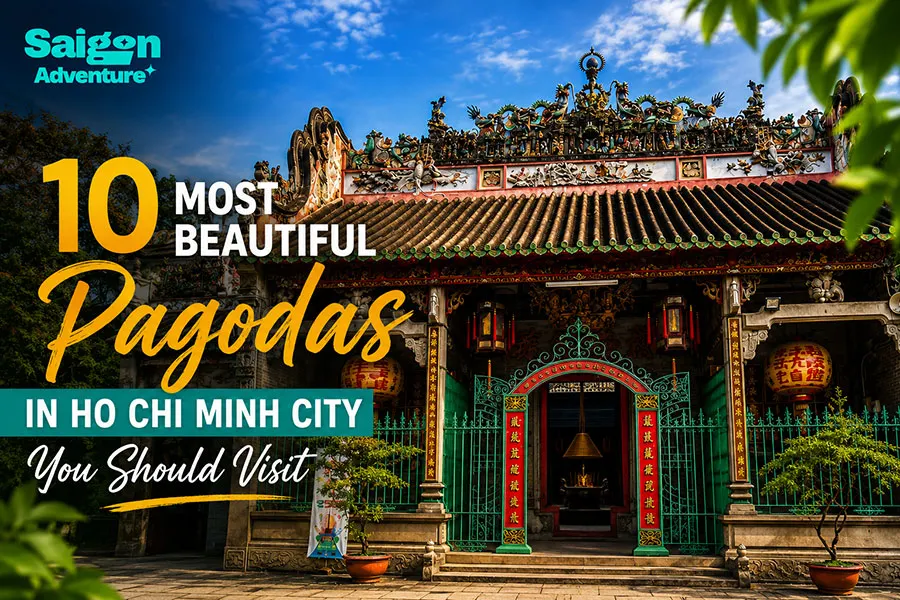
Located in the historic Cholon district, Ba Thien Hau Temple offers a completely different experience from traditional Vietnamese pagodas. Built by the Cantonese community more than 250 years ago, the temple is dedicated to Mazu, the Chinese sea goddess believed to protect fishermen and travelers.
The building itself is a masterpiece of Chinese craftsmanship. Its rooftop features colorful ceramic sculptures depicting scenes from ancient legends, while inside, enormous spiral incense coils hang gracefully from the ceiling. As they slowly burn over several weeks, they fill the temple with fragrant smoke and create one of the most recognizable interiors in Ho Chi Minh City.
Unlike attractions designed primarily for tourism, Ba Thien Hau remains an active place of worship. Local business owners often stop by before opening their shops to pray for prosperity and good fortune, while families visit during important celebrations throughout the lunar calendar.
Exploring Cholon before or after your visit also provides a fascinating glimpse into one of Southeast Asia’s oldest Chinese communities. Narrow streets, herbal medicine shops, traditional bakeries, and bustling markets all contribute to a neighborhood that feels distinctly different from central Ho Chi Minh City.
Local Experience: Visit during Lunar New Year or the Lantern Festival to witness colorful ceremonies, lion dances, and one of the city’s most vibrant cultural celebrations.
6. Buu Long Pagoda – A Hidden Architectural Gem Often Compared to Thailand
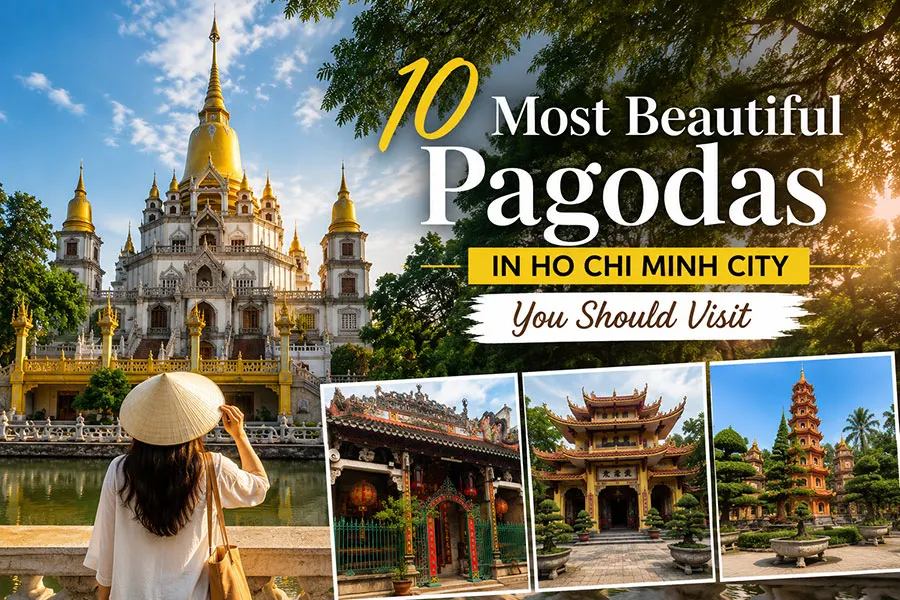
If you only have time to visit one pagoda for photography, many locals would recommend Buu Long Pagoda. Located in Thu Duc City, away from the busy downtown districts, this spectacular Buddhist complex surprises visitors with its gleaming white walls, golden stupas, and elegant symmetry. It looks remarkably different from most traditional Vietnamese pagodas, leading many travelers to compare it to famous temples in Thailand or Myanmar.
Completed in its current form in the early 21st century, Buu Long combines Theravāda Buddhist influences with Vietnamese architectural elements. The centerpiece, Gotama Cetiya Stupa, rises above manicured gardens and tranquil reflection pools, creating one of the most photogenic religious landmarks in southern Vietnam. Unlike crowded city attractions, the spacious grounds encourage visitors to slow down and appreciate the peaceful surroundings.
The atmosphere here feels especially serene because commercial activities are limited. You’ll rarely find souvenir stalls or noisy tour groups, making it an excellent destination for travelers seeking a more contemplative experience.
Photography Tip: Arrive between 7:00–9:00 AM when the soft morning light reflects beautifully across the white marble and golden domes. A wide-angle lens works particularly well for capturing the full symmetry of the complex.
7. Giac Vien Pagoda – An Overlooked Treasure of Old Saigon
While Giac Lam attracts most history lovers, Giac Vien Pagoda remains one of Ho Chi Minh City’s best-kept secrets. Established in the late 18th century, it preserves many original architectural details that have disappeared from other historic pagodas through renovation or urban expansion.
The quiet courtyard is shaded by mature trees, while the prayer hall displays beautifully carved wooden panels, antique lacquered altars, and centuries-old Buddha statues. Every corner reflects the craftsmanship of traditional Vietnamese artisans, offering a glimpse into the city’s spiritual heritage before modern development transformed the landscape.
Because relatively few international tourists visit, Giac Vien provides a more authentic atmosphere. Instead of large tour groups, you’ll often encounter local residents praying quietly or monks carrying out their daily routines. This sense of everyday life is precisely what makes the experience memorable.
If you’re interested in Vietnam’s cultural heritage rather than simply visiting famous landmarks, Giac Vien deserves a place on your itinerary.
8. Pho Quang Pagoda – A Peaceful Retreat Close to the Airport
Conveniently located near Tan Son Nhat International Airport, Pho Quang Pagoda proves that you don’t have to travel far from the city center to find tranquility. Its beautifully landscaped gardens, lotus ponds, and spacious meditation areas provide a welcome escape from Ho Chi Minh City’s constant movement.
Unlike some historic pagodas known primarily for their architecture, Pho Quang is admired for its atmosphere. Local residents often come here for morning walks, meditation, or simply to enjoy a quiet moment beneath the shade of ancient trees. Visitors may notice families making offerings, children feeding fish in the ponds, or monks tending the gardens—small everyday scenes that reveal the pagoda’s role within the community.
For travelers arriving early or departing on evening flights, Pho Quang is an excellent cultural stop that requires little extra travel time. It’s also one of the easiest pagodas to explore at a relaxed pace without feeling rushed.
Local Tip: Visit around sunset when the gardens become especially peaceful and the soft evening light creates beautiful reflections on the lotus ponds.
9. Phap Hoa Pagoda – Riverside Serenity in the Middle of the City
Standing beside the Nhieu Loc–Thi Nghe Canal, Phap Hoa Pagoda offers one of the most picturesque settings among Ho Chi Minh City’s Buddhist temples. The contrast between calm temple grounds and the surrounding urban landscape perfectly illustrates how spirituality continues to flourish within one of Southeast Asia’s busiest cities.
The pagoda is particularly enchanting during major Buddhist festivals. Thousands of colorful lanterns illuminate the riverside, while ceremonies and floating candle offerings create an unforgettable atmosphere after dark. Even outside festival seasons, visitors are drawn to its elegant prayer halls, peaceful courtyards, and the gentle reflections of the buildings on the canal.
Unlike larger tourist attractions, Phap Hoa rewards travelers who linger. Sitting quietly along the waterfront for a few minutes often becomes one of the most relaxing moments of an entire day spent exploring Ho Chi Minh City.
For photographers, the combination of lanterns, water reflections, and evening light makes this one of the city’s most rewarding locations after sunset.
10. Van Phat Pagoda – A Quiet Sanctuary Away from the Crowds
The final stop on this list may not appear in every guidebook, but that’s exactly what makes Van Phat Pagoda special. Tucked away from the busiest tourist areas, it offers an atmosphere of genuine peace that is increasingly difficult to find in a rapidly growing metropolis.
Its elegant Buddha statues, carefully maintained gardens, and simple yet graceful architecture encourage visitors to slow down and appreciate the quieter side of Vietnamese culture. Rather than impressing through grandeur, Van Phat leaves a lasting impression through simplicity and authenticity.
Travelers interested in meditation or mindfulness often appreciate spending extra time here. Even a short visit can provide a refreshing pause before returning to the lively streets, markets, and restaurants that define modern Ho Chi Minh City.
Sometimes, the most meaningful travel experiences come from places that ask you to do nothing more than sit quietly and observe.
How to Plan a Pagoda Tour in Ho Chi Minh City
If you’re short on time, you don’t need to visit all ten pagodas. A well-planned route allows you to experience several of the city’s finest religious landmarks in a single day.
Half-Day Cultural Route
- Jade Emperor Pagoda
- Vinh Nghiem Pagoda
- Xa Loi Pagoda
This route is ideal for first-time visitors interested in history, architecture, and local culture without spending the entire day traveling.
Full-Day Cultural Experience
- Giac Lam Pagoda
- Giac Vien Pagoda
- Buu Long Pagoda
- Ba Thien Hau Temple
This itinerary offers greater variety, combining ancient Vietnamese architecture, Chinese heritage, and modern Buddhist design.
Many travelers also combine temple visits with nearby cafés, traditional markets, and local food experiences. Exploring these neighborhoods with a local guide often reveals stories and cultural details that are easy to miss when traveling independently.
Temple Etiquette: Respecting Local Customs
Although Ho Chi Minh City’s pagodas warmly welcome visitors of all backgrounds, observing a few simple customs helps ensure a respectful visit.
- Wear clothing that covers your shoulders and knees.
- Remove hats before entering prayer halls.
- Keep conversations quiet and silence your phone.
- Never touch Buddha statues or sacred objects.
- Ask permission before photographing monks or worshippers.
- Avoid standing directly in front of people who are praying.
- Refrain from using drones unless permission has been granted.
- Small donations are appreciated but never required.
Respecting these traditions not only shows courtesy but also allows you to experience the spiritual atmosphere more authentically.
Common Mistakes First-Time Visitors Make
Many international travelers unintentionally make small mistakes during their first pagoda visit. Fortunately, they’re easy to avoid.
One common misconception is assuming every beautiful building is simply a tourist attraction. Remember that these are active places of worship where local people come to pray every day.
Another mistake is rushing through multiple pagodas without taking time to observe the atmosphere. Spending twenty quiet minutes watching daily rituals often creates a deeper cultural experience than visiting five temples in rapid succession.
Finally, don’t focus solely on photography. While these pagodas are visually stunning, their greatest beauty often lies in the peaceful moments that can’t be captured by a camera.
Ready to Discover Ho Chi Minh City’s Spiritual Side?
Ho Chi Minh City is a destination of contrasts, where modern skyscrapers rise beside centuries-old pagodas and busy streets lead unexpectedly to peaceful courtyards filled with incense and prayer. Exploring these sacred places offers a deeper understanding of Vietnam’s history, religious traditions, and everyday life beyond the city’s famous attractions.
Whether you’re admiring the ancient wooden architecture of Giac Lam Pagoda, photographing the striking white-and-gold beauty of Buu Long Pagoda, or experiencing the mystical atmosphere inside Jade Emperor Pagoda, each destination tells a unique story about the city’s rich cultural heritage.
If you’re looking to experience Ho Chi Minh City beyond the typical sightseeing route, consider combining these beautiful pagodas with hidden alleyways, traditional coffee shops, vibrant local markets, and authentic street food. Experiences like a Ho Chi Minh City Walking Tour or a Motorbike Tour with knowledgeable local guides can help connect these cultural landmarks into a richer and more meaningful journey.
Take your time, visit respectfully, and you’ll discover that some of Ho Chi Minh City’s most unforgettable moments happen in its quietest corners.