
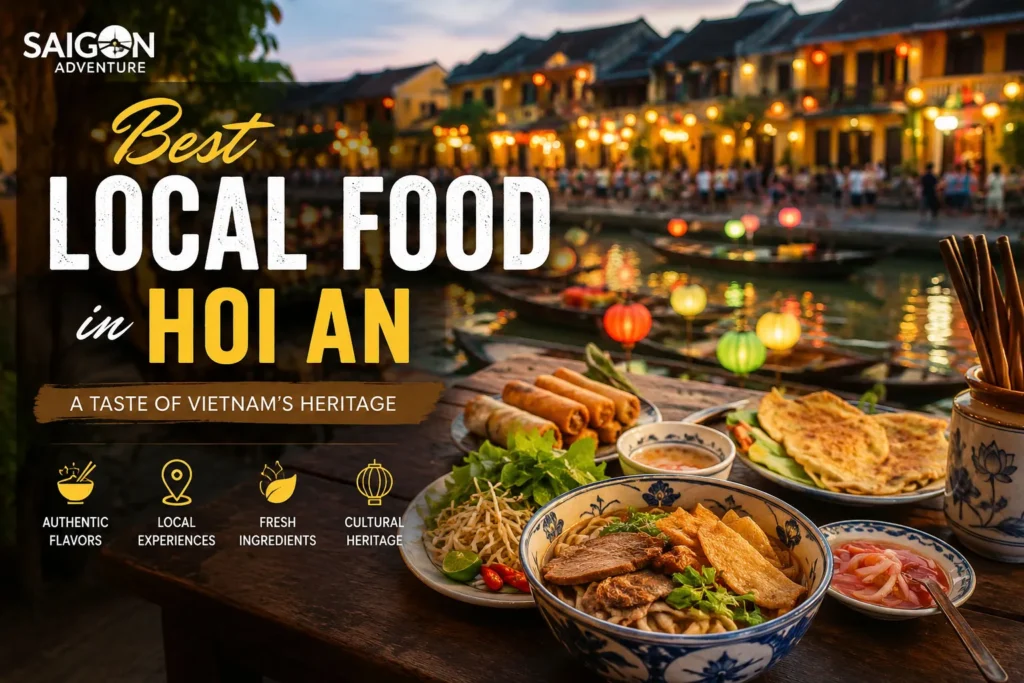
Hoi An is a town where food tells stories.
Walk through the yellow-painted streets in the early morning, and you will see local families preparing bowls of noodles before most visitors wake up. In the afternoon, small food stalls begin setting up along narrow streets, selling dishes that have been passed down through generations.
Many travelers come to Hoi An expecting beautiful lanterns, historic houses, and riverside views. But after spending time with local guides and food vendors, you quickly realize that the town’s true character is also found on a small plate of noodles, a freshly baked baguette, or a simple bowl of soup served by a family that has been cooking the same recipe for decades.
The best local food in Hoi An is not always found in the most famous restaurants. Sometimes, it appears in a small corner shop with only a few plastic chairs, where locals return every day because the taste has remained unchanged for years.
This guide introduces the must-try dishes in Hoi An, along with practical tips to help travelers experience Vietnamese cuisine like a local — not just as a tourist.
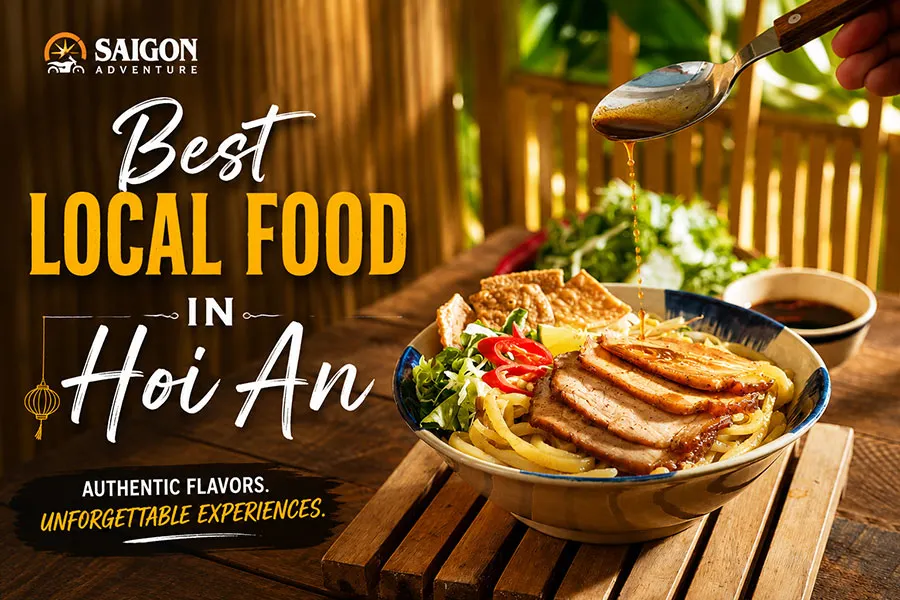
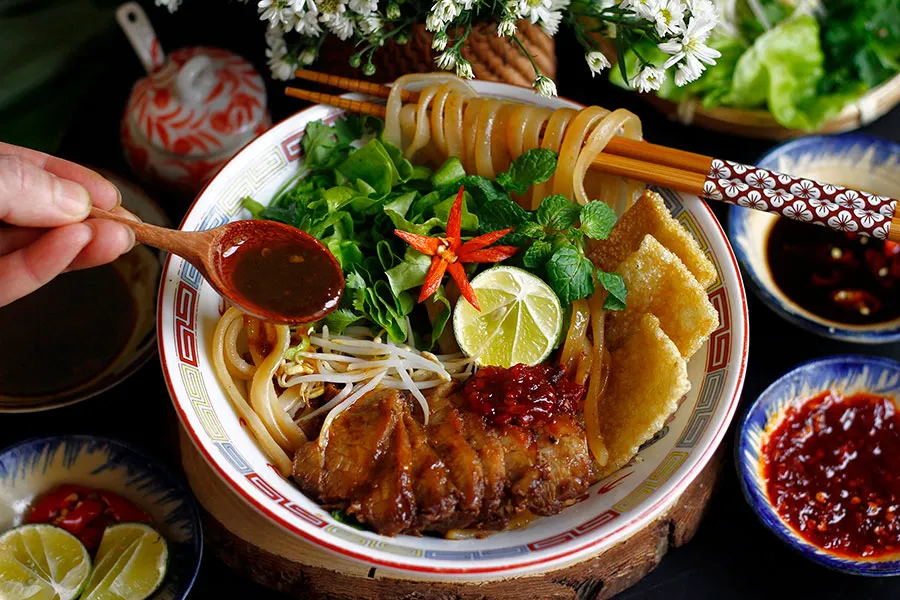
Cao Lau: The Signature Dish You Can Only Truly Taste in Hoi An
If there is one dish that represents Hoi An’s culinary identity, it is Cao Lau.
Unlike many Vietnamese noodle dishes that can be found throughout the country, Cao Lau is strongly connected to Hoi An. The dish features thick rice noodles, slices of roasted pork, fresh herbs, crispy noodles, and a small amount of rich broth.
What makes Cao Lau special is the texture.
The noodles are slightly chewy, different from the softer noodles used in Pho. Local stories often mention that traditional Cao Lau noodles were prepared using water from an ancient local well, creating their unique texture. While modern preparation methods vary, many traditional cooks still carefully protect the techniques that make the dish recognizable.
A common mistake among first-time visitors is expecting Cao Lau to be a soup dish. It is actually much drier than Pho, with only enough sauce and broth to combine the ingredients.
Local tip:
The best time to try Cao Lau is in the morning or early afternoon. Many small family-run places prepare a limited amount each day and may close once everything is sold.
When enjoying Cao Lau, do not rush. Mix the herbs, pork, noodles, and crispy toppings together to experience the balance of textures that makes this dish unique.
White Rose Dumplings: Hoi An’s Elegant Local Specialty
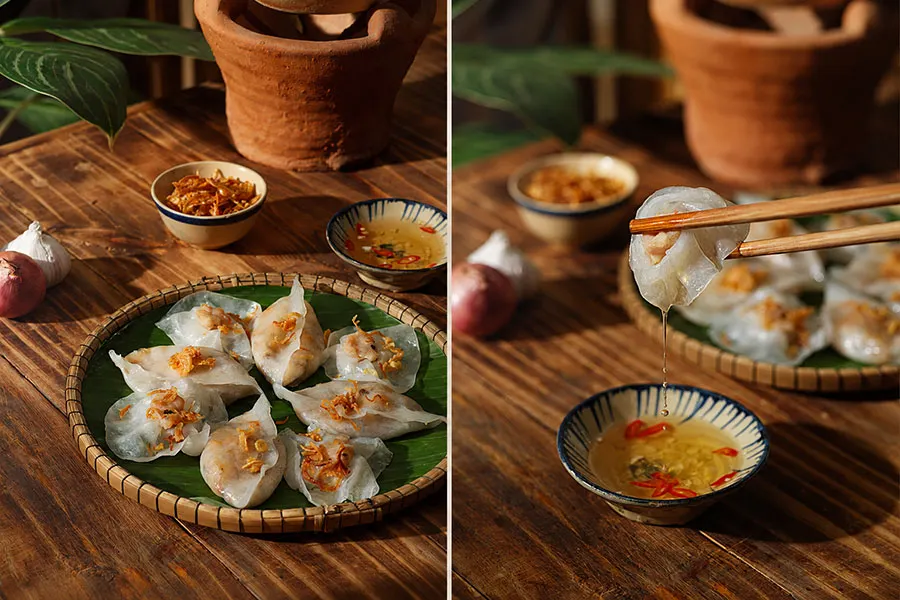
Another iconic Hoi An dish is White Rose Dumplings (Banh Bao Banh Vac), a delicate type of shrimp dumpling that looks almost like a small flower.
The name “White Rose” comes from its appearance. The thin rice paper wrapper is carefully folded by hand, creating a shape similar to a blooming flower. Inside is usually seasoned shrimp, topped with crispy fried shallots and served with a sweet and savory dipping sauce.
Although it looks simple, making White Rose Dumplings requires patience and skill.
The dough must have the right thickness — too thick, and the dumpling becomes heavy; too thin, and it may break during preparation. In Hoi An, some families have specialized in making this dish for generations, supplying restaurants across the town.
Many tourists order White Rose Dumplings because they are visually beautiful, but locals appreciate them because they represent the craftsmanship behind Hoi An cuisine.
Traveler advice:
Do not judge this dish only by the portion size. White Rose Dumplings are usually enjoyed as an appetizer or shared dish rather than a full meal.
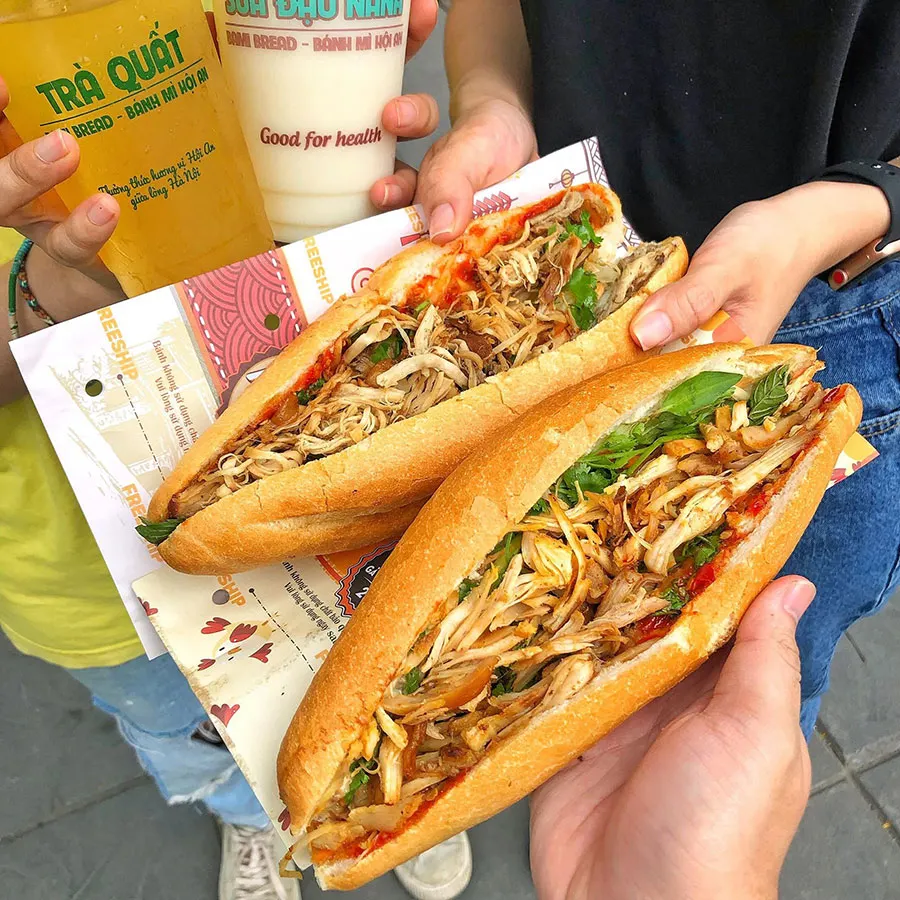
Hoi An Banh Mi: More Than Just a Vietnamese Sandwich
Vietnamese Banh Mi is famous worldwide, but Hoi An has developed its own style that many travelers consider among the best in Vietnam.
A Hoi An Banh Mi usually combines a crispy baguette with ingredients such as grilled pork, pate, Vietnamese herbs, pickled vegetables, chili sauce, and special homemade sauces.
The secret is not only the ingredients but the balance.
A good Banh Mi should have a crunchy outside, soft inside, savory meat, fresh herbs, and a little sweetness and spice. Every shop has its own sauce recipe, which is often the main reason locals return.
One interesting detail visitors often miss is that Banh Mi in Hoi An is not just a quick snack. For many locals, it is a convenient breakfast before work or school.
Local experience tip:
Try eating Banh Mi while walking through the Old Town in the early morning. This is when Hoi An feels most authentic — before the streets become busy with sightseeing groups.
For travelers interested in discovering Vietnamese street food beyond famous dishes, a guided food experience can help you find small vendors that are easy to miss when exploring alone.
Travelers planning to explore more regional flavors across Vietnam may also enjoy a Saigon Food Tour, where local guides introduce authentic street food, family-run eateries, and hidden culinary gems that many visitors would never discover on their own.
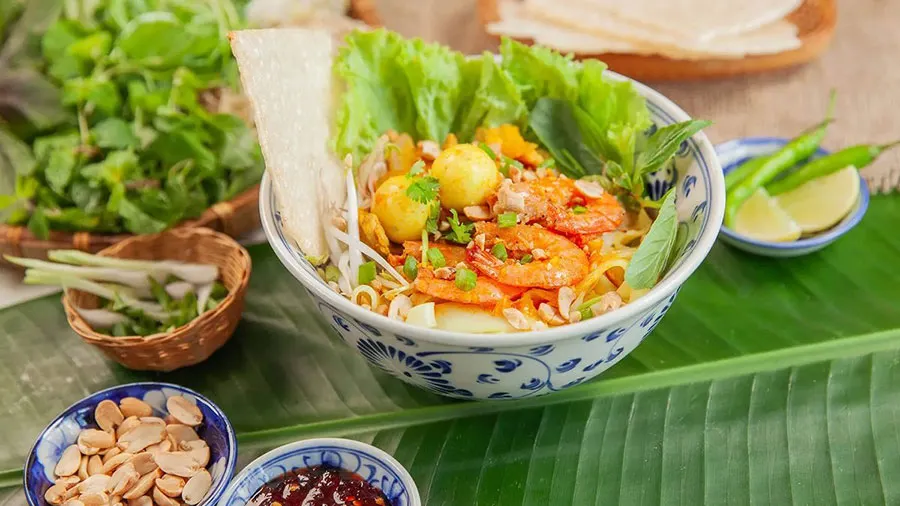
Mi Quang: A Taste of Central Vietnam
Although Mi Quang is strongly associated with Quang Nam and Da Nang, it is also an important part of Hoi An’s local food culture.
This colorful noodle dish includes wide rice noodles, shrimp or pork, fresh herbs, peanuts, crispy rice crackers, and a small amount of flavorful broth.
Compared with Pho, Mi Quang uses much less liquid. The focus is on combining different textures and flavors in one bowl.
A local way to enjoy Mi Quang is to break the crispy rice cracker into smaller pieces and mix everything together before eating. The peanuts add crunch, while fresh herbs balance the richness of the meat and noodles.
Many visitors make the mistake of searching only for “famous restaurants” and missing smaller neighborhood places where locals actually eat.
A good sign of an authentic Mi Quang restaurant:
You will usually see local residents having breakfast there, the menu may be simple, and the restaurant may not look designed for tourists.
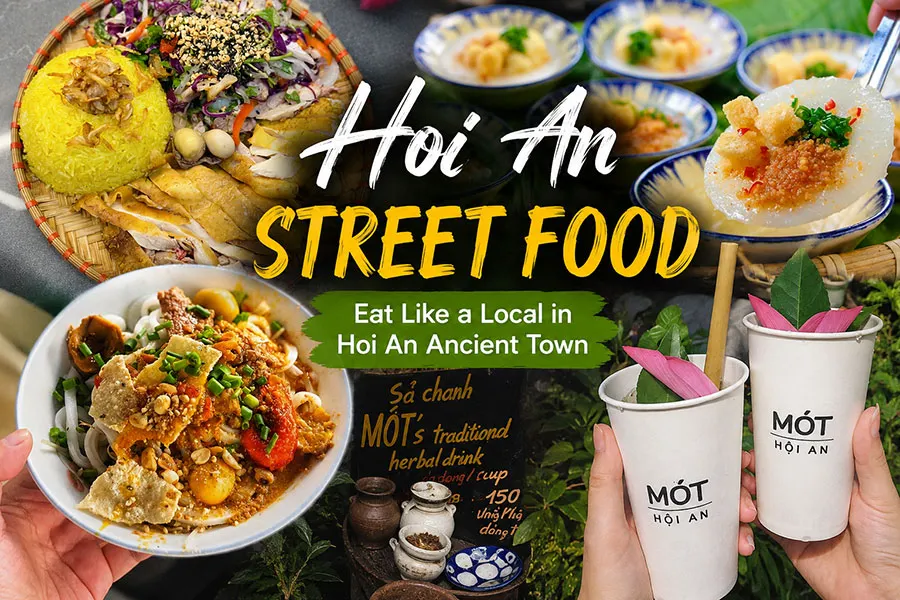
Hoi An Street Food: The Flavors Hidden Beyond the Main Streets
Many travelers explore Hoi An Ancient Town by following the most popular streets, taking photos near lantern shops, and visiting famous restaurants recommended online. While these places can offer good food, some of the most memorable local dishes are often found slightly away from the busiest areas.
A short walk into residential streets can reveal a different side of Hoi An’s food culture. You may find an elderly vendor preparing a small batch of noodles, a family selling freshly made snacks outside their home, or a tiny shop that has served the same recipe for decades.
Local food in Hoi An is closely connected to daily life. People do not always search for fancy dining experiences. They look for familiar flavors, reasonable prices, and dishes that remind them of home.
Some street foods worth trying include:
- Banh Dap (Crispy Rice Cracker with Fermented Anchovy Sauce): A simple but unique combination of crispy and soft rice crackers served with a traditional fish sauce-based dip.
- Com Hen (Baby Clam Rice): A flavorful local-style rice dish with tiny clams, herbs, peanuts, and spices.
- Che Hoi An (Vietnamese Sweet Soup): A refreshing dessert with many variations, from sweet bean desserts to colorful tropical combinations.
- Grilled Seafood: Thanks to Hoi An’s location near the coast, fresh seafood is a major part of the local dining experience.
For international travelers, trying these dishes provides a better understanding of how Vietnamese people actually eat — not just the famous dishes found on restaurant menus.
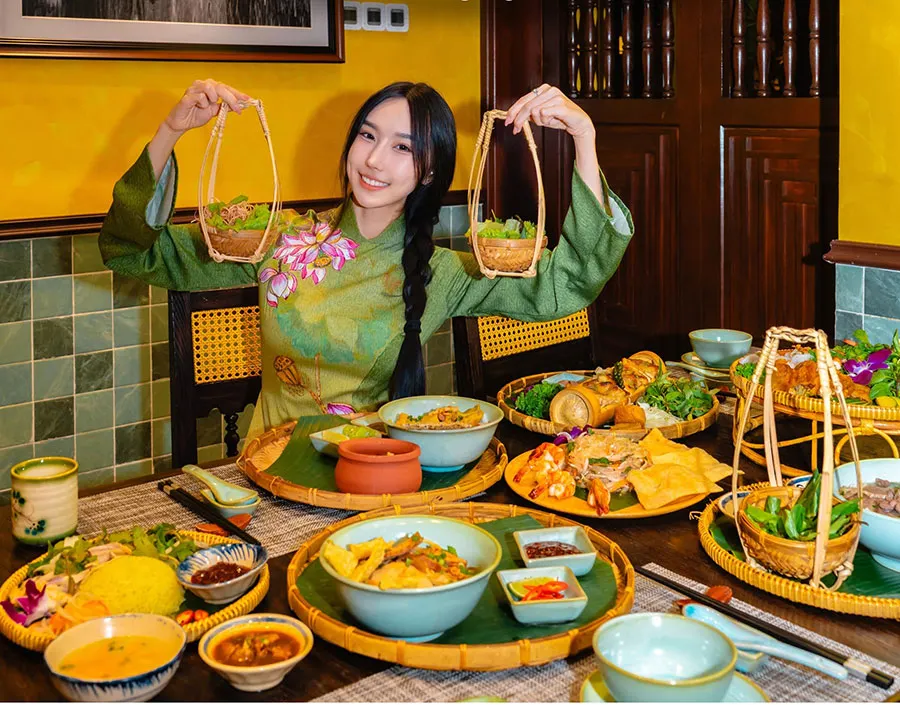
Morning Food Culture: Why Breakfast Is the Best Time to Explore Hoi An Cuisine
One thing many visitors do not realize is that breakfast is one of the best moments to experience authentic Hoi An food.
Vietnamese breakfast culture is very different from many Western countries. Locals often eat outside, sitting on small chairs while enjoying a bowl of noodles, a sandwich, or a simple rice dish before starting the day.
Early morning in Hoi An offers a quieter atmosphere. The streets are cooler, vendors are preparing fresh ingredients, and many food stalls mainly serve local residents instead of tourists.
A few breakfast experiences worth trying:
Start With Cao Lau or Mi Quang
Many noodle shops prepare their best batches in the morning. The ingredients are fresh, and the atmosphere feels more local.
Visit Hoi An Central Market Early
Hoi An Central Market is one of the best places to observe local food culture. Inside the market, you can find small food stalls serving affordable Vietnamese dishes, fresh fruit, desserts, and regional specialties.
The experience is not only about eating. It is about watching how locals interact with vendors and how food remains an important part of community life.
Local guide tip:
Arrive before 9 AM if you want to see the market at its most authentic. Later in the day, the atmosphere becomes more focused on tourists.
Common Mistakes Travelers Make When Trying Food in Hoi An
Exploring food in a new country is exciting, but small mistakes can prevent travelers from having the best experience.
Here are some things local guides often notice:
Choosing Restaurants Only Based on Beautiful Photos
Some restaurants in tourist areas create attractive menus and decorations, but appearance does not always represent authenticity.
A small restaurant with simple furniture may have better traditional flavors because it focuses on local customers rather than visitors.
Eating Only Famous Dishes
Cao Lau and Banh Mi are must-try foods, but stopping there means missing many other local specialties.
Hoi An cuisine is diverse because it combines influences from Vietnamese, Chinese, and Japanese communities that shaped the town’s history.
Visiting Food Spots at the Wrong Time
Many traditional food vendors prepare limited quantities.
A traveler arriving late in the afternoon may find that a popular local dish has already sold out.
The best strategy is to follow local eating habits:
- Breakfast: noodles, Banh Mi, rice dishes
- Lunch: local specialties and family restaurants
- Evening: street food, seafood, desserts, and riverside snacks
Expecting Every Dish to Taste Like Vietnamese Food Abroad
Vietnamese cuisine outside Vietnam is often adjusted to match local preferences.
Food in Hoi An may have stronger herbs, different textures, and more balanced sweet-salty flavors. Part of the experience is appreciating the original regional style.
How to Experience Hoi An Food Like a Local Traveler
Food is one of the easiest ways to connect with a destination, but knowing where to look makes a big difference.
A few simple tips can improve your experience:
Follow Local Crowds
A busy restaurant full of Vietnamese customers is usually a positive sign. Locals rarely return to places that consistently disappoint.
Ask Questions
Do not hesitate to ask vendors:
- “What do locals usually order?”
- “Is this dish spicy?”
- “What is the best time to eat this?”
Many Vietnamese food sellers are proud of their dishes and enjoy sharing stories.
Try Small Portions
Instead of ordering one large meal, consider trying several smaller dishes. Hoi An is a perfect city for food exploration because many specialties are served in manageable portions.
Walk Between Food Stops
Hoi An’s Old Town is compact and beautiful on foot. Walking allows you to discover hidden cafés, small food stalls, and local neighborhoods that you may miss from a vehicle.
Travelers who enjoy discovering destinations at a slower pace may also enjoy exploring local neighborhoods through a guided experience such as a Walking Tour, where local stories and hidden corners bring the city’s culture to life.
A Food Journey Through Hoi An Is More Than a Meal
The best local food in Hoi An is not only about what appears on the plate. It is about the people behind the dishes, the traditions passed through generations, and the daily moments that make Vietnamese cuisine special.
A bowl of Cao Lau tells a story about local craftsmanship. A White Rose Dumpling represents patience and tradition. A simple Banh Mi reflects the rhythm of everyday life in Vietnam.
For first-time visitors, exploring Hoi An through food is one of the most rewarding ways to understand the town beyond its famous lantern streets.
If Hoi An inspires you to discover more authentic Vietnamese cuisine, continue planning your adventure with our Plan Your Vietnam Trip guide. You’ll find travel inspiration, practical tips, and local experiences across Vietnam. When you’re ready to explore Ho Chi Minh City like a local, Saigon Adventure offers immersive food tours, walking tours, and cultural experiences led by passionate local guides.
FAQ: Best Local Food in Hoi An
What is the most famous local food in Hoi An?
The most famous local foods in Hoi An include Cao Lau, White Rose Dumplings (Banh Bao Banh Vac), Hoi An Banh Mi, and Mi Quang. These dishes represent the unique flavors and culinary traditions of Central Vietnam.
Where can I find authentic local food in Hoi An?
Authentic Hoi An food can be found at traditional family restaurants, local markets, and small street food stalls away from the busiest tourist areas. Following local crowds is often a good way to discover quality food.
How much does food cost in Hoi An?
Local food in Hoi An is generally affordable. Street food and small local restaurants usually offer dishes at budget-friendly prices, while riverside restaurants and tourist-focused venues may cost more.
What food should first-time visitors try in Hoi An?
First-time visitors should try Cao Lau, White Rose Dumplings, Banh Mi Hoi An, Mi Quang, Vietnamese sweet desserts, and local seafood dishes.
Is Hoi An good for a food tour?
Yes. Hoi An is an excellent destination for a food tour because many traditional dishes are connected to local history and family recipes. A local guide can help travelers discover authentic places that are difficult to find independently.
Explore our best-selling tours

All Inclusive Package Tours
Mekong Delta Tours

All Inclusive Package Tours
Beyond Ho Chi Minh City
Mekong Delta Floating Market 3 Days 2 Nights – Exit Rach Gia/ Phu Quoc/ Chau Doc
All Inclusive Package Tours
All Inclusive Package Tours
Cat Tien National Park 3 Days Tour From Ho Chi Minh City To Da Lat

All Inclusive Package Tours

Multi-day Tour
All Inclusive Package Tours