Vietnam’s coastline stretches for more than 3,000 kilometers, yet many visitors only recognize a handful of famous names. Search online for Vietnam’s beaches, and the same destinations usually appear in the same order. What those lists rarely explain is that two beaches only a few hundred kilometers apart can offer completely different experiences—not because of the scenery alone, but because of local culture, weather patterns, fishing traditions, and even the rhythm of daily life.
A beautiful beach is easy to photograph. Finding one that matches your travel style is another story.
Some travelers dream of quiet mornings with nothing but the sound of fishing boats returning to shore. Others are searching for clear water for snorkeling, fresh seafood prepared by local families, or coastal roads that reward every kilometer with panoramic ocean views. Vietnam offers all of these experiences, but not always where first-time visitors expect.
Another surprise is how quickly the coastline changes. White-sand beaches in Phu Quoc feel completely different from the dramatic granite bays around Quy Nhon or the windswept shores of Mui Ne. Even famous destinations reveal another side if you visit at the right hour instead of arriving with the midday crowds.
Rather than ranking beaches from “best” to “worst,” this guide focuses on helping you choose the right destination for your travel style. If you’re planning a longer journey across Vietnam, combining several coastal regions into one itinerary often creates a much richer experience than spending an entire week in a single resort town.

Beaches That Leave the Strongest First Impression
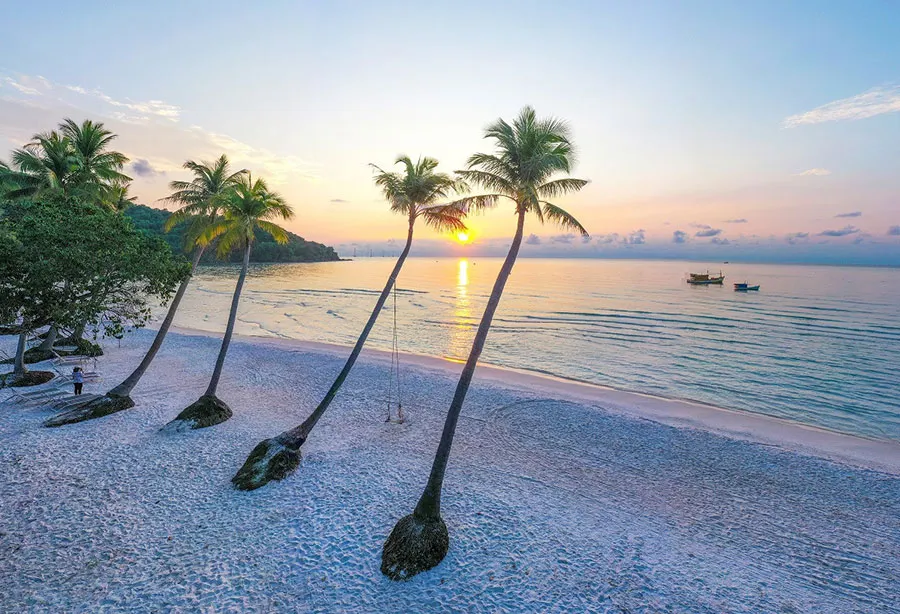
Sao Beach, Phu Quoc – The Calm Side of Vietnam’s Largest Island
When travelers picture tropical Vietnam, they’re often imagining Sao Beach without realizing it.
Its powdery white sand and shallow turquoise water make it one of the country’s most recognizable coastlines, yet timing makes all the difference. Visitors arriving around noon frequently wonder why the beach feels crowded, while early risers experience something entirely different.
Between sunrise and roughly 8:30 a.m., the atmosphere is remarkably peaceful. Local fishermen finish their morning routines, cafés begin serving Vietnamese coffee, and the sea is often at its calmest. The light during these hours also produces softer photographs without harsh shadows.
One detail many travel guides overlook is the seasonal difference. During the northeast monsoon, generally from November through April, Sao Beach usually enjoys calm, clear water. During the opposite season, waves and seaweed can change its appearance dramatically. Checking local weather conditions before planning your visit is far more useful than relying solely on calendar months.
Seafood lovers shouldn’t rush back to town after swimming. Small family-run restaurants nearby often serve grilled scallops, sea urchin, steamed squid, and freshly caught fish that arrived only hours earlier.
Many travelers begin their journey in Ho Chi Minh City before flying to Phu Quoc, making the island an easy addition to a longer Vietnam itinerary. If your schedule allows, combining southern beaches with the Mekong Delta creates a more varied experience than spending your entire holiday on one island.
Local Tip
Instead of spending the entire day here, consider visiting Sao Beach in the morning before continuing toward Phu Quoc’s southern attractions. The combination creates a much more balanced day than remaining on one beach until sunset.
My Khe Beach, Da Nang – Where Daily Life Meets the Ocean
Many international visitors describe My Khe as one of Asia’s best urban beaches, but its biggest attraction isn’t only the sand or water.
It’s the people.
Before sunrise, hundreds of local residents gather here for tai chi, beach volleyball, jogging, swimming, and morning exercise. Elderly couples walk barefoot along the shoreline while fishermen untangle their nets only a short distance away. By 6:30 a.m., the beach feels more like a community gathering place than a tourist destination.
Watching this routine offers something many travelers miss when they arrive later in the day.
The beach itself stretches for several kilometers, so even during busy seasons it rarely feels overly crowded if you’re willing to walk a little farther from the main entrances.
Another advantage is convenience. Restaurants, cafés, luxury hotels, local seafood markets, and attractions like the Marble Mountains are all within easy reach, making My Khe an excellent base for several days of exploration.
Common Mistake
Many visitors only spend a few hours at My Khe before moving on to Hoi An. Staying two or three nights in Da Nang allows enough time to enjoy the beach in the morning, explore nearby cultural sites during the afternoon, and experience the city’s vibrant seafood scene after sunset.

Ky Co Beach, Quy Nhon – Worth the Extra Journey
Quy Nhon doesn’t always appear on first-time travel itineraries, which is exactly why many experienced travelers recommend it.
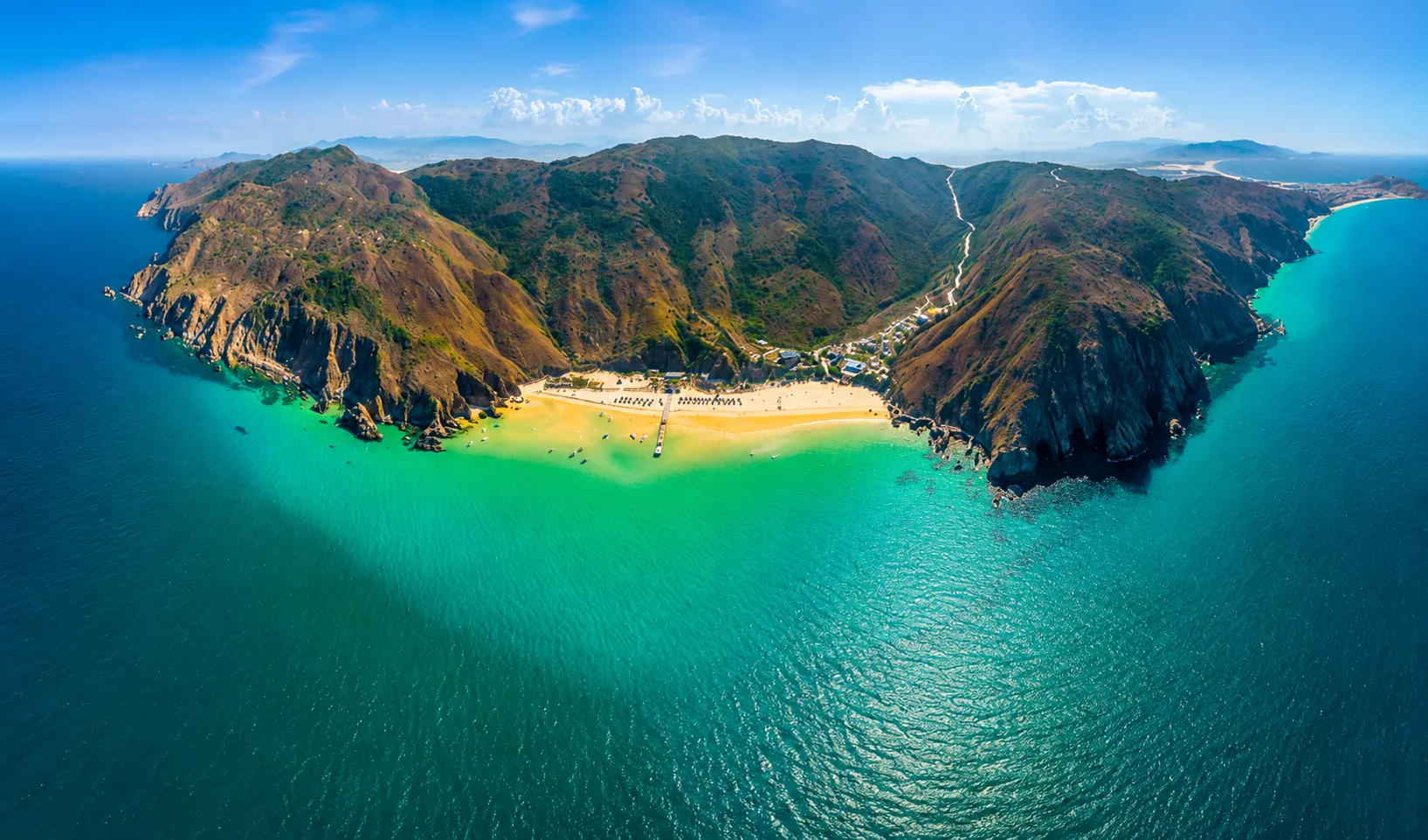
Ky Co Beach rewards visitors who venture beyond Vietnam’s better-known destinations. The journey itself—by speedboat or scenic coastal road—becomes part of the experience.
Unlike beaches surrounded by high-rise developments, Ky Co still feels relatively untouched. Rocky cliffs frame the bay, creating calm, clear water that often reveals schools of small tropical fish close to shore.
Photographers quickly notice another advantage.
The cliffs surrounding the beach create changing light throughout the day, producing completely different colors between early morning and late afternoon. Drone photography is particularly popular here, although visitors should always respect local regulations and avoid flying over crowded swimming areas.
Food is another pleasant surprise.
Rather than international restaurants, nearby fishing communities specialize in simple dishes featuring steamed shellfish, grilled lobster during the season, sea snails, and locally harvested seaweed salads.
Guide’s Advice
If you’re traveling from Da Nang or Nha Trang, consider spending at least two nights in Quy Nhon instead of treating it as a quick stop. The slower pace is one of its greatest strengths, and nearby beaches each have their own character.
Not Every Famous Beach Is the Right Choice
One of the biggest misconceptions about Vietnam’s coastline is that popularity always equals the best experience.
In reality, your ideal beach depends on what kind of traveler you are.
Families with young children usually appreciate gentle waves and easy access to restaurants.
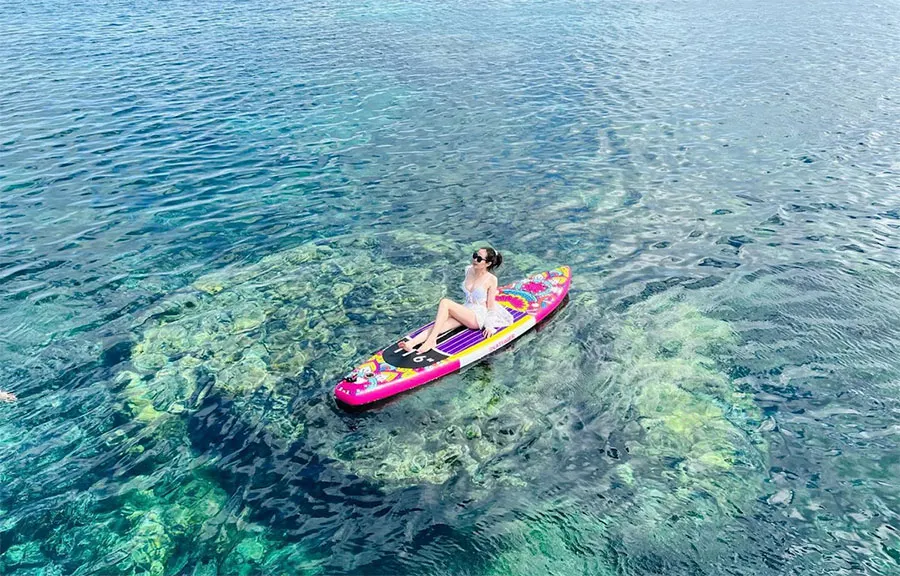
Adventure travelers often prefer destinations where snorkeling, paddleboarding, diving, or coastal hiking are available.
Couples looking for quiet evenings may enjoy smaller fishing towns that become peaceful after sunset rather than lively resort districts filled with nightlife.
This is why many local guides recommend building a journey that combines different coastal regions instead of choosing only one destination. A longer itinerary allows you to experience Vietnam’s remarkable diversity—from tropical islands in the south to dramatic central coastlines—without feeling rushed.
Beyond the Famous Names: Beaches That Reward Curious Travelers
Doc Let Beach, Khanh Hoa – Slow Mornings and Local Rhythm
Doc Let often lives in the shadow of nearby Nha Trang, yet that’s exactly why many travelers fall in love with it. The atmosphere is noticeably quieter, and the long stretch of soft sand invites unhurried walks rather than packed itineraries.
One of the nicest surprises here is how connected the beach remains to local life. Fishing boats still line parts of the shore, and it’s common to see families gathering under casuarina trees for weekend picnics. If you arrive early, you’ll likely pass fishermen sorting the morning catch while small seafood restaurants prepare their first customers’ meals.
Fresh grilled squid, clams with scallion oil, and steamed prawns are local favorites. Many restaurants charge by weight, so asking to see the seafood before it’s cooked helps avoid surprises on the bill.
Photography Tip
The beach faces east, making sunrise the most rewarding time for photography. The light is soft, the sand remains undisturbed, and the fishing boats add authentic character to wide landscape shots.
Mui Ne – A Beach for Travelers Who Like Variety
Mui Ne isn’t the place to spend every hour lying under an umbrella. Its appeal comes from how many different experiences fit into a single destination.
A typical day might begin with sunrise over the fishing harbor, continue with an afternoon on the beach, and finish exploring the Red Sand Dunes as the evening light turns the landscape golden.
The coastline also attracts kite surfers from around the world thanks to reliable winds during much of the dry season. Even if you don’t participate, watching dozens of colorful kites dancing across the water is part of the experience.
One mistake visitors often make is assuming every beach in Mui Ne offers calm swimming conditions. Wind patterns vary throughout the year, so some sections are better suited to water sports than relaxed swimming.
Con Dao – Beauty That Comes with Responsibility
Con Dao is often described as one of Vietnam’s most beautiful island destinations, but its greatest treasure lies beneath the surface.
Healthy coral reefs, clear water, and protected marine ecosystems make it one of the country’s best places for snorkeling and diving. Between the appropriate months, visitors may even have the rare opportunity to witness sea turtle conservation programs organized under strict environmental regulations.
Because much of the archipelago is protected, responsible travel matters here.
Simple choices make a difference:
- Never stand on coral reefs.
- Avoid collecting shells or marine life.
- Use reef-safe sunscreen whenever possible.
- Carry a reusable water bottle instead of buying multiple plastic bottles.
These small actions help preserve the islands for future generations.
Choosing the Right Beach for Your Travel Style
Instead of asking, “Which beach is the best?” consider asking, “Which beach suits my trip?”
| Travel Style | Recommended Beaches |
|---|---|
| Families | My Khe, Doc Let, Long Beach (Phu Quoc) |
| Couples | Sao Beach, Con Dao, Ky Co |
| Adventure Travelers | Mui Ne, Con Dao, Quy Nhon |
| Luxury Escape | Phu Quoc, Da Nang |
| Photography Enthusiasts | Ky Co, Mui Ne, Doc Let |
| Food Lovers | Da Nang, Quy Nhon, Phu Quoc |
No single destination offers everything. Vietnam’s coastline becomes far more rewarding when you combine different regions instead of limiting yourself to one resort.

A Sample Multi-Day Beach Journey Across Vietnam
Many travelers underestimate how much time they lose checking in and out of hotels every night. A thoughtfully planned multi-day itinerary creates a smoother experience and allows you to appreciate how dramatically Vietnam’s coastline changes from region to region.
Here’s one example:
Days 1–3: Da Nang and My Khe Beach
Enjoy the beach at sunrise, explore the Marble Mountains, visit Hoi An in the evening, and sample Central Vietnam’s famous seafood.
Days 4–5: Quy Nhon and Ky Co Beach
Slow down, discover quieter beaches, and experience a coastal city that still feels refreshingly local.
Days 6–8: Phu Quoc Island
Finish your journey with tropical beaches, island sunsets, snorkeling excursions, and relaxed seaside dining.
This kind of itinerary balances city life, culture, nature, and beach time without feeling rushed.
If you’re planning a longer holiday, exploring several destinations through a carefully organized multi-day journey is often more enjoyable than staying in a single resort throughout your vacation.
Practical Beach Tips from Local Guides
After years of guiding travelers across Vietnam, a few patterns appear again and again.
- The best swimming hours are usually before 10:00 a.m., when temperatures are cooler and beaches are quieter.
- Weekends and Vietnamese public holidays can be significantly busier than weekdays.
- Weather varies by region. Sunshine in Central Vietnam doesn’t necessarily mean clear skies in Phu Quoc.
- Don’t judge a beach by social media photos alone. Many pictures are heavily edited or taken during ideal seasonal conditions.
- Carry small cash for parking, local food stalls, and fishing villages where card payments may not be accepted.
- Respect warning flags and local advice, particularly during the rainy season when currents can become stronger.
Frequently Asked Questions
Which beach in Vietnam has the clearest water?
Sao Beach in Phu Quoc, Ky Co Beach near Quy Nhon, and several beaches around Con Dao are widely known for their clear water during the dry season.
What is the best month to visit Vietnam’s beaches?
There isn’t one perfect month for the entire country. Regional weather differs, but November to April is generally favorable for many southern beach destinations.
Which beaches are best for families?
My Khe Beach, Long Beach in Phu Quoc, and Doc Let Beach offer gentle shorelines, convenient facilities, and easy access to restaurants.
Where can I avoid large tourist crowds?
Quy Nhon, Con Dao, and parts of Doc Let remain less crowded than Vietnam’s most famous beach destinations.
Can I combine several beach destinations in one trip?
Absolutely. Many international visitors combine Da Nang, Quy Nhon, and Phu Quoc—or pair beach destinations with cultural highlights such as Hoi An, Hue, or Ho Chi Minh City—for a richer travel experience.
Is Vietnam suitable for a long beach holiday?
Yes. Vietnam’s diverse coastline makes it ideal for travelers who want to combine beaches with history, food, mountains, islands, and local culture over one extended journey.

Ready to Taste Vietnam’s Most Iconic Drinks?
Vietnam’s coastline isn’t defined by a single postcard-perfect beach. Its real appeal comes from variety. One morning you may watch fishermen bringing in their catch before sunrise. A few days later, you could be snorkeling above coral reefs or sharing grilled seafood with locals beside a quiet harbor.
The most memorable trips rarely focus on only one destination. They connect different regions, landscapes, and cultures into a journey that unfolds naturally.
If you’re planning to experience several of Vietnam’s coastal highlights in one vacation, explore Saigon Adventure’s Multi-Day Tours. A carefully designed itinerary helps you spend less time organizing transport and more time enjoying beaches, local cuisine, cultural experiences, and the incredible diversity that makes Vietnam one of Southeast Asia’s most rewarding destinations.