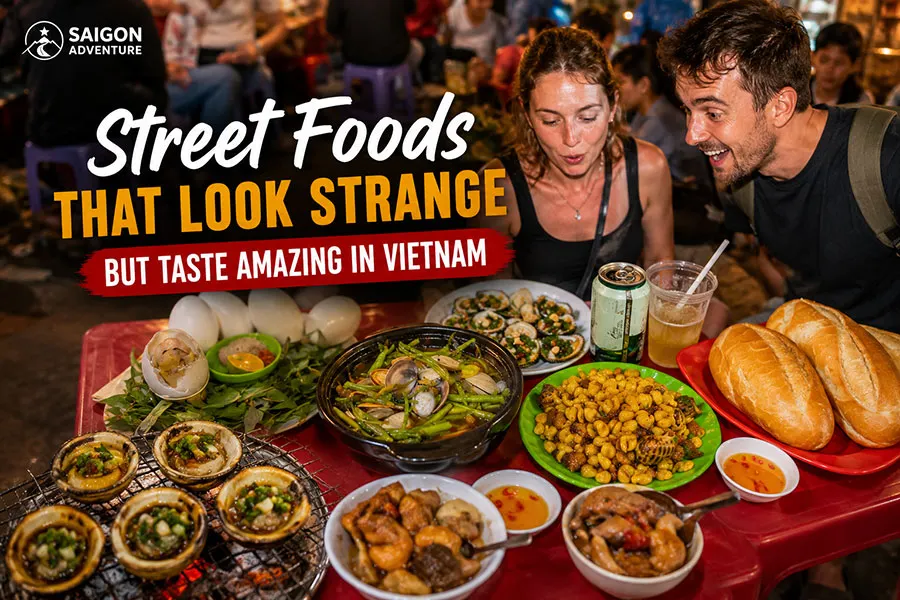
A traveler once stood in front of a busy street stall in Ho Chi Minh City, staring at a tray of snails while locals eagerly pointed at different shells as if ordering ice cream flavors. A few minutes later, another vendor cracked open a duck egg that looked nothing like the boiled eggs found back home. The traveler smiled politely, stepped away, and settled for a familiar bowl of pho instead.
It happens every day.
Many visitors arrive in Vietnam excited to explore the country’s famous food scene, yet hesitate when they encounter dishes that don’t match what they expect. Some meals are served with ingredients still recognizable in their natural form. Others come with bold aromas, unusual textures, or dipping sauces unlike anything they’ve tasted before.
Interestingly, these are often the foods local people miss most when they travel abroad.
The appearance of a dish rarely tells the whole story. What may seem intimidating at first often reveals incredible layers of flavor, craftsmanship, and tradition after the first bite. Some recipes have been passed down for generations, while others became popular because they transformed humble ingredients into unforgettable comfort food.
If you’re willing to look beyond first impressions, Vietnam rewards curious eaters with experiences that can’t be recreated inside an ordinary restaurant.
Why Do Some Vietnamese Street Foods Look So Different?
One reason is simple: Vietnamese cooking celebrates freshness instead of hiding ingredients.
In many Western cuisines, meat is trimmed, shaped, or heavily processed before reaching the plate. In Vietnam, ingredients are often presented much closer to their original form. Fish may arrive whole, herbs are served by the handful, and shellfish stays inside its shell until you’re ready to eat.
That visual honesty can surprise first-time visitors.
Another difference lies in balance. Vietnamese street food isn’t designed around a single dominant flavor. Sweet, salty, sour, bitter, spicy, and umami often appear together in one meal. The result can look chaotic, especially when dozens of herbs, sauces, and pickles cover the table.
There’s also an important cultural detail many travelers don’t notice.
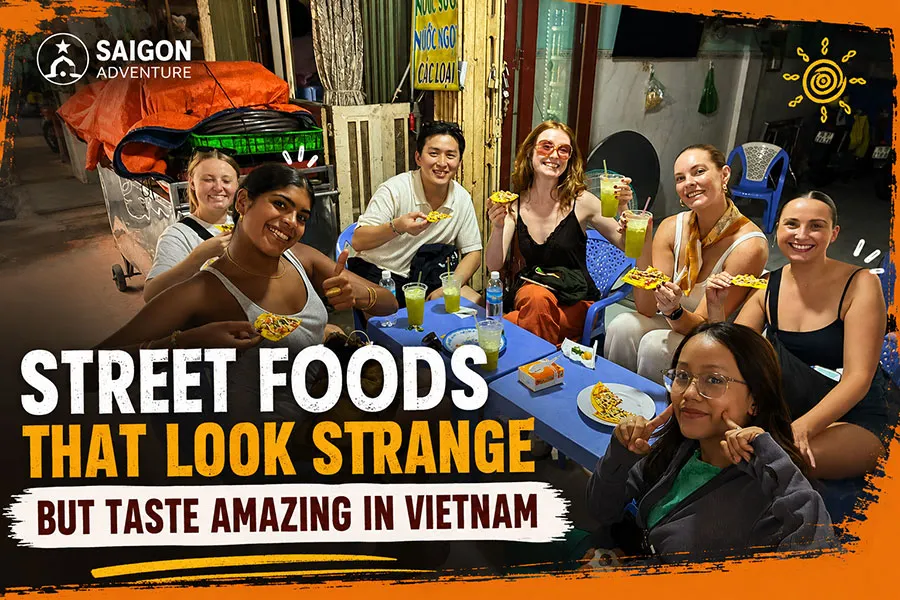
Locals rarely judge food by appearance alone. They pay attention to different signs:
- Is the broth fragrant?
- Are the herbs freshly picked?
- Is the grill constantly busy?
- Does the vendor prepare each order individually?
- Are local customers filling every small plastic stool?
These clues often matter more than stylish presentation.
A modest roadside stall with a queue of neighborhood regulars usually earns more trust than a beautifully decorated restaurant with empty tables.
The Dishes That Challenge First Impressions
1. Balut (Hột Vịt Lộn): Vietnam’s Most Misunderstood Street Snack
For many international visitors, no Vietnamese food sparks more curiosity than balut.
The idea alone makes some travelers nervous. Yet ask local office workers, university students, or taxi drivers, and many will tell you it’s one of their favorite evening snacks.
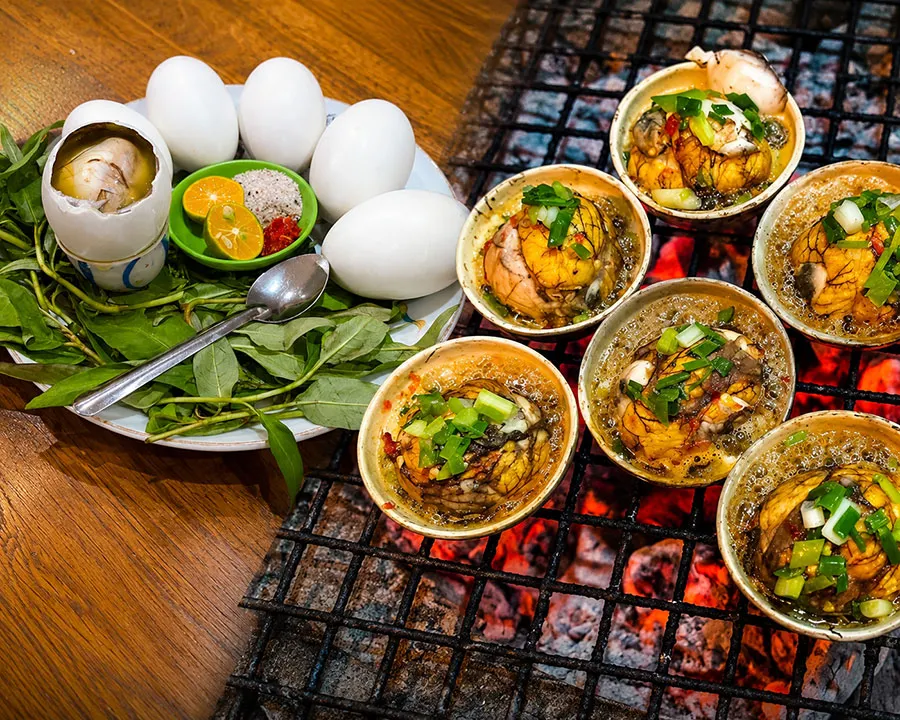
Balut is a fertilized duck egg that has been carefully incubated before being boiled. While the appearance can be intimidating, the flavor surprises many first-timers.
Instead of tasting strange, it’s rich, savory, and deeply comforting. The warm broth inside the shell carries much of the flavor, while the yolk becomes creamy and satisfying.
Locals almost never eat balut plain.
The traditional combination includes:
- Vietnamese coriander (rau răm)
- Fresh ginger slices
- Salt mixed with pepper and lime
- Sometimes chili for extra heat
A local guide often gives first-time visitors one useful piece of advice:
Take a sip of the broth first.
It helps people focus on the taste rather than what they’re imagining.
Many travelers who finally try it admit the anticipation was much scarier than the actual experience.
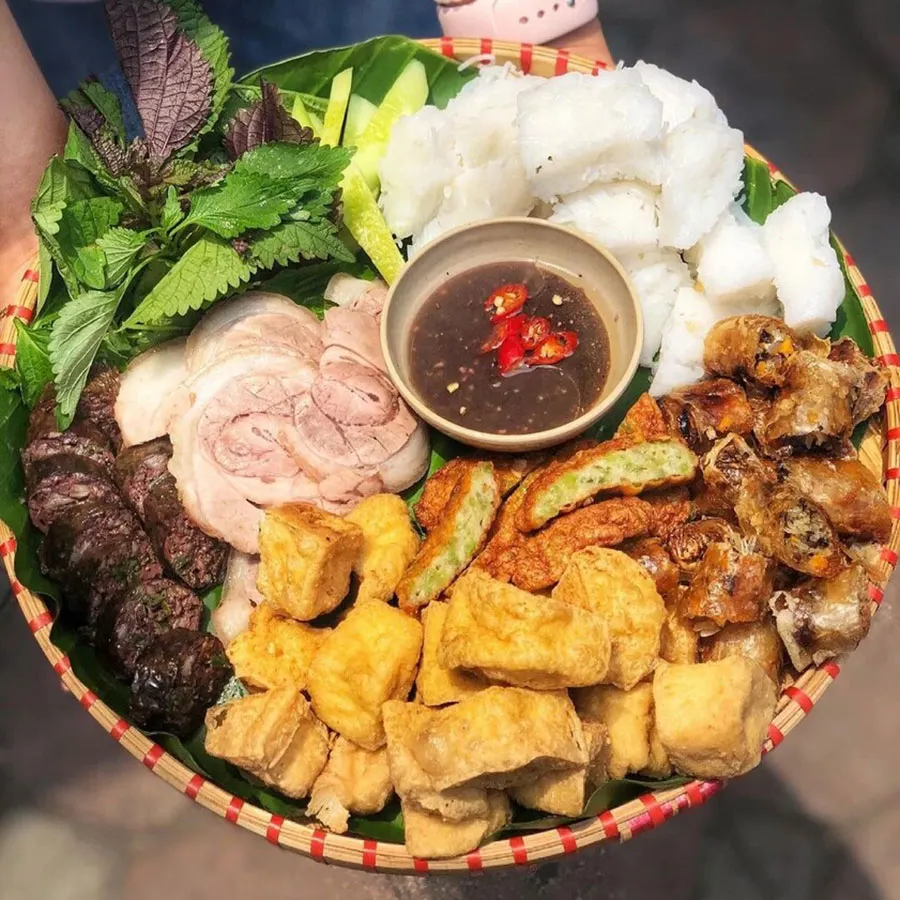
2. Bún Đậu Mắm Tôm: The Sauce That Divides Opinions
Most people assume the tofu is the challenging part.
It isn’t.
The real star—and sometimes the biggest surprise—is mắm tôm, Vietnam’s fermented shrimp paste.
Before tasting it, many visitors react to its strong aroma.
What they don’t realize is that locals almost never eat the sauce straight from the jar.
Instead, they carefully transform it.
A typical vendor mixes the shrimp paste with:
- fresh lime juice
- sugar
- chili
- hot oil
Then everything is stirred vigorously until it becomes light, creamy, and slightly foamy.
That small step changes both the texture and flavor dramatically.
Once balanced correctly, the sauce delivers a complex combination of salty, slightly sweet, tangy, and deeply savory notes that pair beautifully with crispy tofu, sliced pork, rice noodles, and fresh herbs.
Watching someone prepare the dipping sauce is almost part of the dining experience itself.
3. Snails (Ốc): A Whole World Hidden Inside Tiny Shells
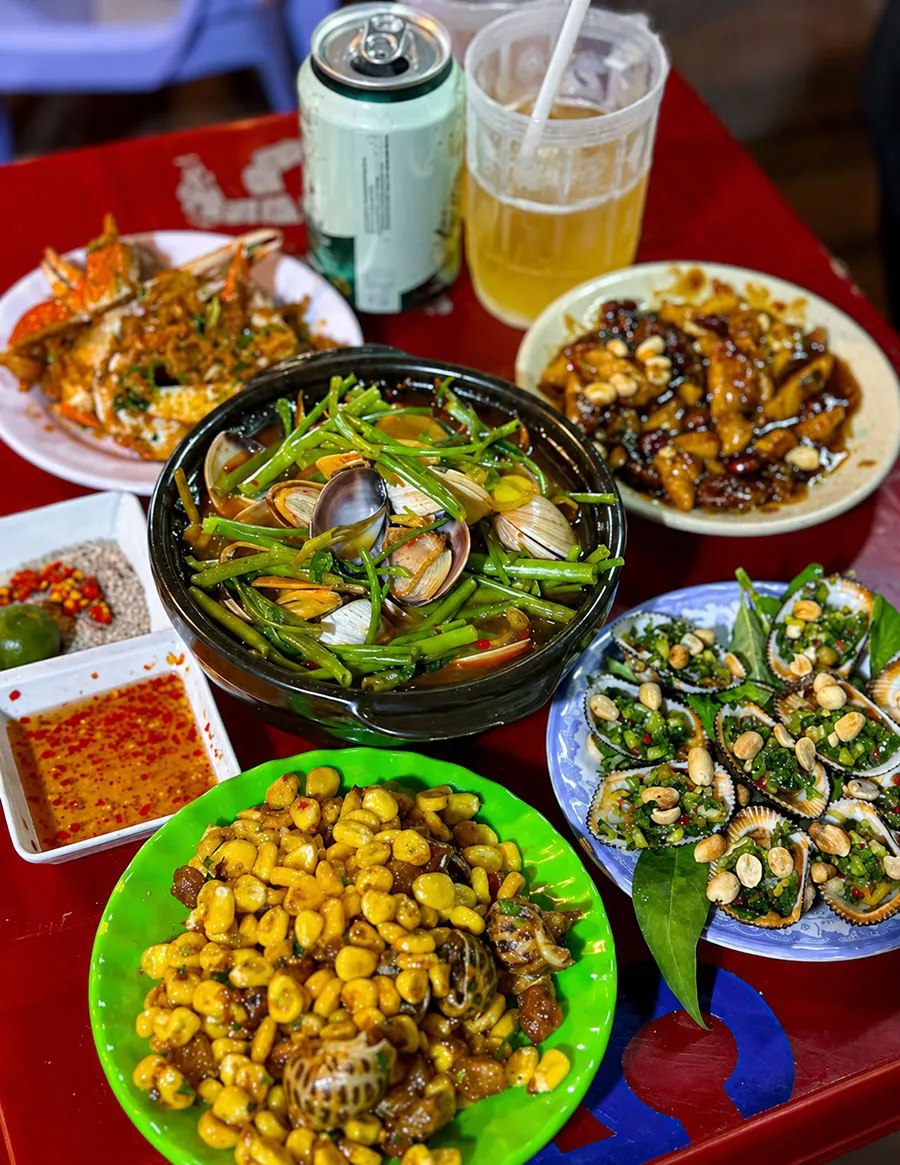
Visitors often think “snails” means one dish.
In Vietnam, it means dozens.
Walk through Ho Chi Minh City after sunset and you’ll find entire restaurants specializing in nothing but shellfish.
Each variety has its own texture and cooking style.
Some are grilled over charcoal.
Others are steamed with lemongrass.
Many are stir-fried with garlic butter, tamarind sauce, coconut milk, or green pepper.
Part of the fun comes from learning how to eat them.
Locals skillfully use tiny metal picks to remove the meat from each shell while chatting with friends for hours.
It’s not fast food.
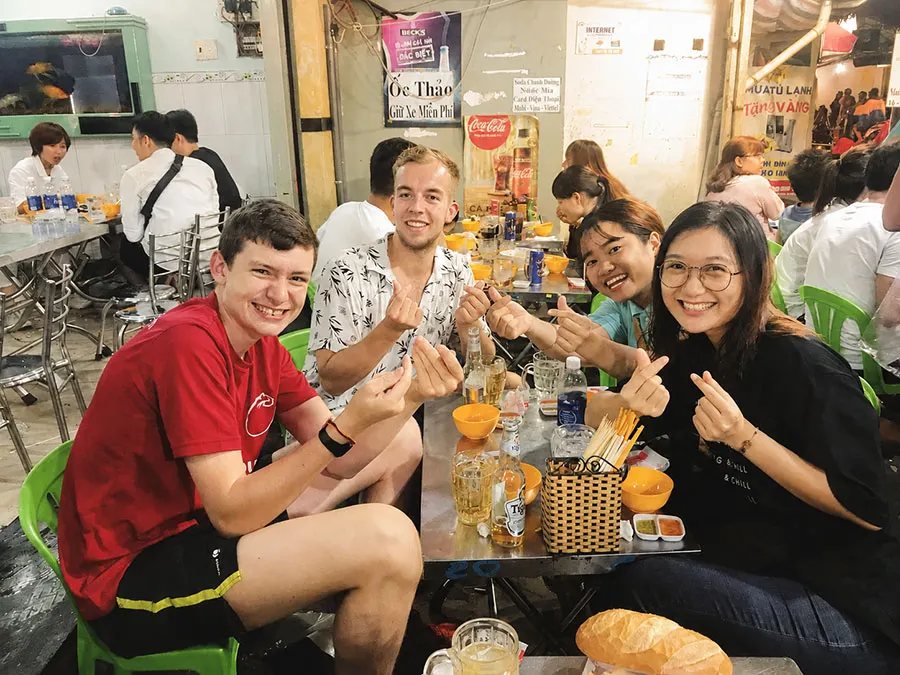
It’s social food.
One common mistake tourists make is ordering only one type.
Locals usually share several plates, comparing flavors and textures throughout the evening. The meal becomes less about filling your stomach and more about enjoying conversation together.
That’s one reason snail restaurants remain popular gathering spots long after dinner time.
4. Phá Lấu: A Dish Most Tourists Walk Past
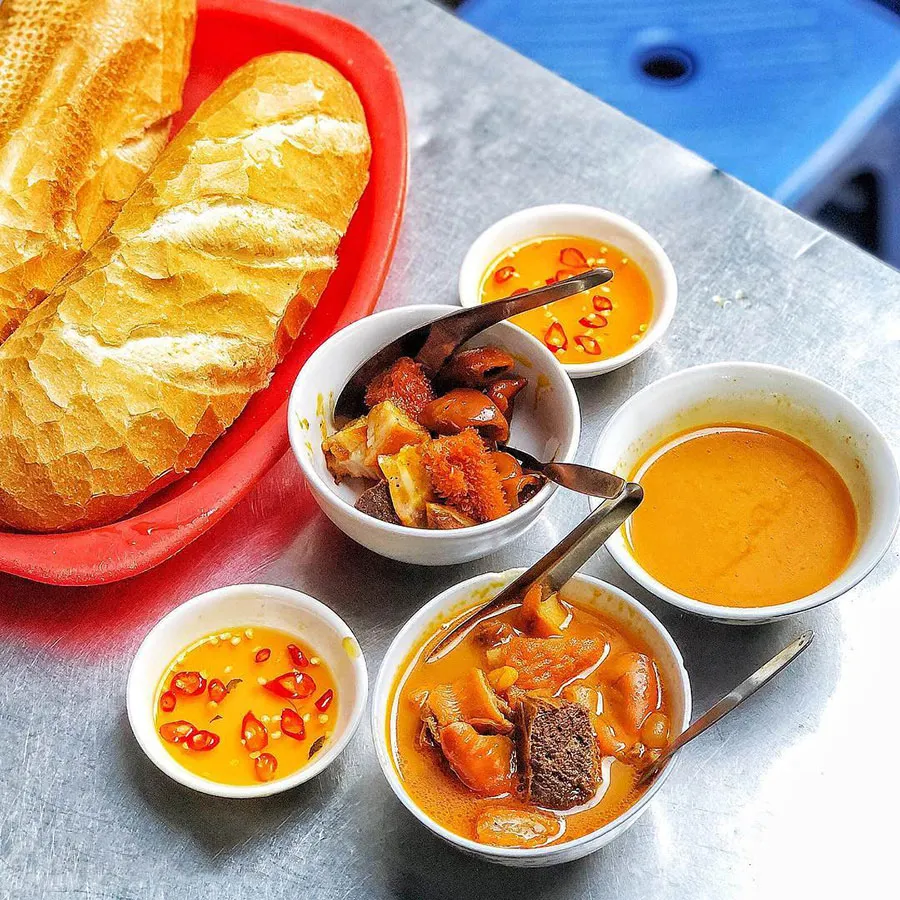
If you’ve ever noticed a pot of dark brown broth gently simmering on a sidewalk, there’s a good chance you’ve found a phá lấu vendor.
Many travelers hesitate because they recognize beef organs floating inside the broth.
Yet locals see something entirely different.
They see an afternoon favorite that has comforted generations of Saigon residents.
The organs are slowly braised with coconut milk, cinnamon, star anise, five-spice powder, and other aromatics for hours until they become tender and flavorful.
The broth itself is just as important as the meat.
Rich without feeling heavy, it’s perfect for dipping fresh bread or enjoying alongside noodles.
Some of the best phá lấu stalls don’t even have signs.
They simply open in the late afternoon, serve regular customers until everything sells out, then disappear until the next day.
That’s often one of the strongest signs you’ve found somewhere worth trying.
5. Bánh Tráng Nướng: Familiar Name, Completely Different Experience
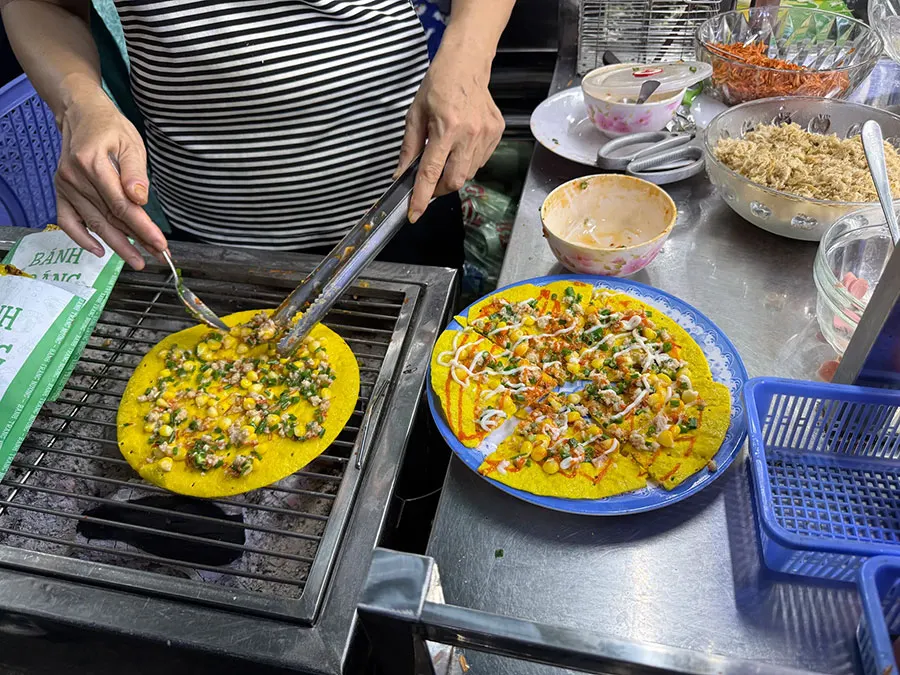
Many travel blogs introduce bánh tráng nướng as “Vietnamese pizza.” While that nickname helps visitors imagine the concept, it doesn’t really describe what locals enjoy.
The base is a thin sheet of rice paper crisped over glowing charcoal. An egg is spread across the surface before toppings such as green onions, dried shrimp, shredded chicken, sausage, chili sauce, mayonnaise, or cheese are added. The vendor folds or slices it while it’s still hot, creating a snack that’s smoky, crunchy, and surprisingly light.
The experience is just as memorable as the flavor. Street vendors work with incredible speed, rotating the rice paper over open flames while balancing multiple orders at once. Watching the cooking process often attracts as much attention as eating the finished snack.
In Da Lat, this dish is especially popular on cool evenings, while in Ho Chi Minh City you’ll often find it near schools, parks, and busy walking streets where students gather after class.
6. Grilled Chicken Feet: Better Than Most People Expect
Chicken feet rarely appear on restaurant menus in Europe or North America, so it’s understandable why many travelers hesitate.
The first surprise is that they’re not eaten for the meat.
Instead, people enjoy the chewy skin, soft tendons, and smoky flavor created by charcoal grilling. After being marinated with garlic, honey, fish sauce, lemongrass, and chili, the feet develop a beautifully caramelized exterior.
They’re commonly served with pickled vegetables, fresh cucumber, and a tangy dipping sauce that cuts through the richness.
This is classic Vietnamese drinking food—something friends order while chatting over cold drinks rather than a full meal on its own.
If you’re expecting a large portion of meat, you’ll probably be disappointed.
If you’re curious about texture and flavor, you’ll understand why locals keep ordering another plate.
Don’t Judge a Stall by Its Appearance
One of the biggest surprises for first-time visitors is discovering that some of the city’s best food comes from places they would normally walk past.
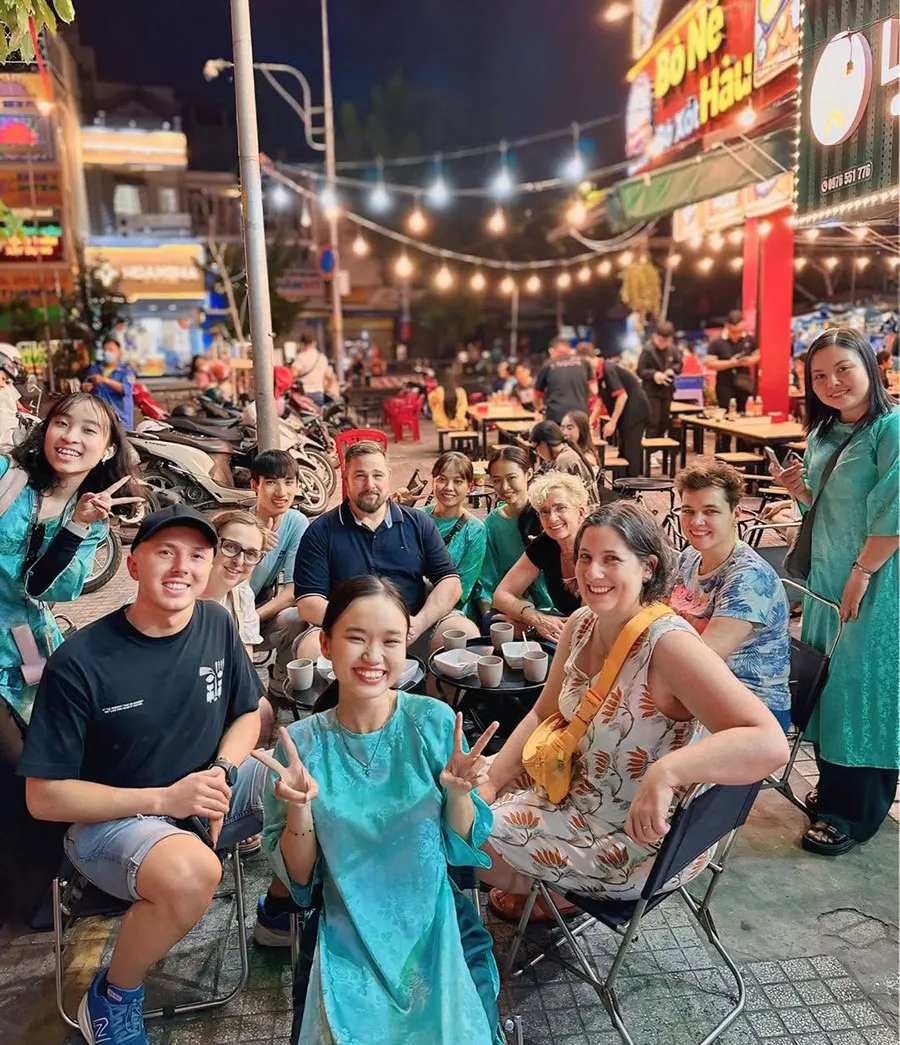
Plastic stools.
Tiny tables.
A handwritten menu.
No English.
These aren’t warning signs.
They’re often indicators that a stall has focused on cooking the same recipes for years instead of investing in fancy decoration.
Local guides usually look for details tourists don’t notice:
- A steady stream of local customers.
- Fresh herbs being delivered throughout the day.
- Ingredients prepared in small batches.
- High turnover, meaning food doesn’t sit around for hours.
- Vendors specializing in only a few dishes instead of dozens.
A stall selling one thing exceptionally well is often a better choice than a restaurant trying to offer everything.
Common Mistakes Travelers Make When Trying Unusual Street Food
Trying unfamiliar food can be exciting, but a few simple mistakes may prevent you from enjoying the experience.
Ordering Without Asking How to Eat It
Some dishes are designed to be assembled at the table.
Mixing herbs, dipping sauces, pickled vegetables, and noodles together creates the balance the cook intended. Skipping one element can completely change the flavor.
Watching how locals eat before taking your first bite is one of the easiest ways to improve the experience.
Avoiding Herbs
Visitors sometimes remove all the herbs because they look unfamiliar.
That’s a missed opportunity.
Vietnamese herbs aren’t just decoration—they’re essential ingredients that balance richness, add freshness, and enhance aroma.
Even adding a small amount can completely transform a dish.
Saying “No Sauce”
Many of Vietnam’s most iconic flavors come from carefully prepared dipping sauces.
Fish sauce, tamarind sauce, fermented shrimp paste, and chili salt each play a different role.
Instead of skipping them entirely, try a small amount first. You may discover they’re much milder and more balanced than expected.
Ordering Too Much
Street food is meant to be shared.
Rather than ordering one large meal, locals often sample several dishes throughout the evening.
This approach lets you experience more flavors while avoiding food waste.
Why Exploring With a Local Guide Makes a Difference
Finding great street food isn’t simply about reading online reviews.
Many outstanding vendors don’t have websites, social media accounts, or even permanent signs. Some open for only a few hours each evening before selling out.
A knowledgeable local guide helps you discover places that visitors rarely find on their own.
More importantly, they explain the stories behind each dish.
Why is this sauce mixed a certain way?
Why are particular herbs served together?
Why do locals eat this snack late at night instead of at lunchtime?
These cultural details turn a meal into something much more memorable than simply checking another item off a travel list.
You’ll also gain confidence trying foods you might otherwise avoid because someone familiar with the cuisine is there to explain what you’re eating and how it’s traditionally enjoyed.
The Best Street Food Memories Usually Start With Curiosity
Ask experienced travelers about their favorite meal in Vietnam, and many won’t mention the most famous restaurant in town.
Instead, they’ll remember the tiny corner stall where a grandmother served one perfect dish.
The vendor who recognized regular customers by name.
The snail restaurant filled with laughter.
The unexpected snack they almost didn’t order.
Street food isn’t about finding the most unusual ingredient.
It’s about discovering everyday dishes that locals genuinely love.
Some may look unfamiliar at first glance, but appearance rarely predicts flavor. A little curiosity—and a willingness to trust local recommendations—often leads to the most rewarding meals of an entire trip.
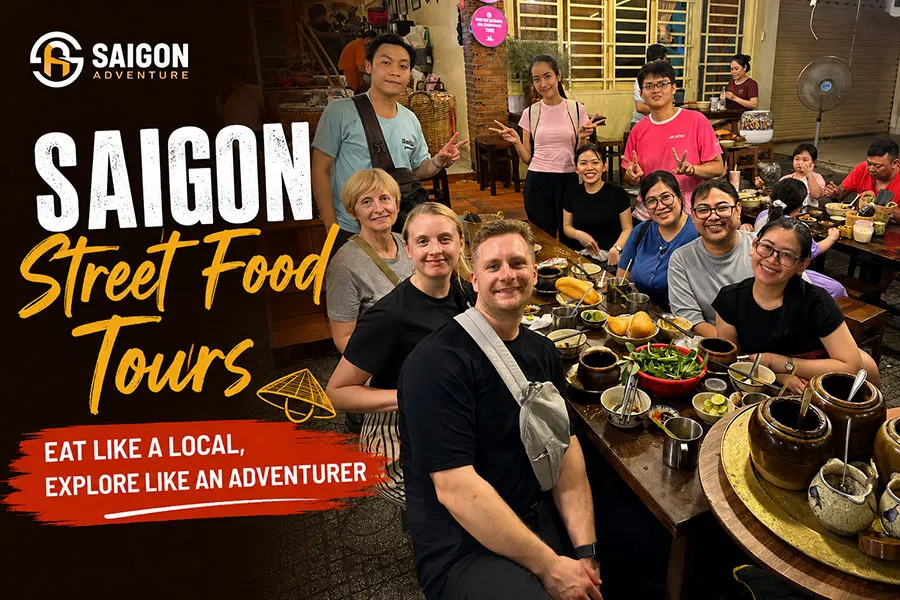
If you’re hoping to experience authentic Vietnamese street food beyond the usual tourist routes, joining a local guide can make all the difference. Saigon Adventure’s Motorbike Food Tour takes you through neighborhoods where residents actually eat, introducing family-run vendors, hidden alley stalls, and regional specialties while sharing the stories that bring every dish to life. It’s an easy, enjoyable way to taste Vietnam with confidence and leave with memories that go far beyond what’s on the plate.
Frequently Asked Questions
Is Vietnamese street food safe for tourists?
Yes. Choose busy stalls with a high turnover of customers, food cooked to order, and fresh ingredients. Joining a guided food tour is also a great way to visit trusted local vendors.
What is the strangest street food in Vietnam?
Many international visitors consider balut (hột vịt lộn) the most unusual, but dishes like bún đậu mắm tôm, phá lấu, and grilled chicken feet can be just as surprising to first-time travelers.
Do I have to eat fermented shrimp paste?
Not at all. Many dishes can be adjusted to suit your preferences, but trying a small amount may change your opinion—it tastes far more balanced than its aroma suggests.
Can vegetarians enjoy Vietnamese street food?
Yes. Vietnam offers a wide variety of vegetarian street foods, including tofu dishes, fresh spring rolls, sticky rice, sweet soups (chè), tropical fruits, and meat-free versions of many local specialties.
What’s the best way to experience unusual Vietnamese street food?
Explore with someone who understands local food culture. A knowledgeable guide can explain ingredients, recommend the best way to eat each dish, and introduce hidden vendors that most tourists would never discover.
Explore our best-selling tours
 Bestseller
Street Food Tour In Ho Chi Minh City By Motorbike
Saigon Street Food Tours: An Authentic Culinary Odyssey To experience Ho Chi Minh City, you need to do two things:...
 Bestseller
Saigon: Premium Award-Winning Food Tour with Ao Dai Female Riders
A Michelin food tour by scooter in Vietnam elevates the standard street food experience by combining world-class culinary recognition with...
 Bestseller
Saigon Foodie Tour By Scooter With Female Rider (With Beer & Seafood)
Beautiful female tour guides at Saigon Adventure ABOUT THIS TOUR Let us be your guide to experiencing Saigon By Night...
 Bestseller
Vegan Food Tour
Keep your travel plan flexible - book your spot now and pay nothing today! You only need to pay 4...
 Bestseller
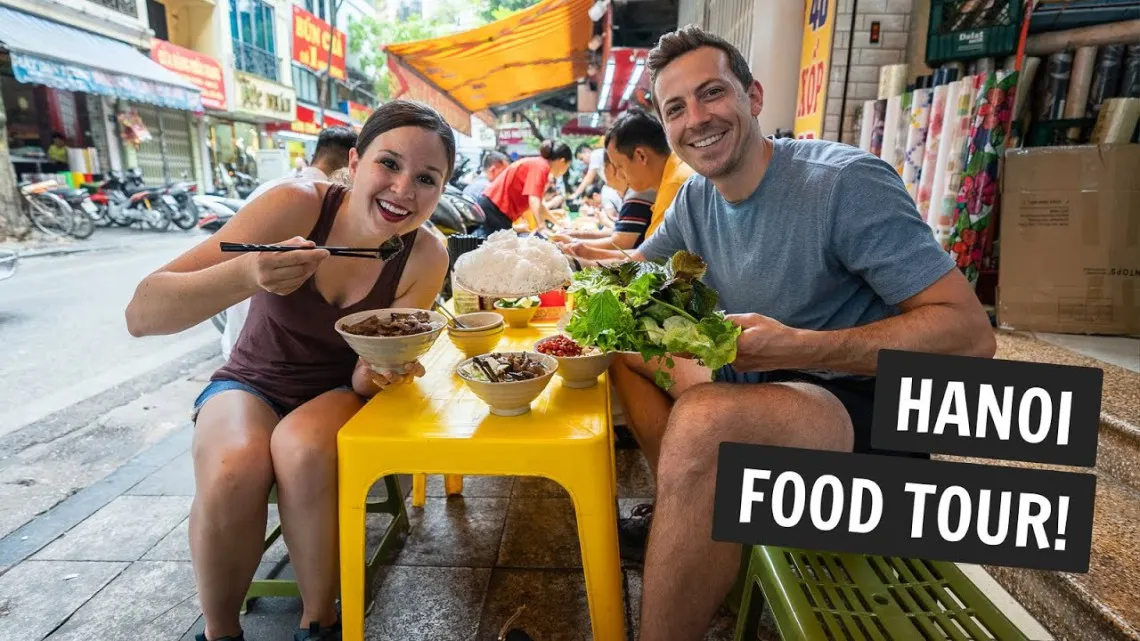
Hanoi Local Food Tour with Train Street and Old Quarter
Discover the flavors and everyday life of Vietnam’s capital on a 3-hour Hanoi local food tour through the historic Old...
 Bestseller
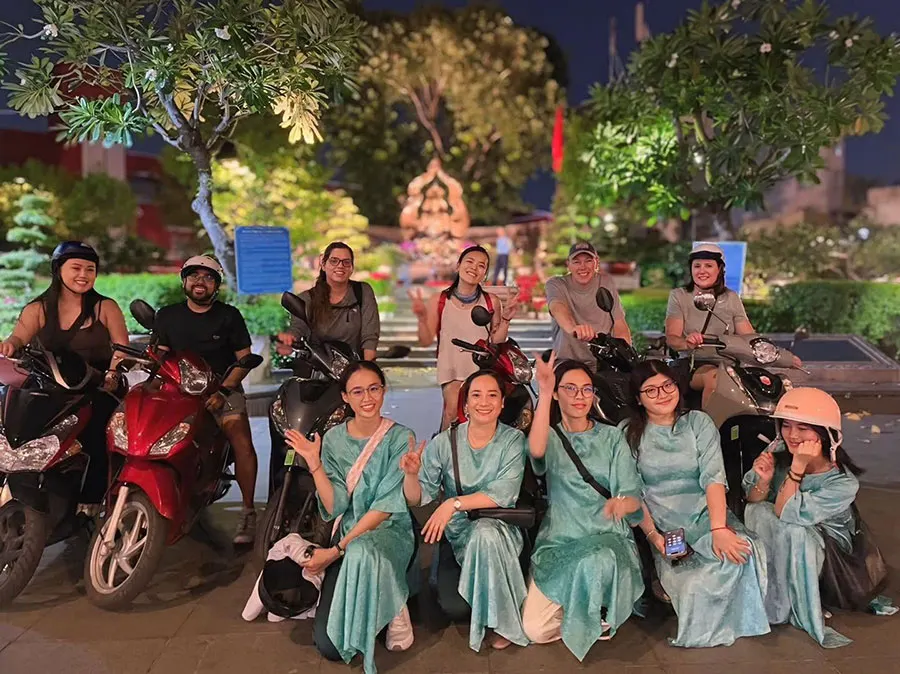
Premium Saigon Hidden Alleys & History: Private Motorbike Tour
Ho Chi Minh Hidden Alleys & History: Private Motorbike Tour Ready to step off the beaten path and discover the...
 Bestseller
Ho Chi Minh City Michelin Food and Live Music Scooter Tour
Welcome to our premier michelin food tour in Ho Chi Minh City! Secure your experience today with Total Flexibility Reserve...
 Bestseller
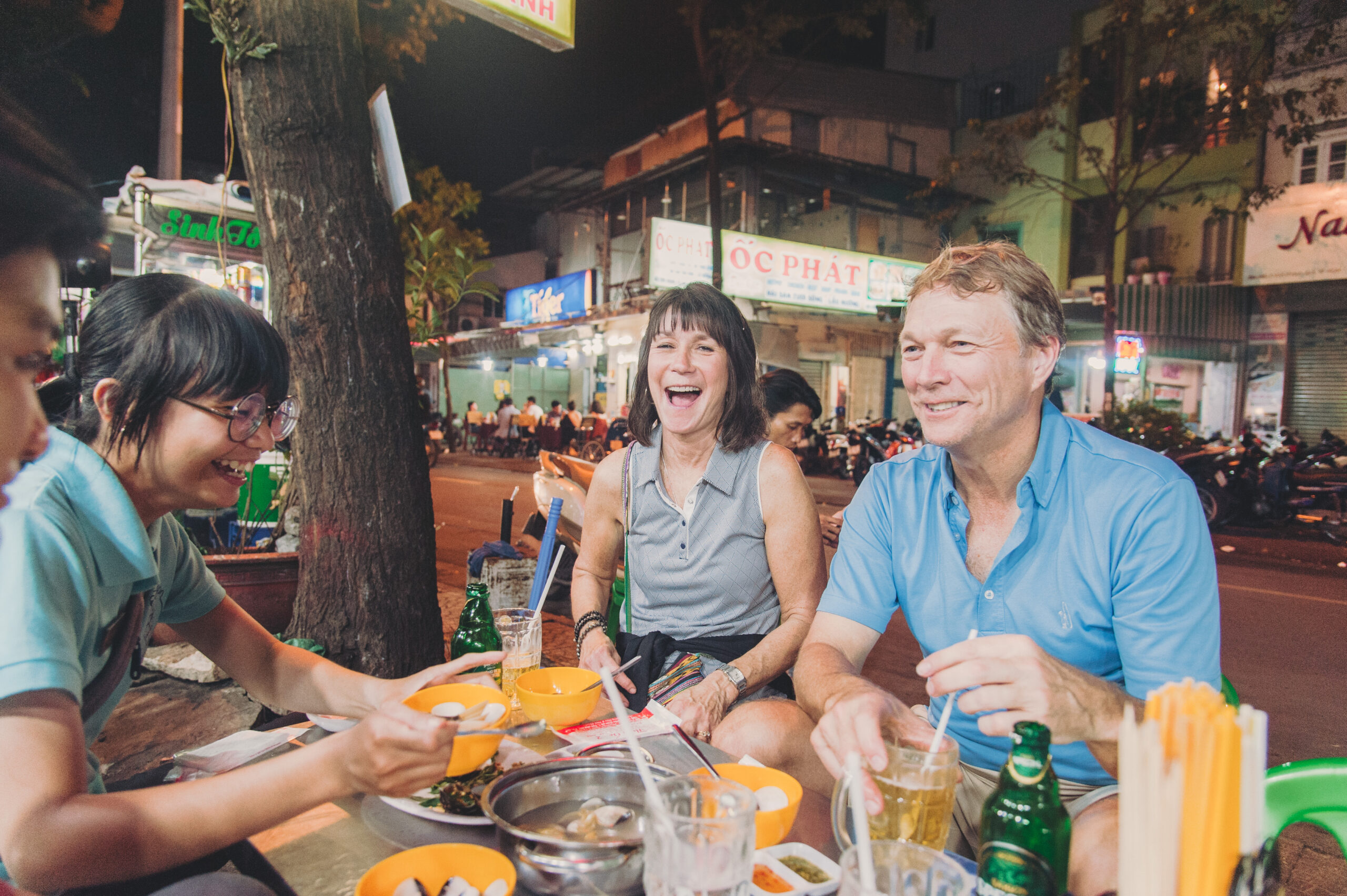
Ho Chi Minh Food Safari With 20 Tastings
Our Ho Chi Minh Food Safari tour is operated by Saigon Adventure- Top #1 Food Tour on Trip Advisor with...
 Bestseller
Saigon By Night (Motorbike Tour) With Rooftop Bar – Live Music And Seafood
Keep your travel plan flexible - book your spot now and pay nothing today! You only need to pay...
 Bestseller
Saigon | Combo Street Food And Sightseeing Tour By Scooter
Food and Sight Motorbike (Special Combo) Experience the ultimate Saigon adventure! Over 4 thrilling hours, hop on the back of...
 Bestseller
Beers, Music & Foods
TOUR DETAILS Saigon After Dark: The Ultimate Scooter, Food & Live Music Odyssey Experience the electric energy of Ho Chi...
 Bestseller
Hanoi Michelin Street Food Tour With a Local Guide
Explore the Old Quarter through its most memorable flavors on our Hanoi Michelin Street Food Tour. Led by a knowledgeable...
 Bestseller
Saigon After Dark Night Tour With Rooftop Bar And Live Music
Enjoy the best Saigon After Dark experience while keeping your travel plan flexible - book your spot now and pay...

Saigon Relax (Private Vip Tour By Car or Scooter)
PRIVATE VIP TOUR Our Saigon Relax Tour is available by private VIP car or scooter. This tour lasts for 4,5...