
Vietnam stretches over 1,600 kilometers from south to north, yet many first-time visitors try to squeeze everything into a rushed week. The result is often a holiday spent in airports instead of markets, cafés, and neighborhoods where everyday Vietnamese life unfolds.
A better approach is surprisingly simple: choose three destinations that complement one another. Ho Chi Minh City introduces modern Vietnam with its energetic streets and remarkable food culture. Hoi An slows the pace with centuries-old architecture and riverside evenings. Hanoi adds history, lakeside cafés, and a glimpse into northern traditions.
This itinerary isn’t designed to help you “see everything.” Instead, it helps you experience enough of Vietnam to understand why travelers return again and again.

Why This South-to-North Route Works Better Than the Reverse
Many international flights arrive in Ho Chi Minh City and depart from Hanoi, making this route practical while avoiding unnecessary backtracking.
Even more importantly, the rhythm feels natural.
Ho Chi Minh City is exciting, loud, and energetic. It encourages exploration by scooter, hidden alleyways, and late-night food markets. After several busy days, Hoi An provides a welcome change of pace where cycling replaces traffic and afternoons are meant for riverside cafés rather than sightseeing marathons.
Ending in Hanoi gives travelers a deeper historical perspective before continuing toward destinations like Ha Long Bay, Ninh Binh, or Sapa if time allows.
Local guides often notice that visitors who travel south to north adjust more comfortably to Vietnam’s changing climate, regional cuisine, and cultural differences.
Days 1–3: Ho Chi Minh City Beyond the Famous Landmarks
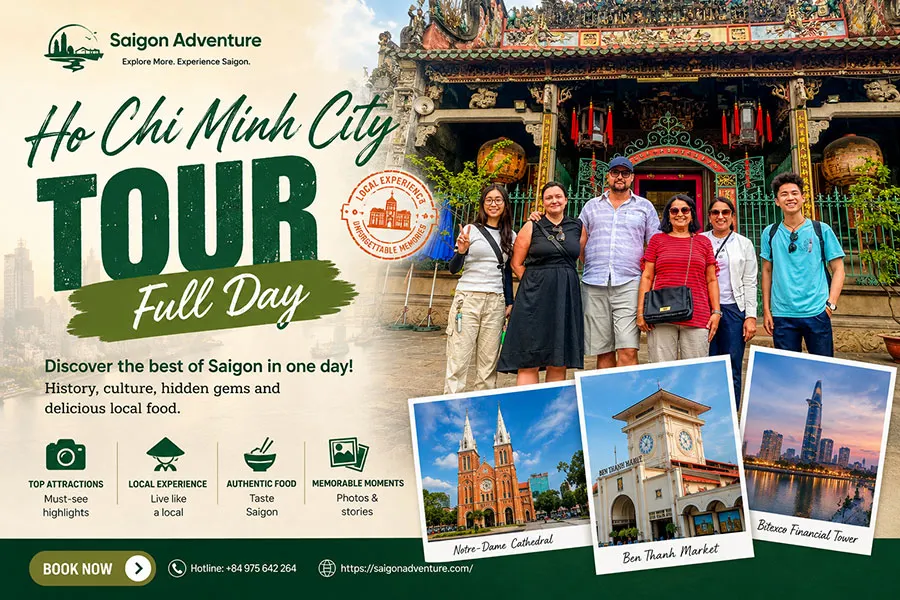
Many visitors spend only one day in Ho Chi Minh City before rushing elsewhere. That usually means seeing Notre-Dame Cathedral, the Central Post Office, and Ben Thanh Market without ever discovering why locals genuinely love living here.
Instead, dedicate at least three days.
The first day can focus on iconic attractions, but don’t stop there. Wander through apartment cafés hidden above old commercial buildings, explore neighborhood wet markets, or sit at a tiny coffee stand where office workers gather every morning.
Travelers who want to explore more districts in less time often choose a Ho Chi Minh City Motorbike Tour, where local guides share hidden neighborhoods, cultural landmarks, and everyday local life beyond the typical tourist route.
The second day is ideal for understanding Vietnam’s modern history through the Cu Chi Tunnels or learning how the city developed after reunification.
If you’re planning to visit this historic site, a Cu Chi Tunnels Tour offers valuable historical context while taking care of transportation and logistics.
Your third day should belong almost entirely to food.
Rather than searching for restaurants with thousands of online reviews, explore residential districts where generations of the same family still prepare recipes passed down over decades. One street may specialize in grilled pork, while another becomes famous for noodle soups served only during breakfast hours.
This neighborhood-based food culture is something many guidebooks barely mention, yet it defines everyday life in Ho Chi Minh City.
Local insight
Many excellent street food vendors close by early afternoon because they sell out—not because business slows down. If a guide recommends breakfast at 7:30 AM, there’s usually a delicious reason behind it.
A Short Flight Brings You to an Entirely Different Vietnam
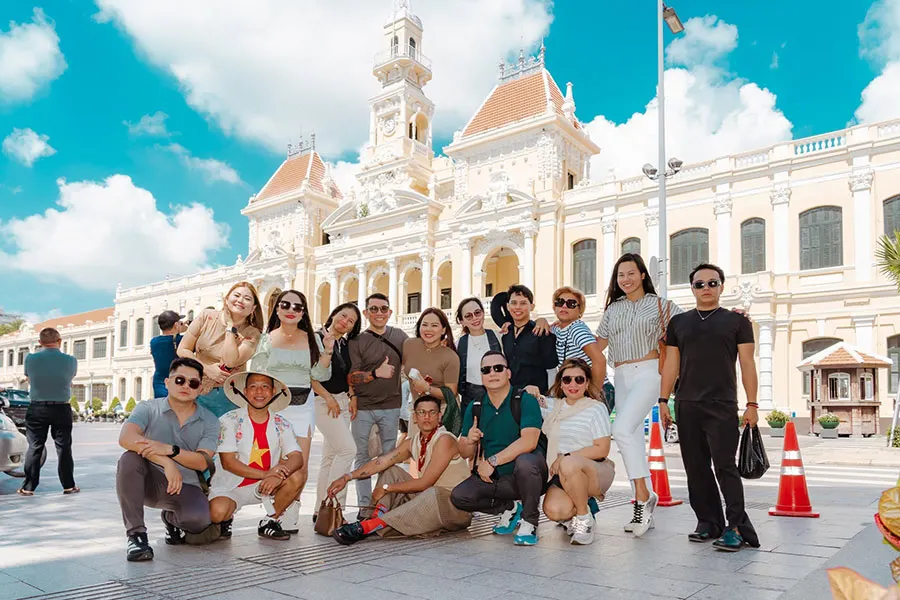
Domestic flights between Ho Chi Minh City and Da Nang take roughly 90 minutes, making the transition surprisingly easy.
From Da Nang Airport, Hoi An is about 45 minutes away.
The scenery changes dramatically. Wide boulevards give way to rice fields, fishing villages, and quieter streets where bicycles often outnumber cars.
Instead of trying to fill every hour with activities, embrace the slower rhythm.
Hoi An rewards travelers who leave room for spontaneous discoveries.

Days 4–6: Experience Hoi An Like a Local Instead of a Photographer
The Ancient Town deserves its reputation, but visiting only during peak afternoon hours can feel crowded.
Local residents often recommend exploring before 8 AM.
At sunrise, market vendors arrange fresh herbs beside the river, boats quietly deliver supplies, and yellow colonial buildings glow softly without the crowds that arrive later.
This simple timing adjustment completely changes the experience.
Beyond the UNESCO-listed center, spend time cycling through Cam Thanh Coconut Village or rural farming communities. These areas reveal how daily life continues beyond tourism.
Food is another reason to slow down.
Hoi An’s signature dishes—including Cao Lau and White Rose Dumplings—are difficult to recreate elsewhere because several traditional ingredients historically came from local sources.
Rather than choosing restaurants based solely on social media popularity, ask local guides which family-owned kitchens they’ve personally visited over the years.
These conversations often lead to memorable meals hidden down small lanes that visitors would otherwise overlook.

Days 7–10: Discover Hanoi Through Its Daily Rhythm
Hanoi rewards patience.
Unlike Ho Chi Minh City, where energy is immediate, Hanoi reveals itself gradually through routines repeated every day.
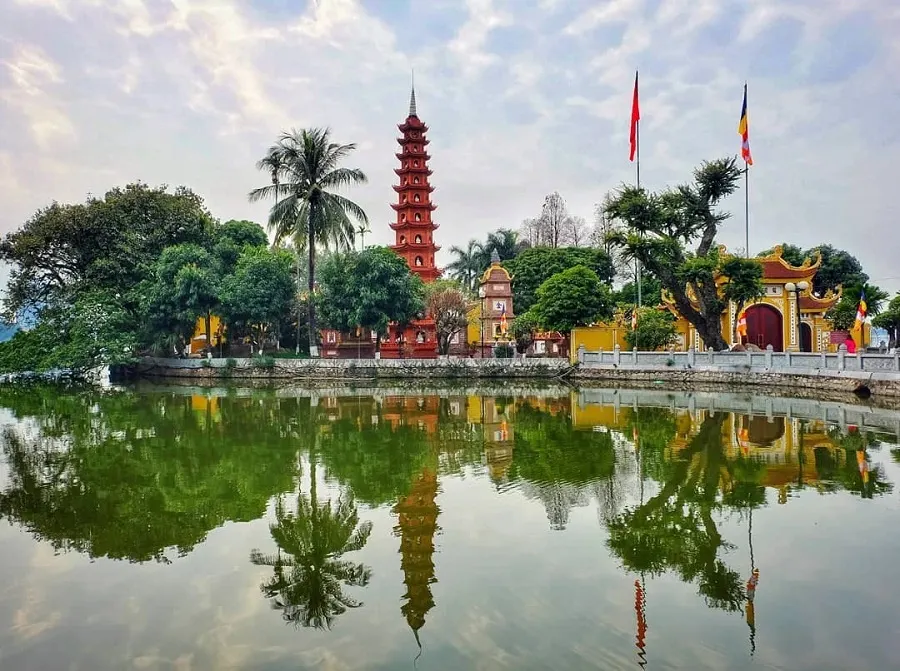
Wake early enough and you’ll see elderly residents practicing tai chi beside Hoan Kiem Lake while nearby cafés prepare strong Vietnamese egg coffee.
Later, narrow streets become workshops where artisans continue trades established generations ago.
Many travelers rush through the Old Quarter searching for famous landmarks. Local guides often encourage something different:
Choose one street.
Stay there for thirty minutes.
Observe.
You’ll notice shopkeepers chatting over tea, scooters delivering flowers, schoolchildren buying snacks, and mechanics repairing motorcycles beside tiny family restaurants.
These ordinary moments often become the memories visitors remember most.
If your schedule allows, use Hanoi as a base for day trips before departing Vietnam.
Common Planning Mistakes That Affect the Entire Trip
Even experienced travelers occasionally underestimate Vietnam.
Some of the most common mistakes include:
- Trying to visit five or six destinations within ten days.
- Booking domestic flights too close to international arrivals.
- Visiting markets during midday instead of early morning.
- Ignoring regional weather differences between north and south.
- Packing heavy suitcases despite frequent hotel changes.
Another overlooked detail involves transportation.
Many visitors assume trains always provide the most authentic experience. While overnight trains can be memorable, short domestic flights often save valuable sightseeing time, especially for first-time visitors with limited vacation days.
How Many Days Do You Actually Need?
Here’s a realistic guide.
| Trip Length | Recommendation |
|---|---|
| 7 Days | Ho Chi Minh City (3), Hoi An (2), Hanoi (2) |
| 10 Days | Ho Chi Minh City (3), Hoi An (3), Hanoi (4) |
| 14 Days | Add Mekong Delta, Ha Long Bay, or Ninh Binh |
Adding too many destinations rarely improves the experience.
Travelers who spend longer in fewer places consistently report feeling more connected to local culture.
Small Local Habits That Make a Big Difference
Some practical advice rarely appears in standard itineraries.
Carry small cash for markets and local cafés.
Download Grab before arriving.
Don’t expect dinner at 9:30 PM in smaller cities, as many family-run restaurants close surprisingly early.
If crossing busy streets feels intimidating, maintain a steady walking pace rather than stopping suddenly. Traffic usually flows around pedestrians more predictably than newcomers expect.
When ordering Vietnamese coffee, remember that iced coffee often contains sweetened condensed milk unless you request otherwise.
These tiny details may seem insignificant, but together they make traveling through Vietnam noticeably smoother.
Should You Explore Independently or Join Local Tours?
Vietnam is easy to explore independently, but some experiences become far richer with local insight.
Food tours explain why certain dishes belong to specific neighborhoods rather than simply introducing famous meals.
Historical tours provide context that transforms landmarks into meaningful stories.
Motorbike tours also help visitors reach residential districts that many tourists never discover on foot.
Rather than replacing independent exploration, local guides often provide ideas that travelers continue exploring afterward.
That combination usually creates the most rewarding itinerary.
Start Your Vietnam Journey with Local Experts
The best Vietnam itinerary isn’t the one that checks off the greatest number of destinations.
It’s the one that leaves enough space to linger over morning coffee, chat with market vendors, wander unfamiliar streets without a strict schedule, and discover neighborhoods that rarely appear on social media.
Ho Chi Minh City, Hoi An, and Hanoi each tell a different chapter of Vietnam’s story. Together, they create a journey that balances history, cuisine, culture, and everyday local life without feeling rushed.
If you’d like to experience Vietnam beyond the typical tourist route, Saigon Adventure offers locally guided food tours, motorbike experiences, walking tours, and cultural adventures led by passionate local guides. They’re an excellent way to uncover authentic neighborhoods, family-run eateries, and hidden stories that are easy to miss when traveling independently.
Is 10 days enough for the best Vietnam itinerary including Ho Chi Minh City?
Yes. For most first-time visitors, 10 days offers the best balance between sightseeing and experiencing local life. You’ll have enough time to enjoy each destination without feeling like you’re constantly packing and catching flights.
A well-paced itinerary could look like this:
- Ho Chi Minh City: 3 days
- Hoi An: 3 days
- Hanoi: 4 days
If you have extra time, add one destination—such as the Mekong Delta or Ninh Binh—rather than trying to fit in several places.
Should I travel from south to north or north to south?
Both routes work, but many experienced travelers recommend starting in Ho Chi Minh City and finishing in Hanoi.
There are several practical reasons:
- Many international flights arrive in Ho Chi Minh City and depart from Hanoi.
- The journey naturally progresses from the modern south to the more traditional north.
- Hanoi provides easy access to popular extensions like Ha Long Bay, Ninh Binh, and Sapa.
Starting in the south also allows travelers to gradually adapt to Vietnam’s climate, traffic, and food culture before reaching the country’s northern regions.
Is it better to fly or take the train?
For trips lasting one or two weeks, domestic flights are usually the most efficient option.
Flying between Ho Chi Minh City and Da Nang takes around 90 minutes, while flights between Da Nang and Hanoi are similarly short.
The overnight train is a memorable experience for travelers with flexible schedules, but it requires significantly more travel time. If your vacation days are limited, flying lets you spend more time exploring and less time in transit.
Which city has the best food?
There isn’t a single correct answer because each region has its own culinary identity.
Ho Chi Minh City is known for incredible street food diversity, influenced by people from every region of Vietnam.
Hoi An is famous for local specialties such as Cao Lau, White Rose Dumplings, and Chicken Rice that are difficult to replicate elsewhere.
Hanoi offers classic northern dishes including Pho, Bun Cha, and Egg Coffee, often served in family-run restaurants that have operated for generations.
The best approach isn’t comparing cities—it’s enjoying the unique flavors each destination has developed over centuries.

What is the best time of year for this itinerary?
Vietnam has different weather patterns across its regions, so there isn’t one perfect season.
Generally speaking:
- March to April offers pleasant temperatures across much of the country.
- October to early December is another popular period with comfortable conditions in many areas.
- May to September brings warmer weather and occasional tropical showers, particularly in the south.
- December to February can be surprisingly cool in Hanoi, especially during the early morning and evening.
Instead of trying to avoid every rainy day, pack a lightweight rain jacket and remain flexible. In Vietnam, short tropical showers often pass quickly, and some of the most beautiful scenery appears immediately afterward.